Last updated November 23, 2026
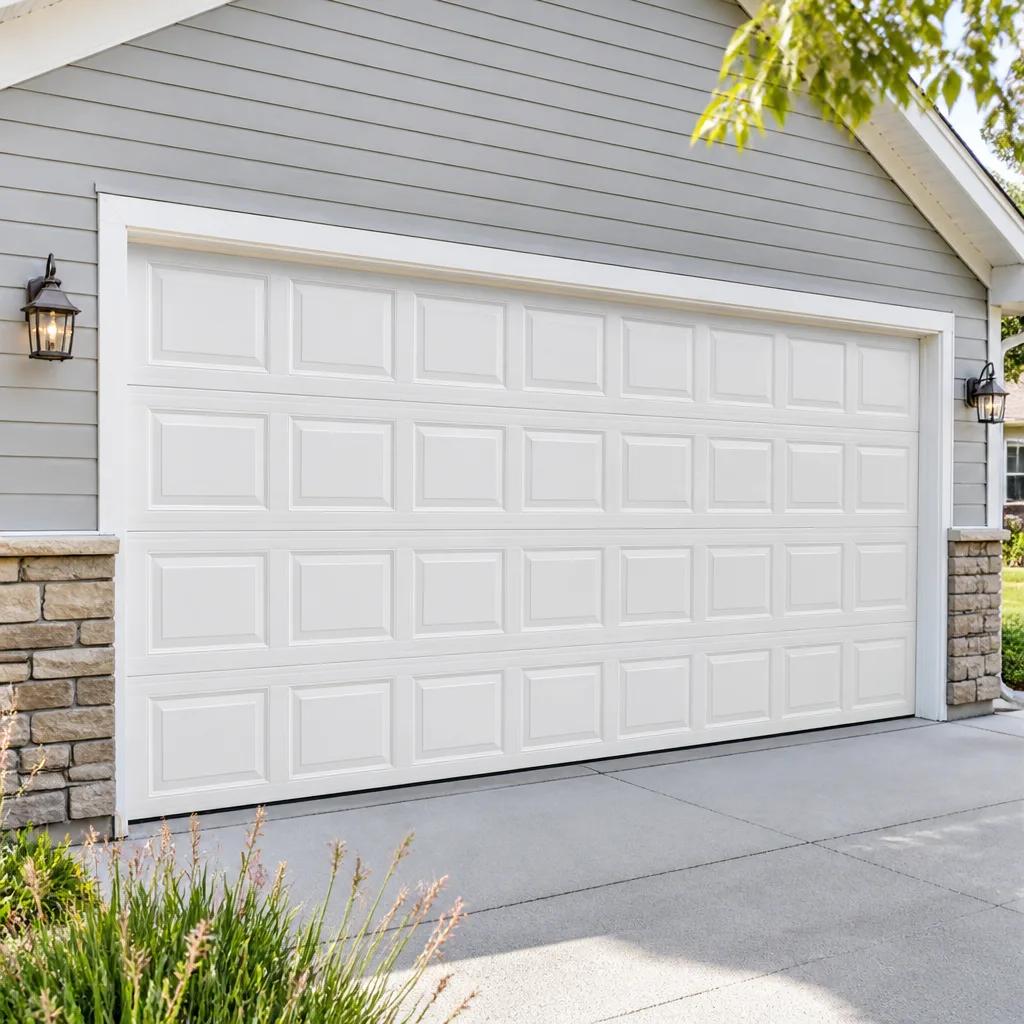 Raised-panel steel
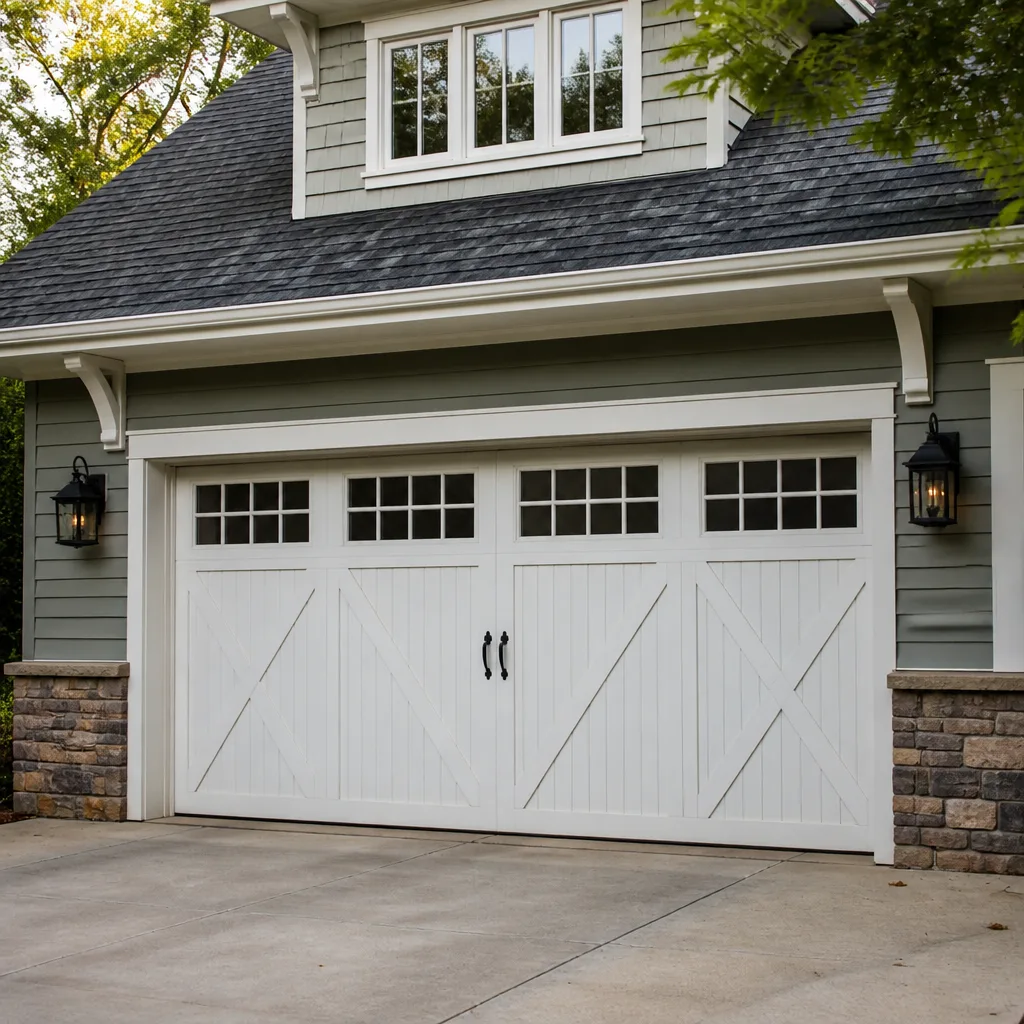 Carriage house
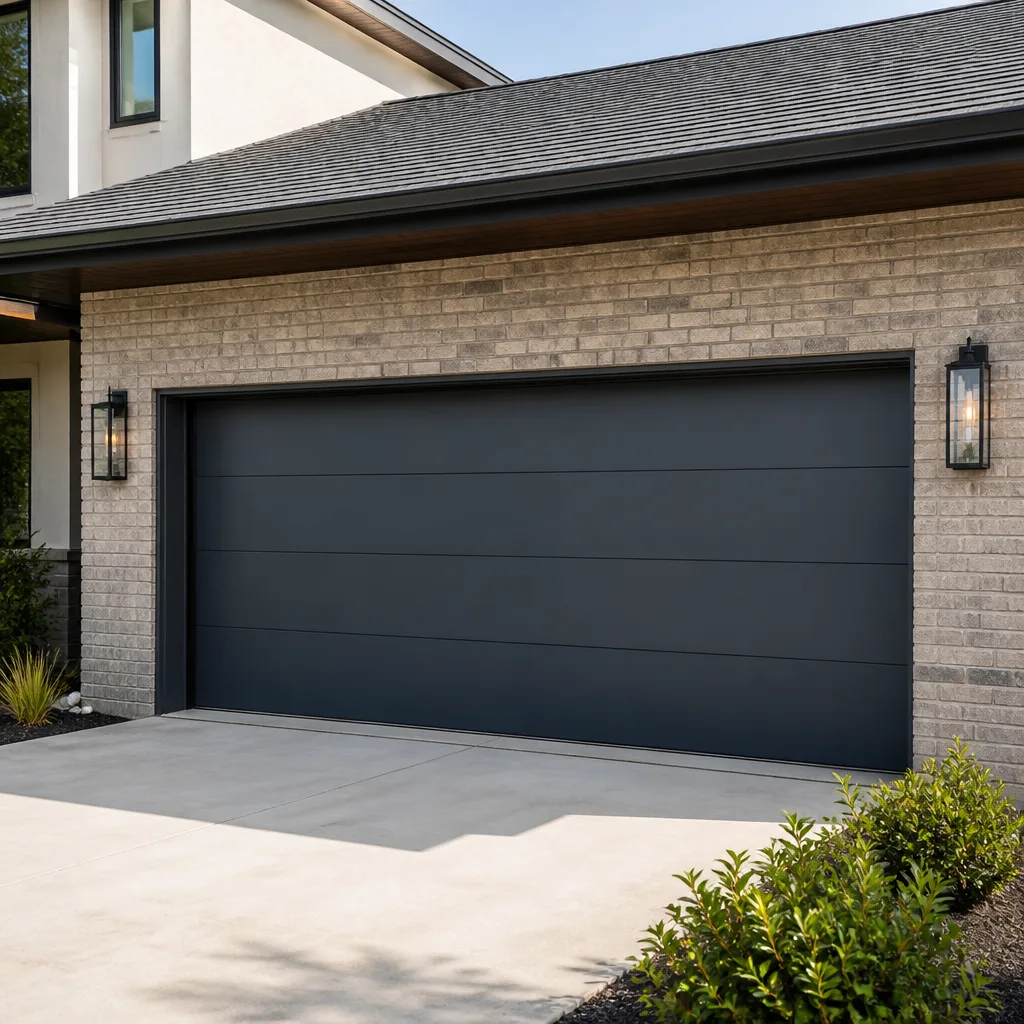 Modern flush
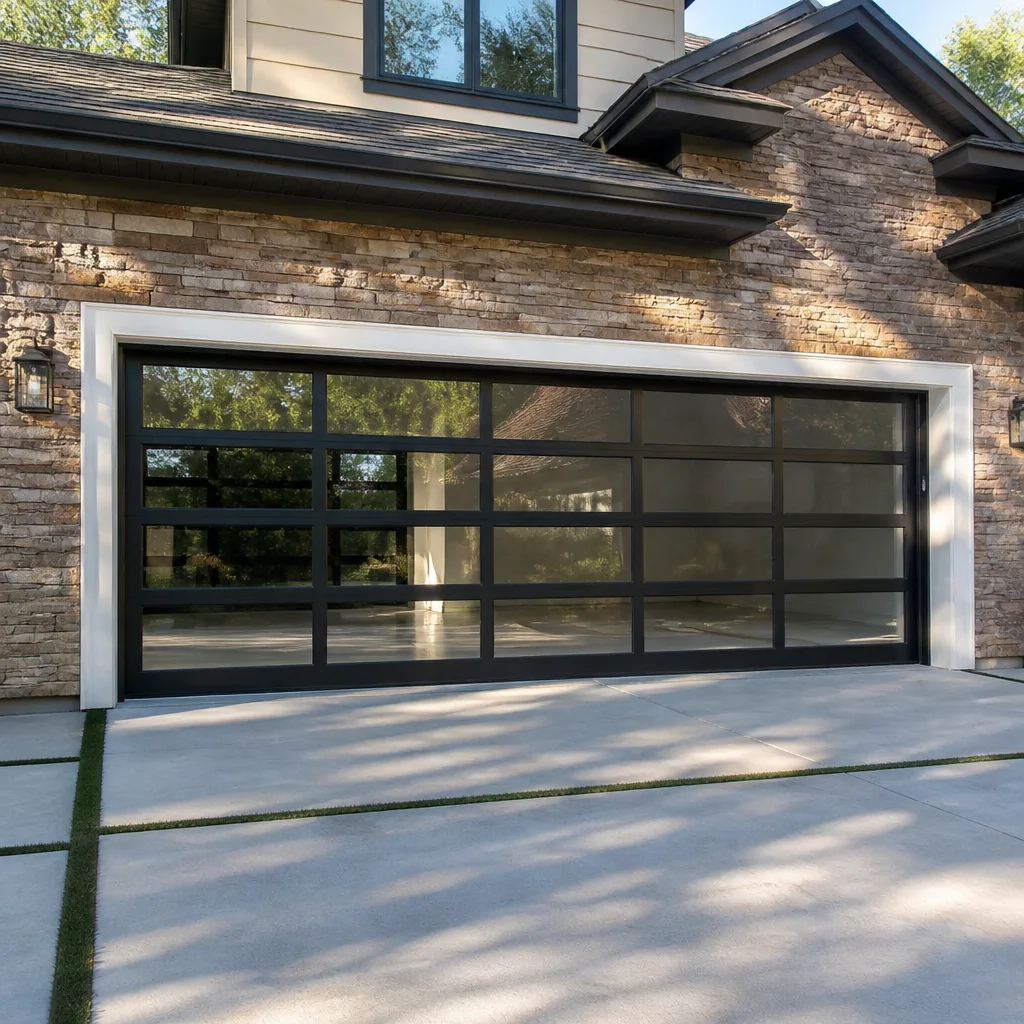 Full-view glass
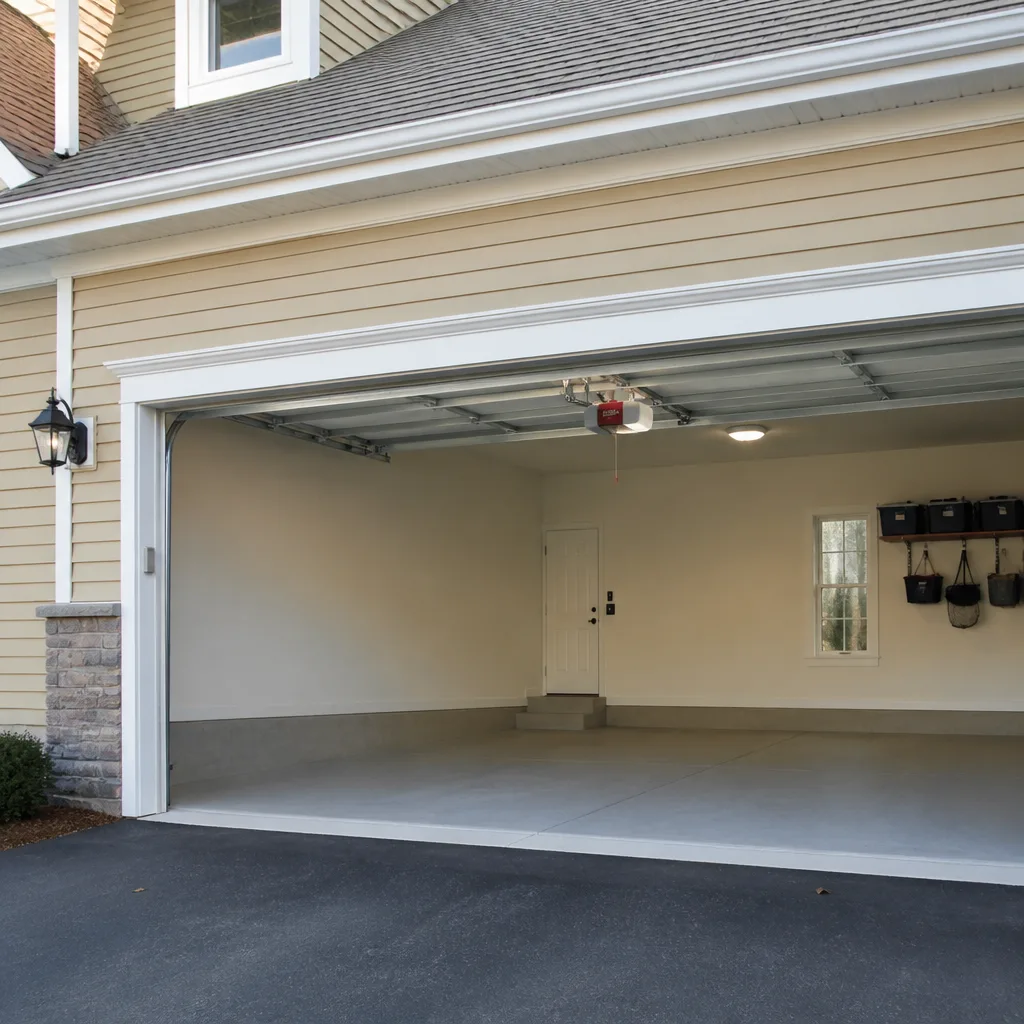 LiftMaster openers
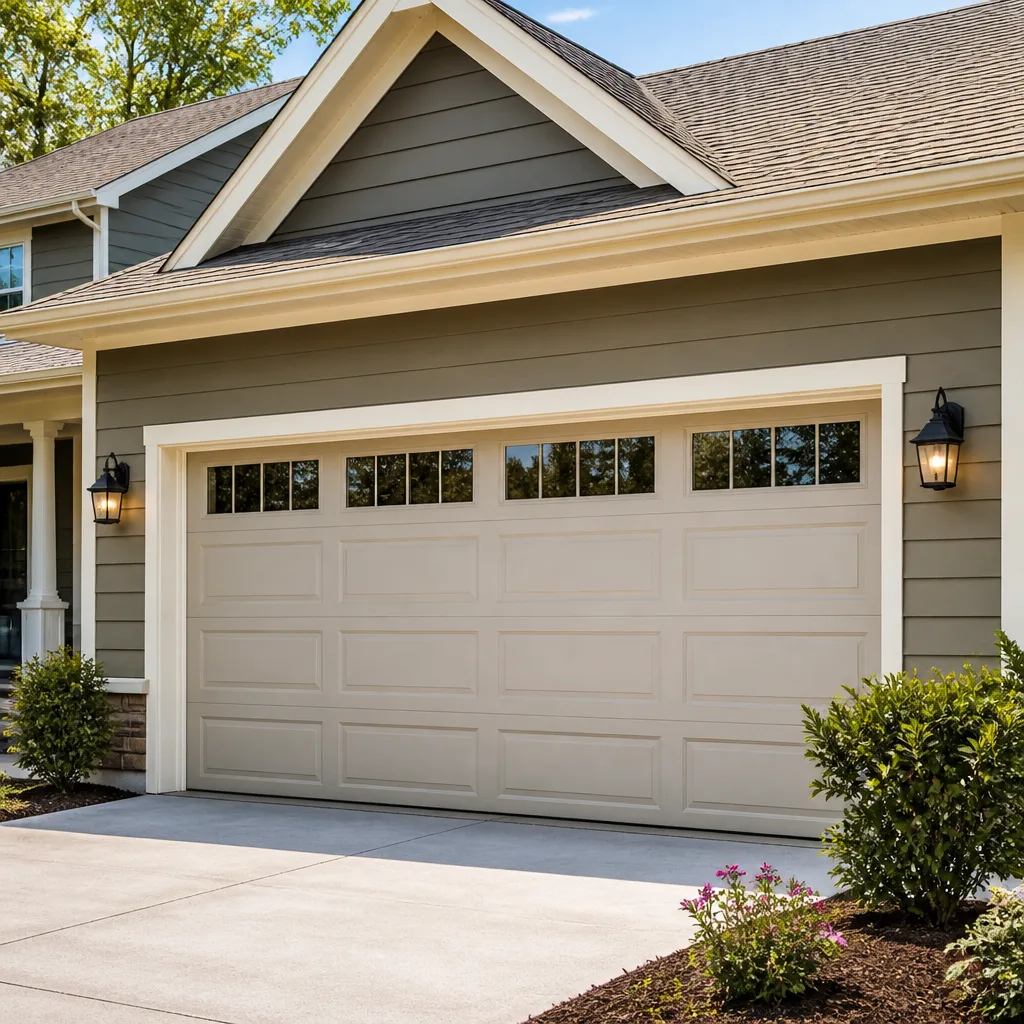 Chamberlain openers
Full 25-point door and opener safety check with every visit - springs, cables, rollers, tracks, and your LiftMaster or Chamberlain opener included
You get a price before we start. It does not change when the pro arrives.
Get your free estimateHow to Hire a Garage Door Contractor in Cherry Hill: A Step-by-Step Guide
Most homeowners assume that any contractor with a truck and a registration number can fix a garage door. That assumption is where the trouble starts. A garage door is a balanced mechanical system under serious tension, and the skills that repair a deck or hang drywall don’t transfer to it. In our experience around Cherry Hill, the frustrating cases almost never involve someone who was outright unqualified to work at all. They involve someone who was qualified for a different kind of work and got hired anyway. This guide gives you a vetting framework built around the specific realities of the garage door trade so you can tell the specialists from the generalists before you sign anything.
Styles & brands we work with
- Raised-panel steel
- Carriage house
- Modern flush
- Full-view glass
- LiftMaster openers
- Chamberlain openers
Quick Answer
To hire a garage door contractor in Cherry Hill, verify three things before anything else: current New Jersey home improvement contractor registration, specific experience with your door and opener brand, and a written estimate that itemizes parts and labor separately. Then ask the five job-specific questions in this guide and read reviews for pattern rather than star count. A properly vetted contractor confirms registration, explains their spring and opener approach in plain language, and puts the scope in writing before any work begins.
Table of Contents
- Why a Garage Door Is Not a Generic Repair Job
- The NJ Registration Most Homeowners Don’t Check
- The Five Questions That Expose Experience Gaps
- What a Legitimate Written Estimate Must Include
- How to Read Reviews for a Garage Door Contractor
- Parts Warranty vs. Labor Warranty
- Brand Fluency: Doors and Openers Are Two Different Skill Sets
- What You Should Never Attempt Yourself
- Common Mistakes to Avoid
- When to Call a Professional
- Frequently Asked Questions
- The Bottom Line
Why a Garage Door Is Not a Generic Repair Job
A garage door looks simple from the driveway: panels, tracks, a couple of springs, a motor. What’s hidden is a tension system that holds hundreds of pounds in balance. When a torsion spring is wound, it stores enough force to move the full weight of the door, and when that force releases badly, it can injure the person standing under it. That is not a metaphor. It’s the single biggest reason garage door work sits apart from general handyman work.
The other reason is fit. Door components are not universal. Springs are rated by wire diameter, inside diameter and length, and a spring that’s close but not matched will either fail early or leave the door unbalanced. Openers have their own compatibility layers: a LiftMaster logic board doesn’t swap into a Genie rail system, and safety sensor wiring differs by brand and generation. A generalist can force a part to fit. A specialist knows which part belongs there.
In Cherry Hill, the practical consequence shows up in the housing stock. A lot of homes here have doors and openers that were installed together years ago and have been kept running with piecemeal repairs. When a homeowner finally replaces a spring or an opener, the mounting hardware and rail often don’t match anything on a shelf. Techs who work on your brand regularly know how to source the right component the first time rather than improvising. That’s the difference you’re paying for when you hire a specialist.
The NJ Registration Most Homeowners Don’t Check
New Jersey does not license garage door contractors the way it licenses electricians or plumbers. Instead, home improvement work falls under the state’s home improvement contractor registration program. That registration is the specific credential to verify for this work, and it’s different from a general business license or a municipal permit. Before you book any work in Cherry Hill, ask for the registration and check it against the state’s public database.
What to verify:
- Home improvement contractor registration – current and matching the business name on the estimate
- Liability insurance – ask for a certificate of insurance and confirm it’s active, not expired
- Workers’ compensation – relevant if the contractor brings anyone else onto your property
- Written contract – required for home improvement work above the state’s threshold, and it should state scope, price and payment terms
A contractor who hesitates on any of these is telling you something. Registration is not an insult to ask for; it protects you if something goes wrong and gives you a path to a complaint if the work fails. In Cherry Hill, where older homes and updated ones sit side by side, a contractor who works both needs to understand the age of the structure they’re attaching a door to. We’re happy to walk through our credentials and the credentials of the local pros we connect you with before you commit.
The Five Questions That Expose Experience Gaps
You don’t need to know the answers yourself to benefit from asking. You need to hear whether the person on the phone answers with confidence and specifics or with vagueness. A contractor who does this work regularly answers these without pausing. One who doesn’t starts hedging, deflecting, or promising to “take a look and see.”
- “Is my door torsion or extension spring, and why does that matter for the repair?” Torsion springs mount above the door on a shaft; extension springs run along the sides. They need different tools, different replacement parts and different safety handling. A contractor who can’t name yours before arriving either hasn’t asked the right questions or doesn’t know the difference.
- “What spring wire size and length do you replace with?” Springs aren’t interchangeable by “roughly the same size.” The correct answer references measuring the old spring or matching the door weight, not eyeballing it.
- “Can you work on my opener brand without replacing it?” This is where brand fluency shows. An opener specialist can diagnose a LiftMaster or a Chamberlain board or a Genie screw drive without defaulting to “you need a whole new unit.” If they can’t name your brand’s common failure points, keep looking.
- “Will you replace both springs if they’re matched, or just the broken one?” A matched pair usually wears at the same rate. Replacing one and leaving its twin is often a call-back waiting to happen. The answer should explain the tradeoff, not just quote the cheaper option.
- “What’s your labor warranty, separate from the parts warranty?” Parts and labor are warranted by different parties and for different lengths of time. A contractor who lumps them together is either not tracking it or not planning to stand behind the install work.
Ask these before you book. The answers tell you more than any website testimonial will.
What a Legitimate Written Estimate Must Include
A garage door estimate is not a single number scrawled on a business card. For repair work, it should break the job into parts and labor so you can see what you’re actually buying. For a new door or opener installation, it should separate the equipment from the labor and list any disposal or haul-away cost. If the estimate is one lump sum with no detail, ask for the breakdown. If it still doesn’t come, that’s your answer.
What a proper estimate includes:
- Parts, itemized – spring or opener model, brand and quantity
- Labor, listed separately – so you can compare quotes fairly
- Disposal or haul-away – relevant anytime an old door, opener or spring is removed
- Scope of work – what’s being fixed and what isn’t
- Warranty terms – parts and labor listed separately with duration for each
- Total and payment terms – and whether a deposit is required
What vague estimates signal: a “spring replacement” line with no size or brand is a warning. So is an estimate that quotes “door repair” without specifying the component. Garage door work splits cleanly into spring, opener, panel, track, roller and cable categories, and a professional estimate names the one being addressed. The written estimate is the price. Ask for it before any work starts, and confirm that anything beyond the scope gets re-quoted and agreed before it proceeds.
For a sense of what service categories look like in our area, you can see how we break out garage door spring repair separately from general repair work – the same principle a good estimate should follow.
How to Read Reviews for a Garage Door Contractor
Star counts are noise. What matters is pattern. A garage door contractor with a hundred five-star reviews that all say “great job, fast service” is not giving you useful information. A contractor with a mix of ratings where the negative ones describe specific, explainable problems and the positive ones describe the same kinds of jobs you’re about to hire for is telling you far more.
Patterns worth reading for:
- Repeat mentions of the same fix – if multiple reviews name spring replacement, opener repair or emergency service specifically, that’s evidence of volume in your job type
- Brand mentions – reviews that name LiftMaster, Chamberlain, Clopay or Genie suggest brand-specific experience
- Pricing consistency – reviewers describing the quote matching the final bill is worth more than “cheap”
- Responsiveness on emergencies – reviews that describe a same-day or next-morning response for a stuck door speak to whether emergency work is core
- How negative reviews get handled – a business that responds with facts rather than defensiveness is more trustworthy than one with a perfect record and no engagement
Ignore reviews that read like ad copy. Ignore the ones that complain about price alone; someone will always say a job cost more than they hoped. Focus on what the reviews reveal about the job, the brand and the outcome. For anyone still deciding on a repair over a new install, our garage door repair page explains how the two paths get evaluated.
Parts Warranty vs. Labor Warranty
This split matters more for garage doors than for most home repairs, and it’s routinely glossed over. A parts warranty is usually provided by the manufacturer and covers the spring, opener or panel itself failing. A labor warranty comes from the contractor and covers the workmanship: the installation, adjustment and calibration. If the spring is under a two-year parts warranty but the labor warranty is thirty days, and the spring fails at month three, you own the labor cost to swap it – often the larger share of the bill.
Ask specifically:
- “Who backs the parts warranty, and for how long?” – manufacturer or contractor
- “What’s the labor warranty on this installation?” – and whether it covers the full job or just the component
- “If the opener control board fails under warranty, is the replacement labor covered?” – the answer separates a thoughtful contractor from a transactional one
- “Is the warranty transferable if we sell the house?” – a small detail that helps in Cherry Hill’s resale market
Get the warranty terms on the estimate, not just in a phone conversation. If the parts warranty is long and the labor warranty is short, plan for the possibility of paying labor twice. That’s not a dealbreaker, but it’s information you want before you commit.
Brand Fluency: Doors and Openers Are Two Different Skill Sets
Garage doors and garage door openers are separate mechanical systems made by different manufacturers. A contractor who is strong on door panels and spring systems may know less about opener logic boards, safety sensors and remote programming. The best contractors are fluent in both, because a door failure and an opener failure often look alike from the driveway but require very different fixes.
When you ask about brand experience, listen for two categories in the answer:
- Door manufacturers – Clopay, Amarr, Wayne Dalton, Raynor
- Opener manufacturers – LiftMaster, Chamberlain, Genie, Craftsman
A contractor who answers only for one side is a partial specialist. The one who can speak to a Chamberlain opener failing to close and a Clopay panel out of alignment as two different diagnostics is the one you want. If your opener is a LiftMaster or a Genie and the contractor can’t describe its common failure points, that’s your signal to move on. Our garage door opener repair work is broken out as its own specialty for exactly that reason.
Brand fluency also affects parts sourcing. A part that fits a Chamberlain may not fit a Genie of the same vintage. A contractor who knows your brand orders the right component the first time rather than making a second trip to source it, and that directly shortens how long your door sits out of service.
What You Should Never Attempt Yourself
We’ve said it once and we’ll say it again because it’s the single most important safety point in this guide: garage door springs and cables are under extreme tension, and they can cause serious injury or death if handled wrong. Do not attempt to replace, adjust or unwind a torsion spring yourself. Do not cut a cable under tension. If your door is stuck open, hanging crooked, or making a loud cracking noise, keep people and vehicles clear of it and call a trained professional.
The same caution applies to opener electrical work. A garage door opener that’s tripping a breaker, giving a shock, or refusing to run could have a wiring or logic board fault. Electrical work on an opener is not a spot to start experimenting.
What you can safely do: check the safety sensors for debris or alignment, inspect the rollers and tracks for obvious obstruction, and listen for unusual noise. Beyond that, the diagnosis and repair belong with someone who has the tools, the training and the insurance to do it safely. That’s a safety caveat, not an up-sell.
Common Mistakes to Avoid
- Hiring on price alone. The lowest quote is often the one that skips the matched-pair spring replacement or leaves a misaligned track. In Cherry Hill’s housing mix, an undersized quote that doesn’t account for older mounting hardware is usually a sign the contractor hasn’t looked closely.
- Skipping the registration check. A contractor can show up with a professional-looking estimate and still not hold current NJ home improvement contractor registration. Ask for the number and verify it against the state’s public records before booking.
- Accepting a hand-written estimate with no itemization. A garage door invoice should name the part and the labor separately. One lump-sum figure leaves you no way to compare quotes or hold anyone to a warranty.
- Assuming brand doesn’t matter. A contractor unfamiliar with your LiftMaster or Chamberlain opener may replace an entire unit when a board swap would have done it. Brand fluency saves money and time, and inexperience with your system costs both.
- Confusing parts warranty with labor warranty. A long parts warranty paired with a thirty-day labor warranty still leaves you on the hook for installation if the part fails early. Get both in writing.
- Replacing a single spring when its matched twin is the same age. Matched springs wear together. A contractor who doesn’t ask about the other spring may leave you with a second failure on the horizon. The tradeoff should be on the estimate.
- Treating a stuck door as a convenience problem. A door that won’t close is a security and access problem. If it’s stuck, or if it’s coming down hard, get a specialist involved rather than waiting for an opening in the schedule.
When to Call a Professional
Some situations are obvious: the spring snapped, the door came off the track, the opener won’t engage, or the door is hanging unevenly. Others are quieter. A door that reverses erratically, a remote that only works from close range, or a motor that strains on the way up all point to problems a professional should diagnose before they compound. Garage door work involves tension systems and electrical components where a DIY fix can turn a minor issue into an injury or a full-door replacement. That’s true across Cherry Hill, from homes near the Cooper River to newer properties where the opener is the only thing in the garage under load.
Cherry Hill Garage Door Repair Pros offers free estimates in Cherry Hill. We work on your brand across LiftMaster, Chamberlain, Genie, Clopay, Amarr, Wayne Dalton, Craftsman and Raynor, and our technicians have up to 14 years of experience. Call (833) 772-5404 to book an estimate, and if the door won’t open or close, tell us on the call so we can prioritize it.
Frequently Asked Questions
Spring repair pricing depends on whether it’s a torsion or extension spring, the door weight and the spring type, so the accurate number comes from a written estimate after the door is measured. A typical range for one spring is quoted at the job site, and a matched pair is usually about twice the single-spring figure because both are replaced together. We quote and agree the price before any work starts, so there are no surprises on the invoice. Call (833) 772-5404 for a free estimate.
New Jersey’s credential for home improvement work is home improvement contractor registration, verified through the state’s public database, rather than a garage-door-specific license. Ask for the registration number and confirm it matches the business name on your estimate, and ask for a certificate of liability insurance. The local pro we connect you with is registered and insured as the state requires. Call (833) 772-5404 if you’d like help verifying credentials before you book.
No. A garage door spring is under extreme tension and can cause serious injury or death if handled without the right tools and training. Keep people and vehicles clear of a door with a broken spring and call a professional. Call (833) 772-5404 to schedule spring repair with someone who works on tension systems safely.
The written estimate sets the price. If we find something beyond the original scope, we re-quote and get your agreement before proceeding, rather than adding to the invoice after the fact. That’s why we ask for the door type and brand on the phone, so the estimate is as close to final as possible. Call (833) 772-5404 for a free estimate.
In most cases a repair on your existing opener is the right call, and we work on LiftMaster, Chamberlain, Genie and other major opener systems rather than pushing a full replacement. A diagnosis first tells you whether it’s a sensor, a logic board, a belt or a rail issue. Call (833) 772-5404 and tell us the opener brand so we can plan the right parts.
Ask them to name the common failure points on your brand and to describe how they’d source the replacement part. A contractor who knows your brand answers specifically; one who doesn’t deflects or offers to “take a look.” Reviews that mention your brand by name are also a useful signal. Call (833) 772-5404 to ask about your specific door or opener.
The Bottom Line
Hiring a garage door contractor in Cherry Hill comes down to verification, not intuition. Confirm the NJ home improvement contractor registration, ask the five job-specific questions, and insist on a written estimate that separates parts from labor. Read reviews for pattern rather than star count, and get both the parts warranty and the labor warranty in writing. A contractor who answers these questions with specifics is a specialist, and one who doesn’t is the wrong fit regardless of how the estimate looks. That framework is what protects you from a repair that has to be redone.
From repairing what you have to installing what you need, we cover the full range: emergency service, garage door repair, garage door spring repair, garage door opener repair, and new door installation. Our technicians have up to 14 years of experience and work on your brand without pushing a single manufacturer. Call (833) 772-5404 for a free estimate, or start at Cherry Hill Garage Door Repair Pros to learn more about how we work.
Written by the team at Cherry Hill Garage Door Repair Pros.
See the difference
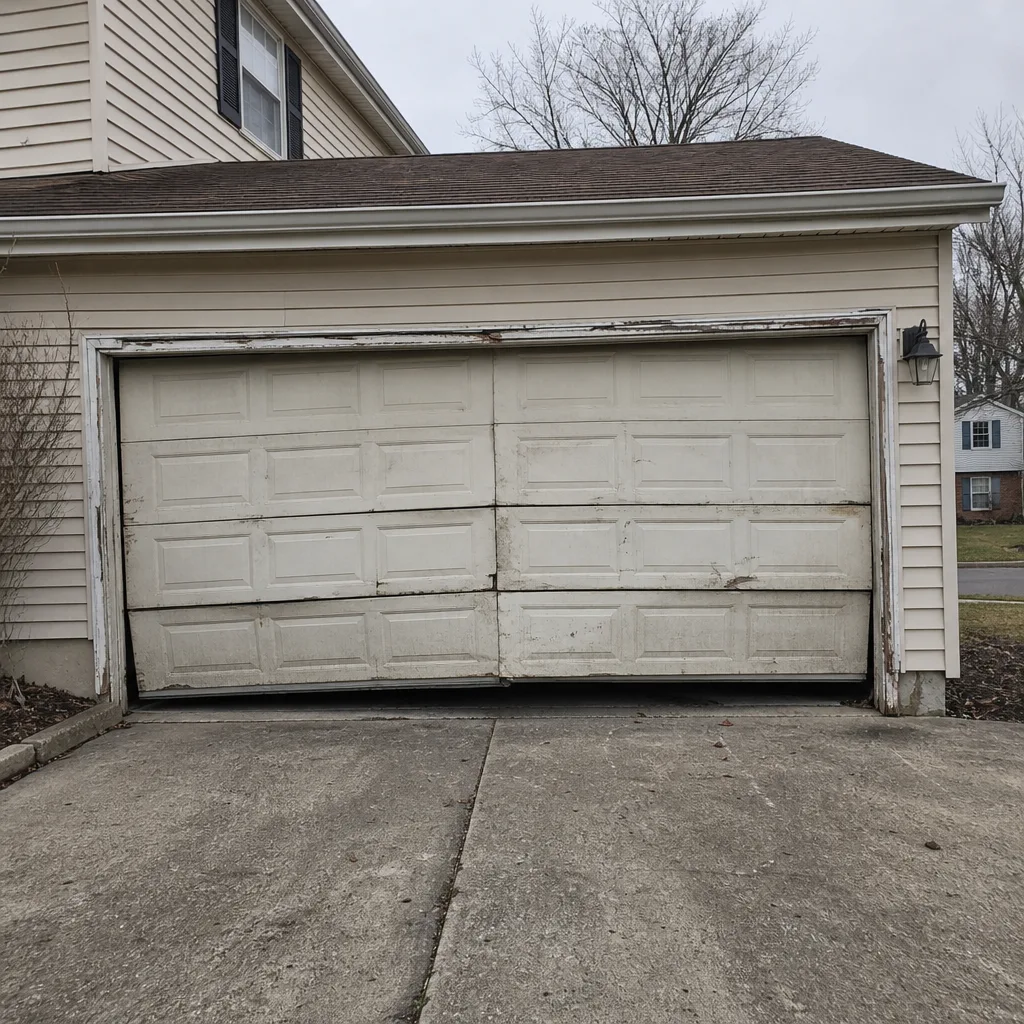 Before
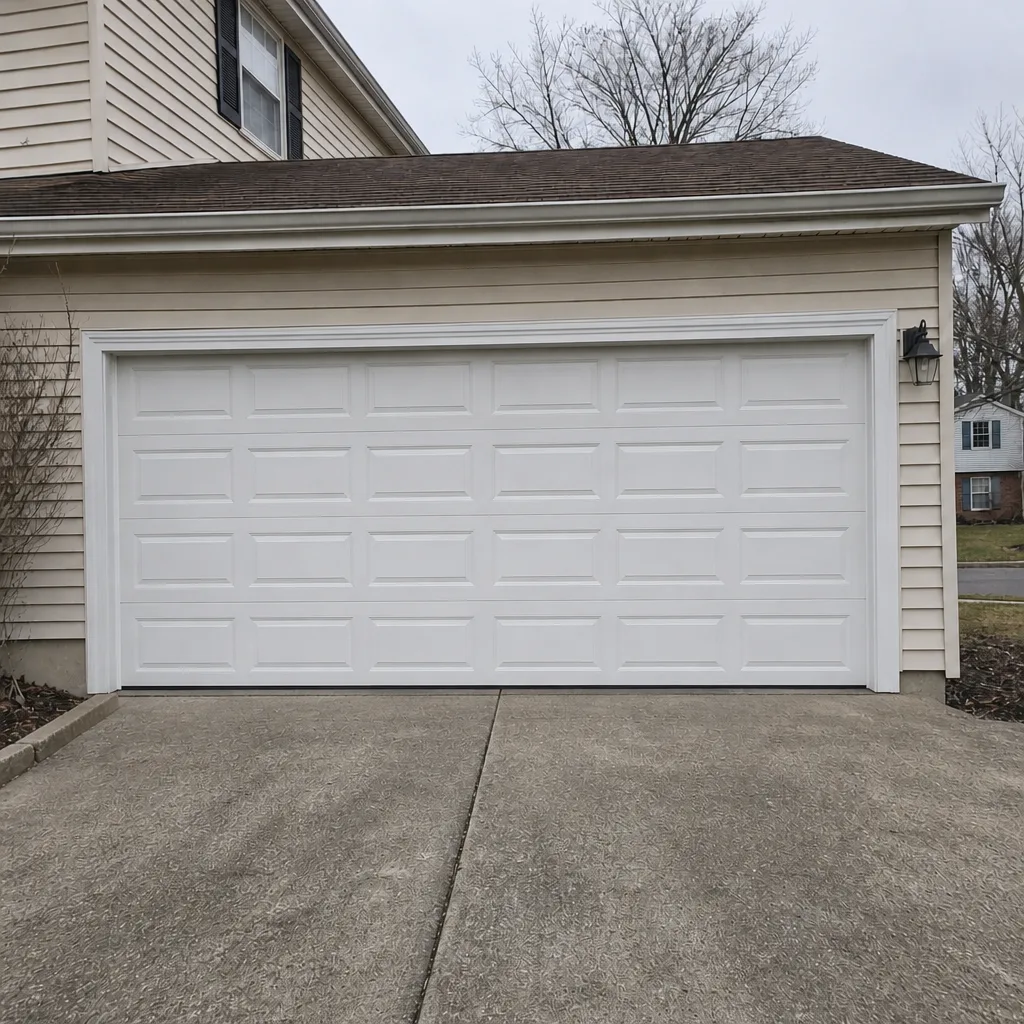 After
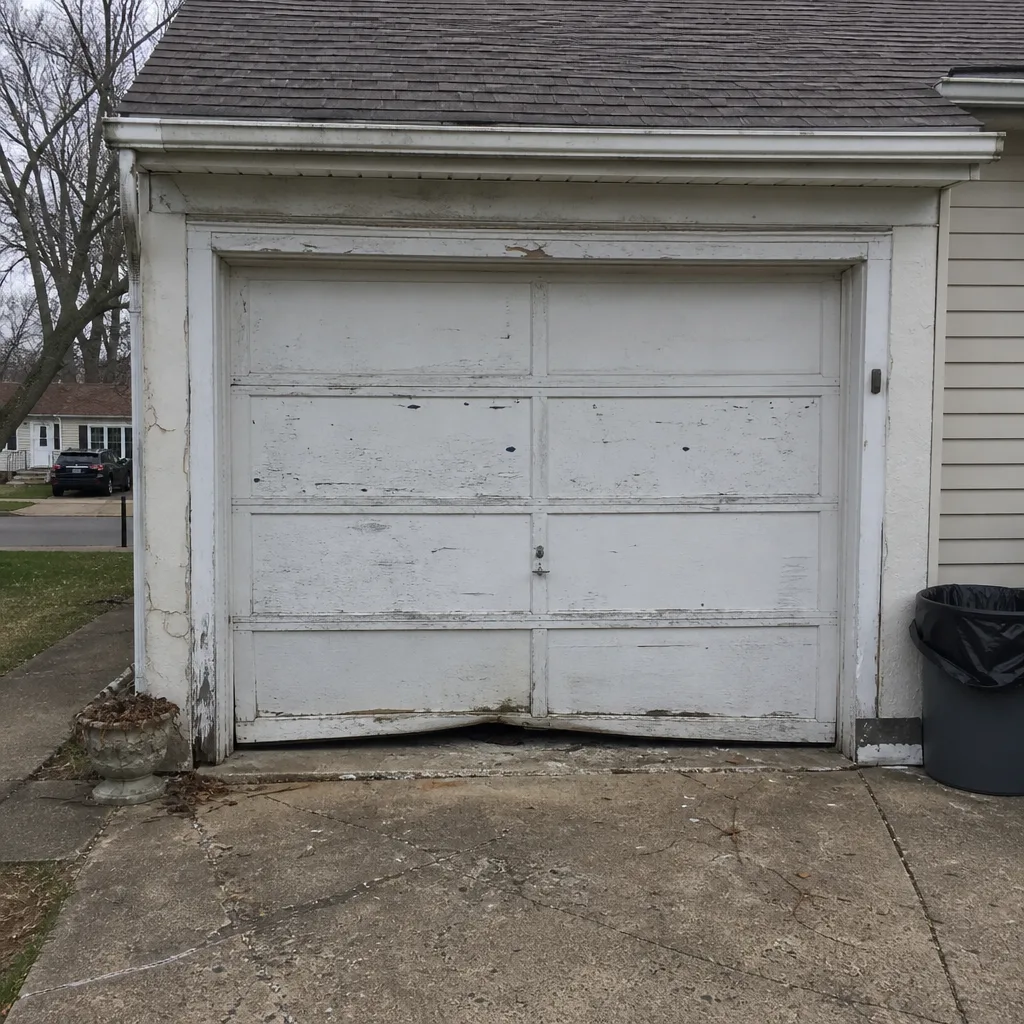 Before
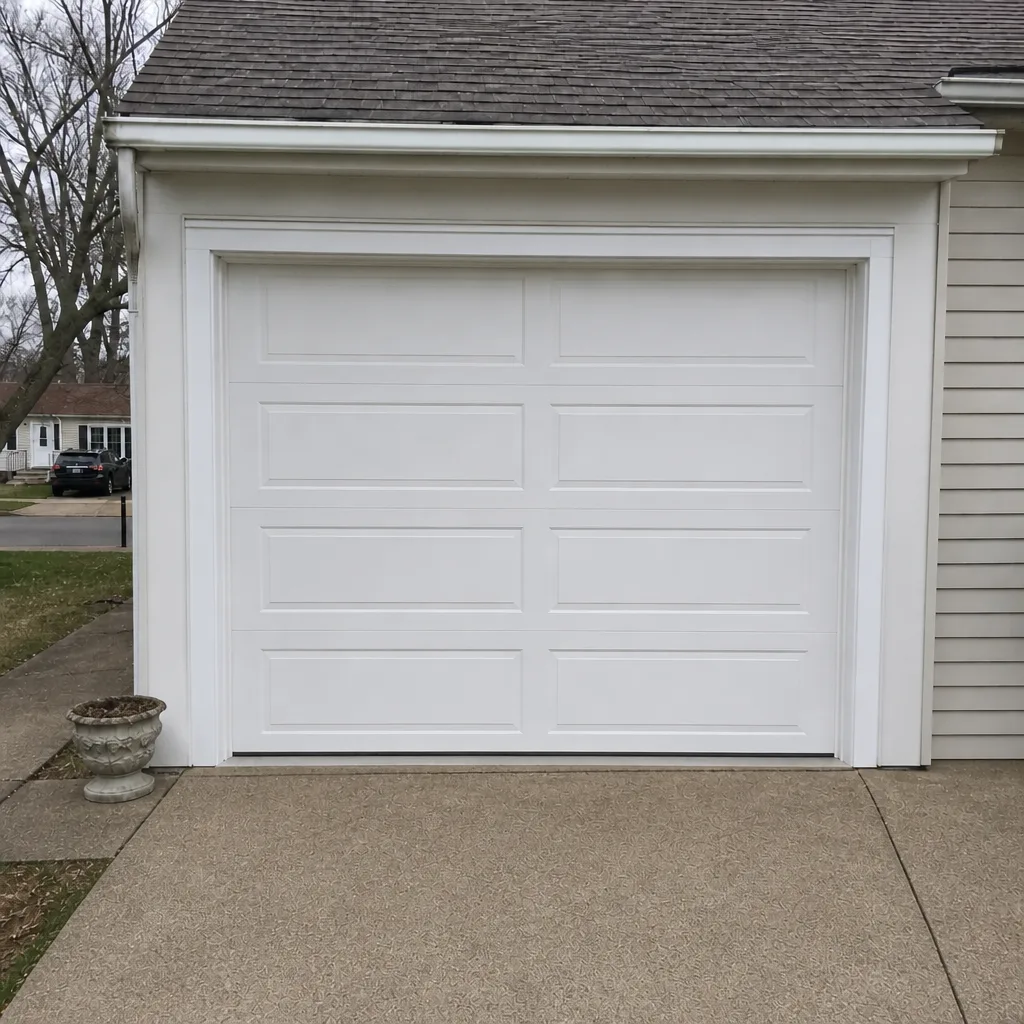 After
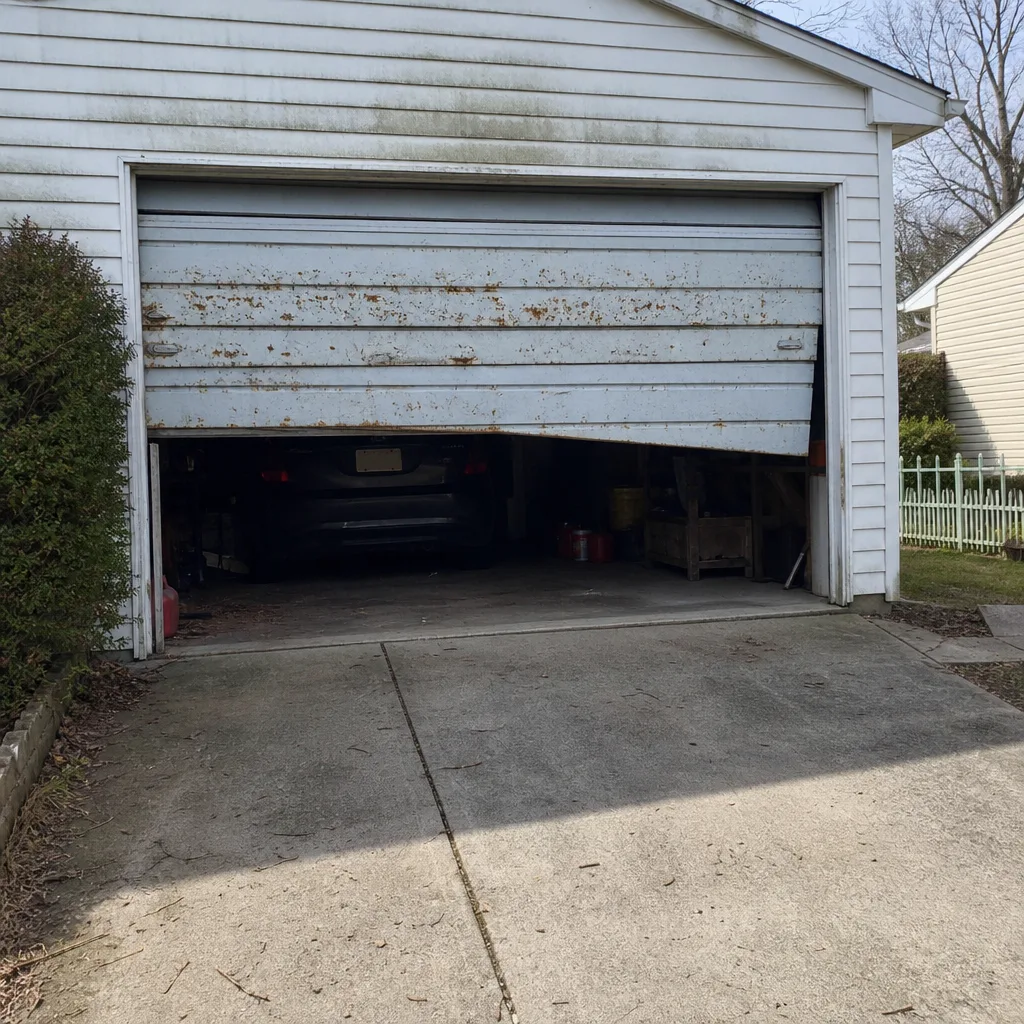 Before
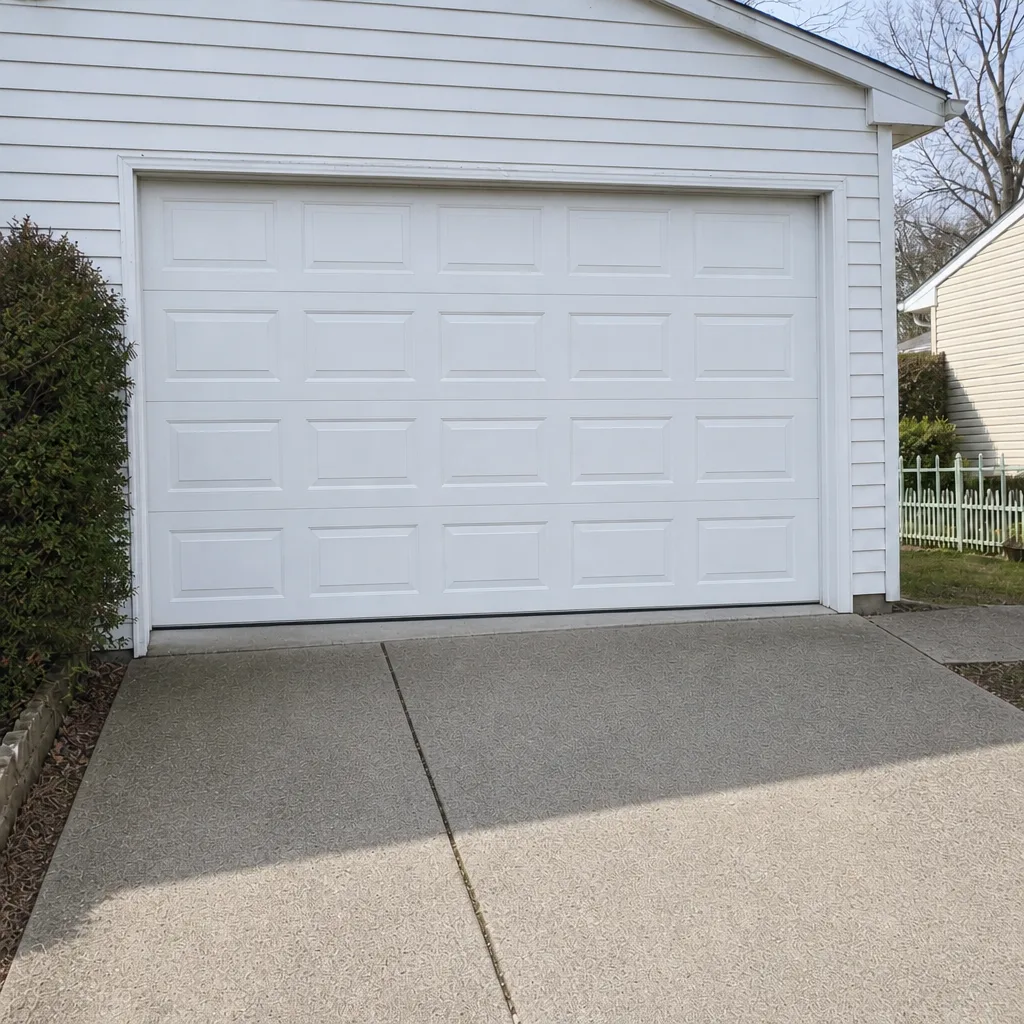 After