Last updated November 23, 2026
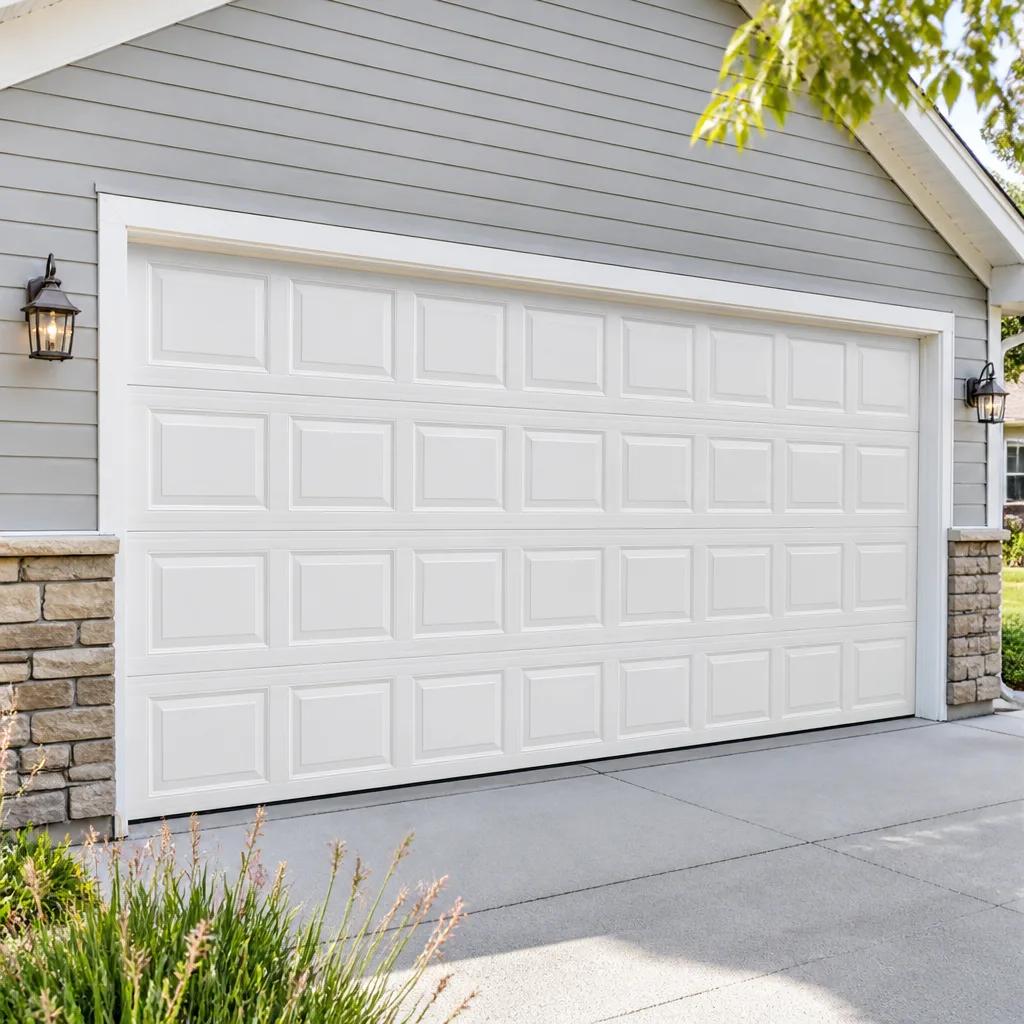 Raised-panel steel
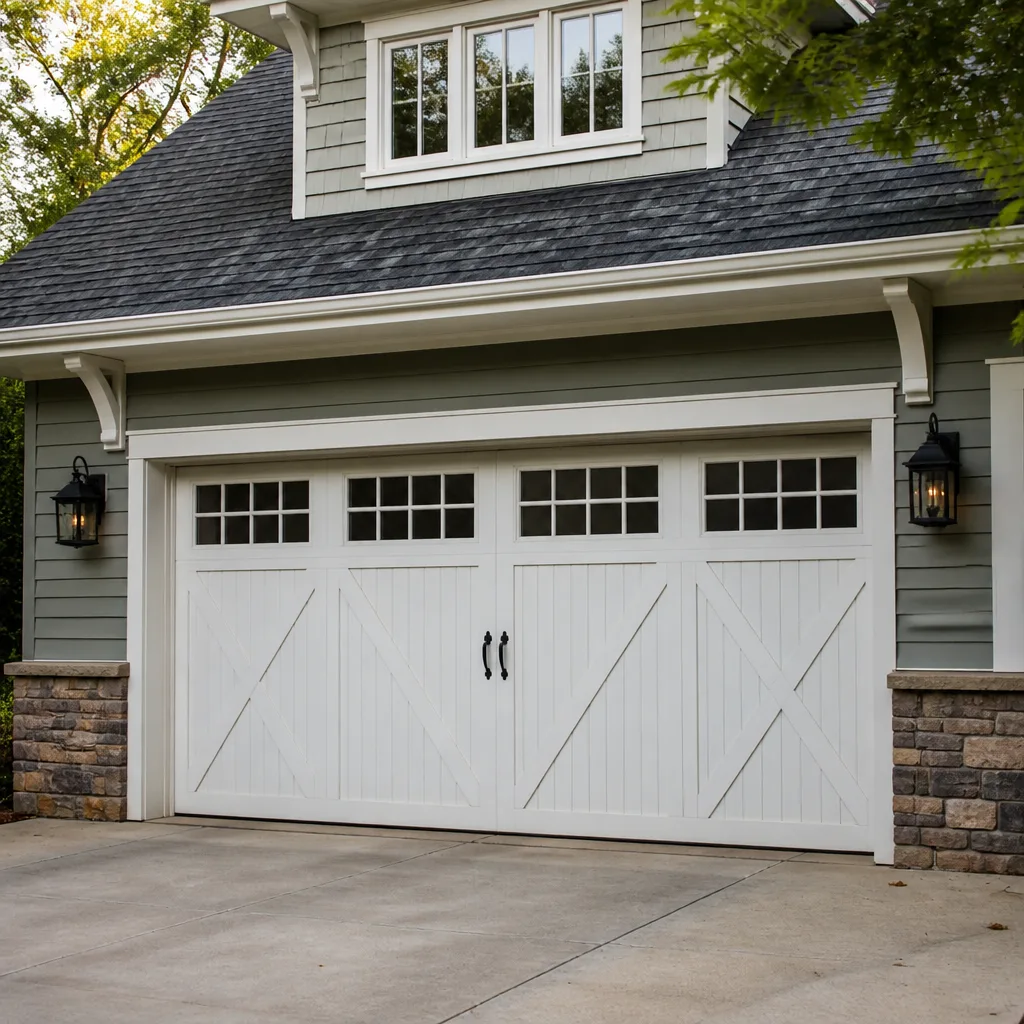 Carriage house
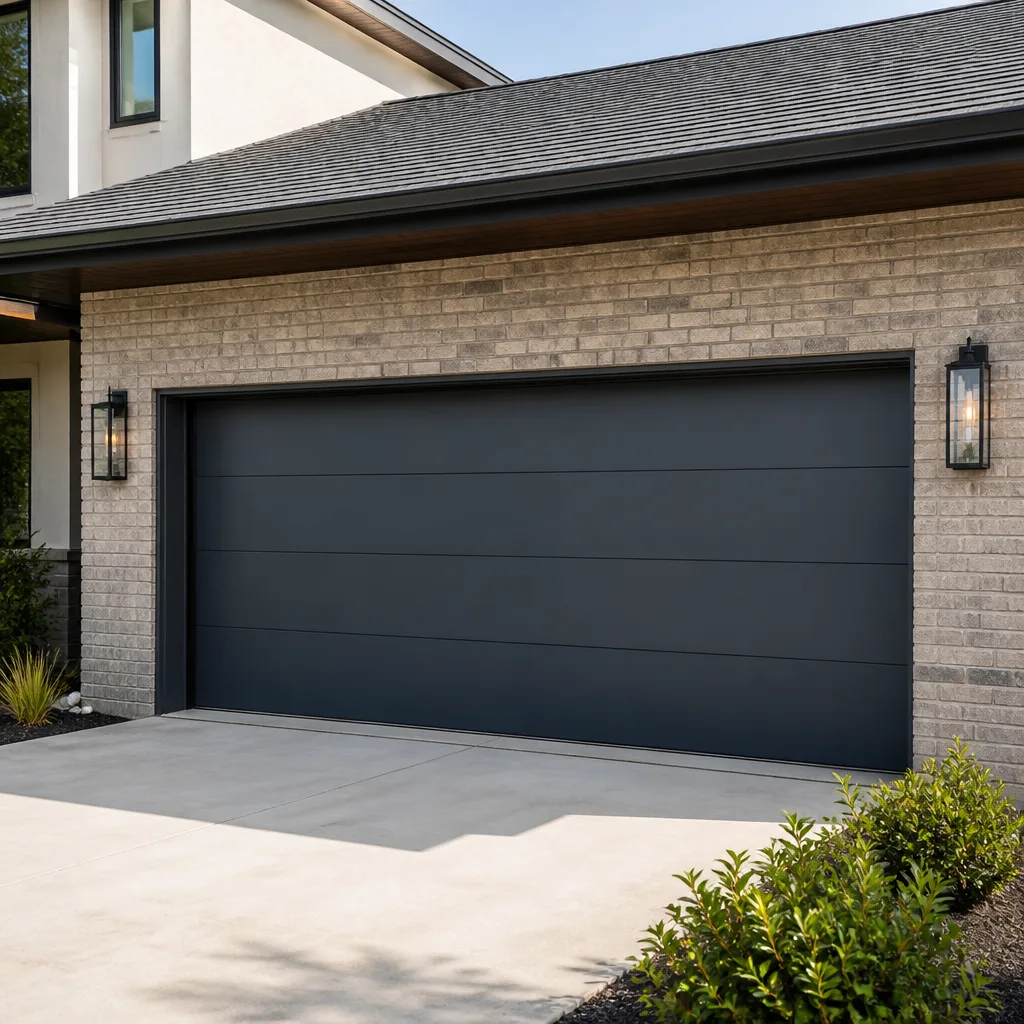 Modern flush
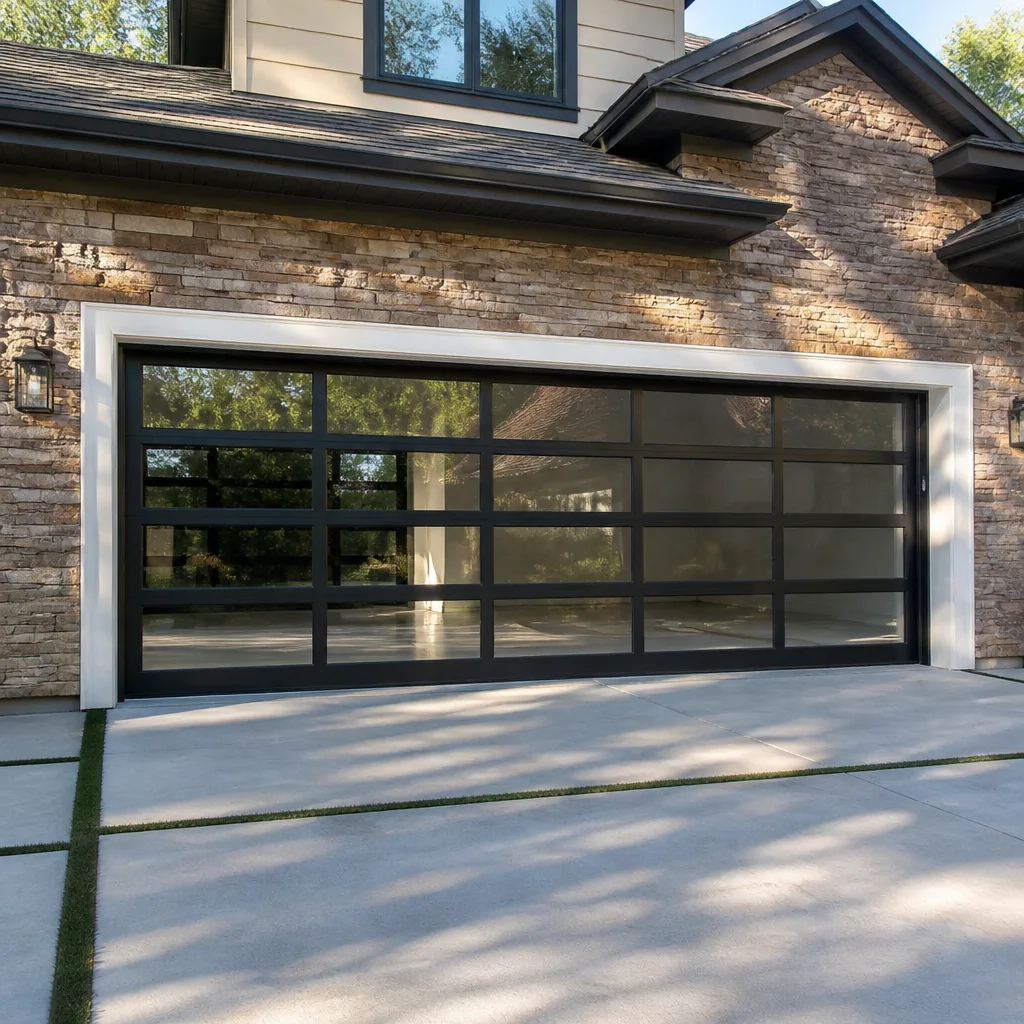 Full-view glass
 LiftMaster openers
 Chamberlain openers
Full 25-point door and opener safety check with every visit - springs, cables, rollers, tracks, and your LiftMaster or Chamberlain opener included
You get a price before we start. It does not change when the pro arrives.
Get your free estimateGarage Door Permits, Codes & Inspections in Cherry Hill, NJ: What You Need to Know
Most Cherry Hill homeowners assume a garage door replacement is like swapping a light fixture: buy the new one, put it up, done. That assumption is where trouble starts. Garage door work in New Jersey sits inside the state’s Uniform Construction Code, and whether your project triggers a permit depends on what’s actually changing, not on how big the job feels. A door that’s replaced in kind is treated very differently from one that involves new framing, a widened opening, or an attached-garage fire separation. In this guide we walk through when Cherry Hill Township requires a permit for garage door work, how the application and inspection process actually runs, what happens to insurance claims and resale when work was never permitted, and the fire-rated door rule between an attached garage and a living space that surprises a lot of people at inspection. If you’re weighing a repair instead, our garage door repair team handles the jobs that don’t need a permit at all.
Quick Answer
In Cherry Hill, NJ, replacing a garage door with the same size and type in the same opening usually does not require a building permit, but any work that changes the opening, the framing, the header, or the fire separation between an attached garage and the house does. Opener installation typically doesn’t need a permit on its own. When a permit is required, the homeowner or the contractor can file with Cherry Hill Township’s building department, and the work is inspected before it’s closed out. The safest move is always to ask the township directly before work begins; the written answer is what protects you later.
Styles & brands we work with
- Raised-panel steel
- Carriage house
- Modern flush
- Full-view glass
- LiftMaster openers
- Chamberlain openers
Table of Contents
- When Does Garage Door Work Require a Permit in Cherry Hill?
- What the NJ Uniform Construction Code Says About Garage Doors
- How the Cherry Hill Township Permit Process Works
- Who Pulls the Permit: Contractor or Homeowner?
- How Unpermitted Work Affects Insurance and Resale
- Fire-Rated Doors Between the Garage and Living Space
- What Inspectors Look For and How to Prepare
- Common Mistakes to Avoid
When Does Garage Door Work Require a Permit in Cherry Hill?
The short rule is this: a permit is about structural change, not about the door itself. Swapping out a door of the same size in the same opening is generally treated as a repair or replacement-in-kind and typically doesn’t need a permit. Changing the size of the opening, moving it, adding a new opening, altering the header or framing, or changing the fire separation between an attached garage and the house does trigger one. Opener installation, including smart openers from LiftMaster or Chamberlain, is normally a component replacement and doesn’t require a permit on its own.
Here’s how the categories usually break down in Cherry Hill homes, whether you’re in a postwar split-level off Kresson Road or a newer build near Cherry Hill East:
- Replacement-in-kind (same size, same opening, same type): usually no permit, but confirm with the township.
- New door in an existing opening where the size changes: typically requires a permit because the framing and header may be affected.
- Widening or raising the opening, or adding a new one: permit required; this is structural work.
- Replacing or altering the header over the door: permit required.
- Opener installation or replacement: generally no permit as a standalone component swap.
- Changing the fire separation between an attached garage and living space: permit required, and inspected.
- Repairs to springs, cables, rollers, tracks, and hinges: no permit; these are mechanical repairs, not construction.
The line between “replacement” and “construction” is where most homeowner confusion lives. If a contractor tells you a permit is never needed for garage doors, that’s not quite true. If they tell you it’s always needed, that’s not quite true either. It depends on the scope. Ask the question in writing before anything gets ordered.
What the NJ Uniform Construction Code Says About Garage Doors
New Jersey regulates construction through the Uniform Construction Code, administered by the state’s Department of Community Affairs and enforced locally by each municipality’s construction official. The code classifies work into building, electrical, plumbing, fire, and mechanical subcodes. Garage door replacement-in-kind generally falls outside the work that requires a permit, while any change to the structural opening or the fire separation is treated as building or fire work and does require one.
You don’t need to read the code yourself. What matters is knowing which category your job lands in and letting the township confirm it. Three practical questions cut through almost every situation:
- Is the size, location, or type of the door changing? If yes, expect a permit.
- Is any framing, header, or structural member being altered? If yes, expect a permit and an inspection.
- Is the boundary between the attached garage and the house being changed in any way? If yes, expect a fire-related inspection.
If the answer to all three is no, you’re most likely in replacement-in-kind territory. That covers a big share of the work we do in Cherry Hill, from a tired Clopay door swapped for a new one in the same opening to a spring repair that never touches the structure. For jobs that go further, we help homeowners get the paperwork right before a door is lifted into place.
One more thing worth knowing: the code treats an attached garage differently from a detached one. A detached garage doesn’t share a wall with the house, so the fire separation rules don’t apply the same way. If your Cherry Hill home has an attached garage, the wall and door between the garage and the house are part of your home’s fire protection envelope, and that’s exactly the area a permit exists to protect.
How the Cherry Hill Township Permit Process Works
Cherry Hill Township issues building permits through its construction office, and the process is straightforward if you know the sequence. Here’s how a garage-related permit typically moves from start to finish:
- Confirm the scope with the township. Call or visit the construction office and describe the work. Ask whether your project needs a building permit, a fire permit, or both. Get the answer in writing if you can.
- Prepare the application. The application asks for the property address, the scope of work, the contractor’s information, and often a drawing or manufacturer’s specification for the new door or opening.
- Submit and pay the fee. Fees are based on the scope and value of the work. The township will tell you the amount.
- Wait for review and issuance. Turnaround varies with the office’s workload and how complete your application is. A clean, complete submission moves faster than one that has to be sent back for more information.
- Do the work, then call for inspection. Once the permit is issued, the work can proceed. When it’s finished, you or the contractor schedules the inspection.
- Pass the inspection and close the permit. The construction official signs off, and the permit is closed. That record is what protects you later.
Ask the township for its current fee schedule and expected review times; those change and are worth confirming for your specific project rather than assuming. For a Cherry Hill homeowner replacing a door in kind, the process may be as simple as a phone call confirming no permit is needed. For a job that alters the opening, budget some time for review before the door is ordered, because the new door’s dimensions depend on what’s approved.
This is also where brand familiarity helps. Knowing that a Clopay or Amarr door is being specified in a standard opening, versus a custom size that requires framing changes, makes it obvious early whether you’re in permit territory. Our technicians have up to 14 years of experience with these manufacturers and can tell you at the measure which category your job falls into.
Who Pulls the Permit: Contractor or Homeowner?
In New Jersey, either the homeowner or a licensed contractor can pull a permit, but the arrangement matters for accountability. When a contractor pulls the permit, the contractor is on record as responsible for the work and for calling the inspection. When the homeowner pulls it, the homeowner carries that responsibility, even if a contractor does the labor. For most homeowners, having the contractor pull it is the cleaner path.
Here’s what to sort out before work starts:
- Who files the application: the contractor doing the work, or you.
- Who pays the fee: usually built into the contractor’s estimate, but confirm so there are no surprises.
- Who schedules the inspection: this needs to be explicit; inspections don’t always happen unless someone calls.
- Who holds the approved drawings and the closed permit: you should keep a copy for your records, because you’ll want it at resale.
- What the contract says about permits: it should state clearly who is pulling the permit and whose license or registration is on the application.
If a contractor offers to “skip the permit to save time,” that’s a red flag. It shifts risk onto you, and it can complicate an insurance claim or a future sale later. A licensed, insured contractor isn’t afraid of a permit. If you’re also considering an opener project, our garage door opener repair service handles the electrical-side work that doesn’t cross into permit territory, and we’ll tell you plainly if your job is the exception.
How Unpermitted Work Affects Insurance and Resale
Unpermitted garage door work can affect you in two places that matter a lot: your homeowner’s insurance and your eventual resale. Neither is a guarantee of disaster, and not every unpermitted job causes a problem. But when a claim or a sale comes up, an open permit or a missing inspection record can turn a routine process into a long one.
On the insurance side, most policies require that the home be maintained in a code-compliant way. If a garage-related loss involves work that was never inspected, the insurer may ask questions about the scope and who did it, and the answer can affect how the claim is handled. That’s not a promise of coverage denial; it’s a reason to keep the record clean, so the question never comes up.
On the resale side, a buyer’s inspector or title search can surface unpermitted work. Cherry Hill has a well-documented housing stock, and buyers’ agents here ask for permit history the way they ask for the roof age. When there’s a gap, the fix is usually to have the work retroactively inspected and the permit closed out. That takes time, and it happens during the closing window, which is the worst possible time.
The pattern we’ve seen described most often looks like this: a door was replaced without a permit, the house sold a couple of years later, and the closing stalled while the work was retroactively inspected. Nobody got hurt, but a simple step at the front end would have saved weeks at the back end. This isn’t a scare tactic; it’s a bookkeeping argument. The permit record is cheap insurance for the story you’ll tell a buyer down the road.
For a quick sanity check, ask yourself three things about any past garage door work on your home:
- Was the scope a replacement-in-kind, or was the opening or framing altered?
- Is there a permit number and a closed inspection dated around the time of the work?
- Do you have the contractor’s original invoice showing the work performed?
If the answers make you uneasy, the township construction office can help you figure out where you stand. Better to learn that now than during a closing.
Fire-Rated Doors Between the Garage and Living Space
This is the rule most Cherry Hill homeowners don’t know exists until an inspector mentions it. When a garage is attached to the house, the wall and the door between the garage and the living space have a fire-resistance job: they slow the spread of a fire from the garage to the house. If your home has a door from the garage into a mudroom, laundry, or kitchen, that door is likely subject to a fire-rating requirement, and any replacement needs to match the rating of the wall it sits in.
What that means in practice:
- The door itself must be rated to match the assembly. A hollow-core interior door is not the right choice for this location.
- Self-closing and self-latching hardware is commonly required so the door doesn’t get left open against the house.
- The wall between the garage and the house is also rated and must stay intact; cutting into it can create a gap.
- The door frame, hinges, and seals all matter to the assembly’s performance, not just the door slab.
- Replacing this door is a permit-and-inspection item in most cases because it’s part of the fire separation.
This is separate from the overhead garage door, which isn’t fire-rated in the same way. It’s the pedestrian door between garage and house that carries the requirement. If you’ve been planning to swap that door for a nicer one, ask the township about the rating requirement before you buy, because the wrong door will fail inspection and cost you a return trip.
If you’re not sure whether your home has a rated assembly, the construction office can tell you what’s on record for your property. It’s a fast question with a straightforward answer, and it beats finding out after the door is installed.
What Inspectors Look For and How to Prepare
The inspection itself is usually brief. The inspector is checking that what was approved is what was built, that the structural work is sound, and that life-safety elements like the fire separation are intact. Preparing for it is mostly about having the right paperwork and giving the inspector access to what they need to see.
Here’s what usually helps:
- Have the approved permit and drawings on site. The inspector will want to compare the work to the approved scope.
- Clear the area around the door. Access to the opening, the track, and the springs makes the inspection faster and safer.
- Make sure any framing or header work is visible if the permit covers it; sometimes the inspector needs to see structure before it’s covered, which is why rough-in inspections exist.
- Confirm the fire-rated door hardware operates correctly, including the self-closer if required.
- Have the contractor’s information ready in case the inspector has questions about who did the work.
- Keep a copy of the signed inspection with your home records when the permit is closed.
On the mechanical side, remember that a garage door is a heavy moving assembly. The torsion springs that balance it are under high tension, and adjusting or replacing them is genuinely dangerous work. An inspection doesn’t cover spring adjustment, and nobody should be reaching into a wound spring to see what’s wrong. That’s one of the reasons our garage door spring repair service is separated from general repair calls: the safety stakes are different. When a spring lets go, the door won’t lift, the car can’t get out, and the fix needs someone who works on springs every week.
Common Mistakes to Avoid
- Assuming replacement never needs a permit. Replacement-in-kind usually doesn’t, but any change to the opening or framing does. Ask first; the two-minute call is worth it.
- Letting a contractor skip the permit to move faster. It puts the risk on you. A licensed contractor isn’t afraid of a permit; if they are, that tells you something.
- Replacing the garage-to-house door without checking the fire rating. The most common surprise at inspection. Match the rating of the wall assembly; don’t guess.
- Not keeping the closed permit and inspection record. When you sell, you’ll be asked for it. Keep it with the same folder where you keep the roof and HVAC records.
- Ordering a door before the scope is confirmed. If the opening is changing, the new door’s dimensions depend on what the township approves. Confirm first, order second.
- Treating a spring failure as a permit question. It’s not; it’s a safety and repair question. Call a professional who works on springs rather than trying to sort it out yourself.
- Believing a brand-specific dealer is the only option. You don’t have to replace a Genie opener with a Genie or a Chamberlain with a Chamberlain. A multi-brand technician can advise on what fits your door and your budget.
See the difference
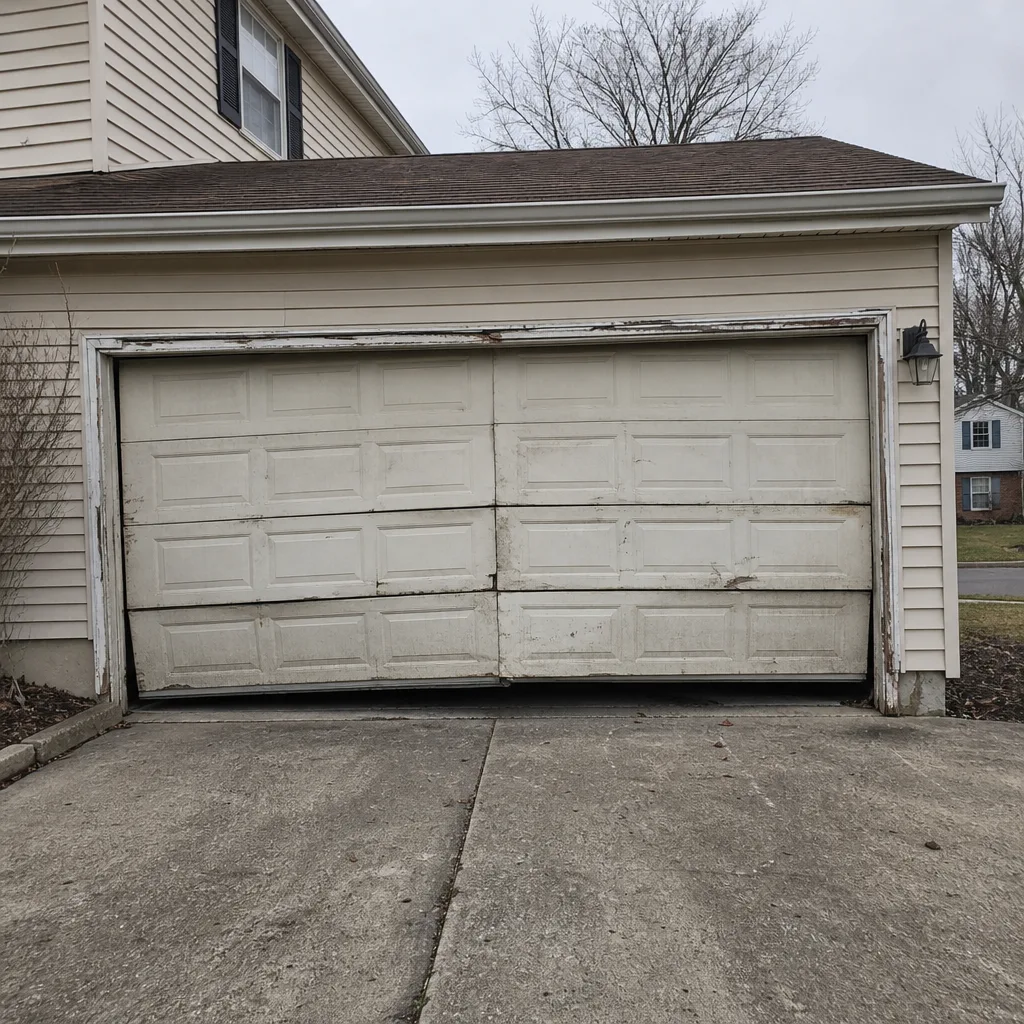 Before
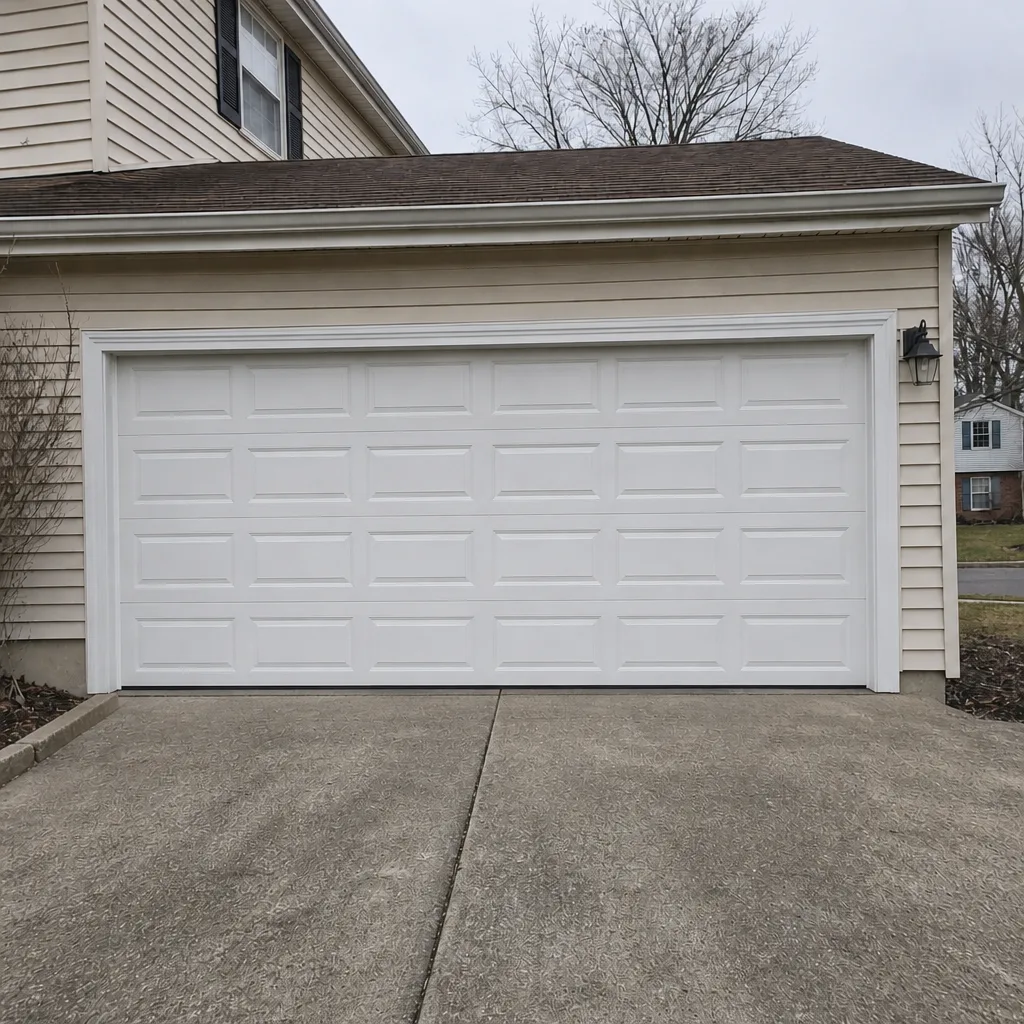 After
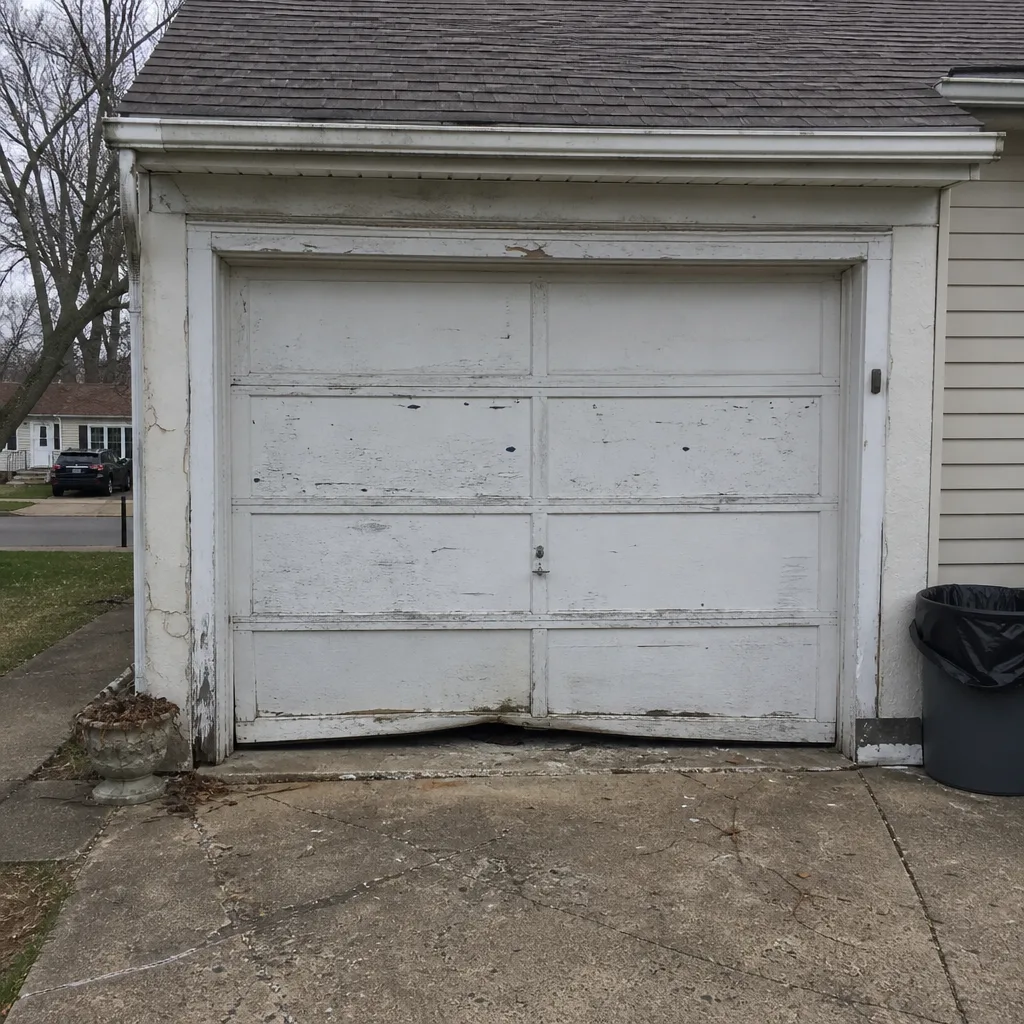 Before
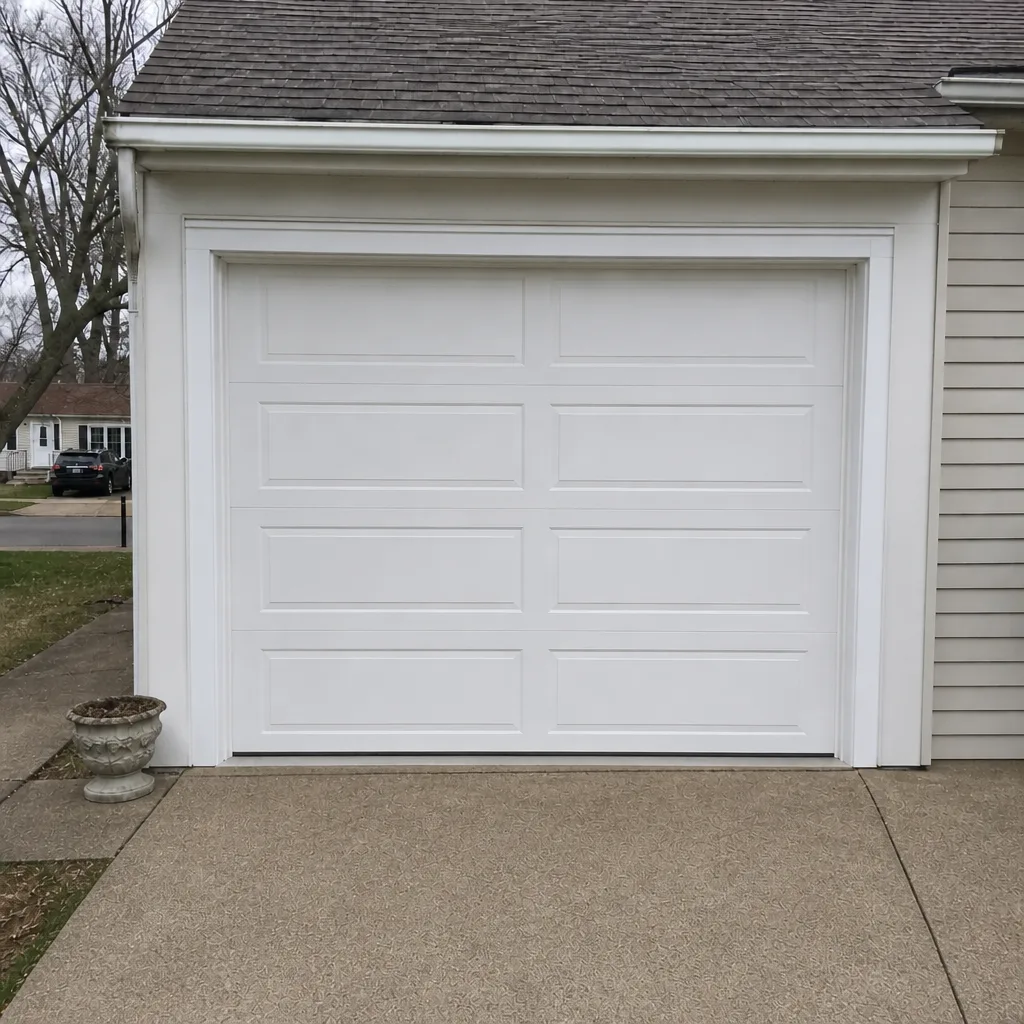 After
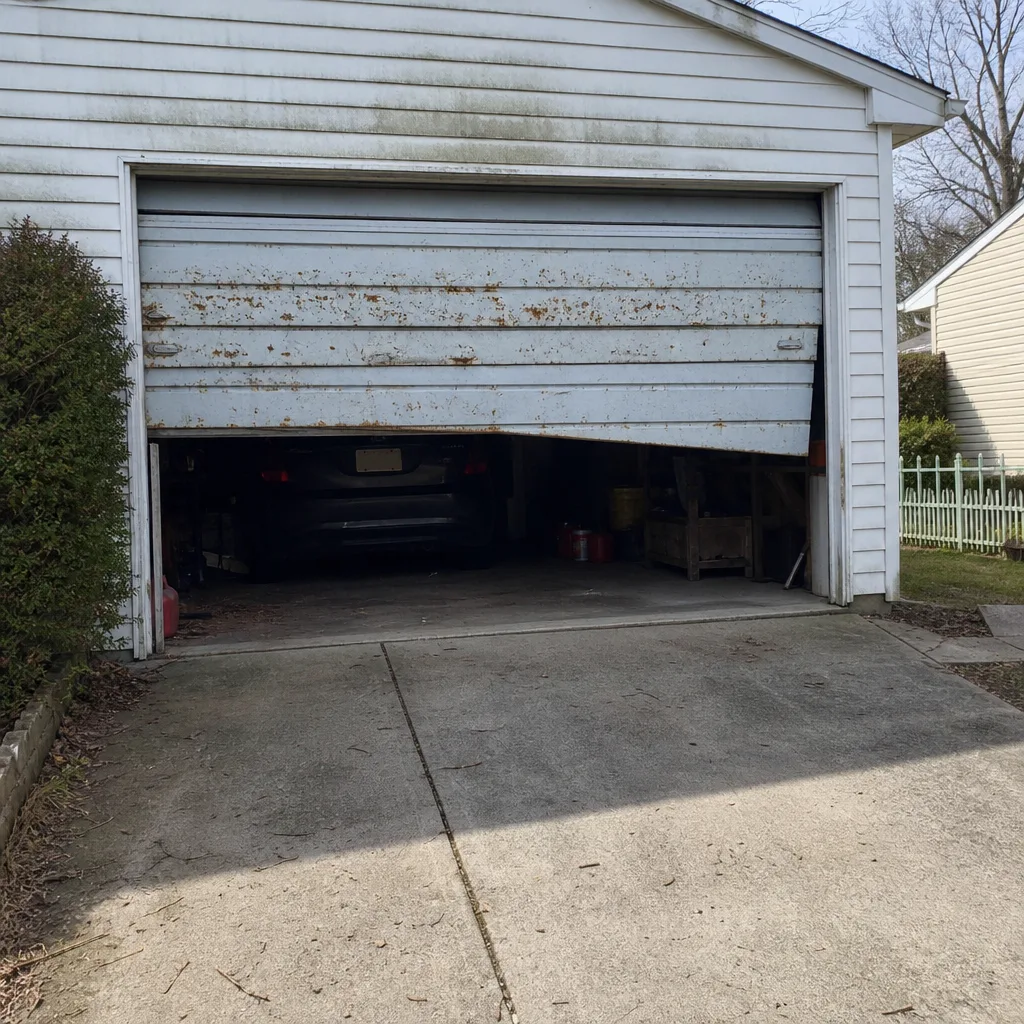 Before
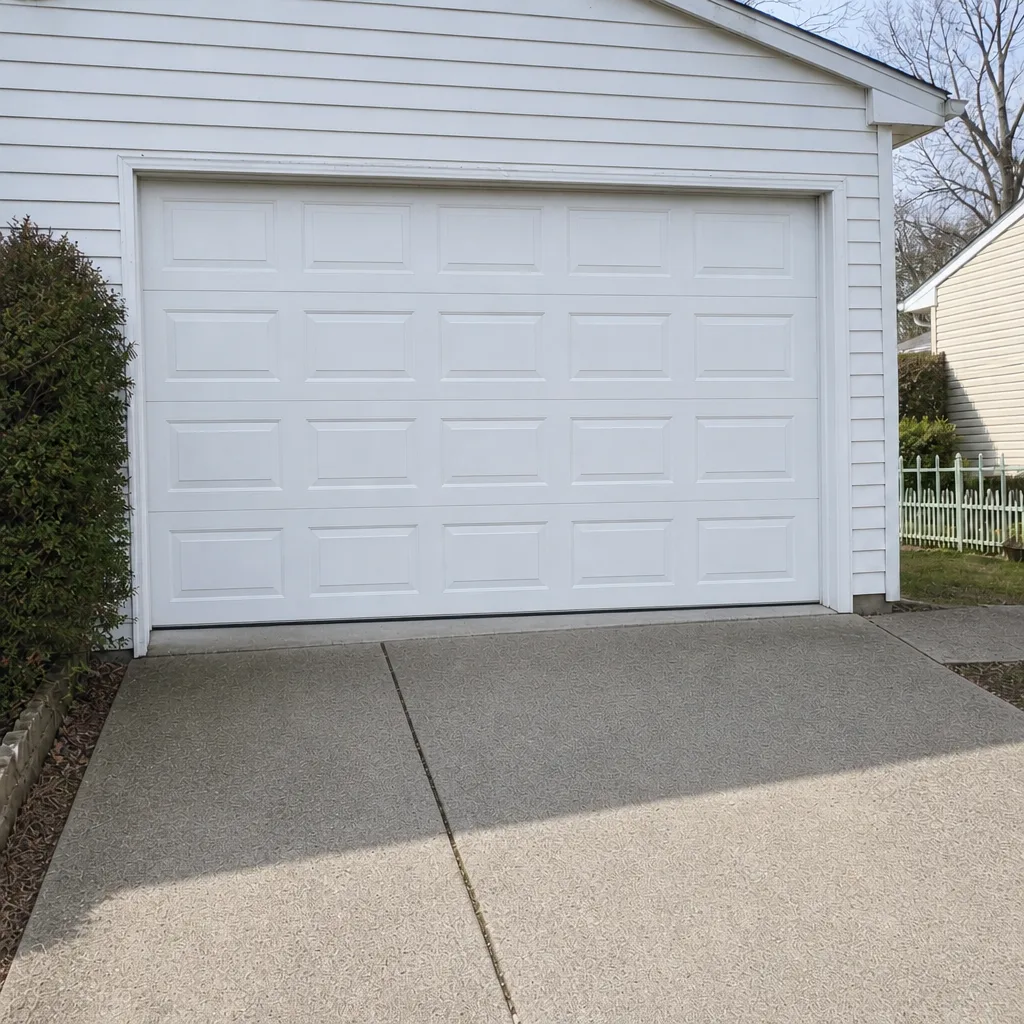 After
When to Call a Professional
Some garage door questions are paperwork and some are safety. A permit question belongs with the township. A door that won’t open, a spring that snapped, a cable that’s frayed, or an opener that’s failed is a different matter, and it belongs with a technician who works on your brand. That’s true whether the door is a Clopay, an Amarr, a Wayne Dalton, or a Raynor, and whether the opener is a LiftMaster, a Chamberlain, a Genie, or a Craftsman. Cherry Hill Garage Door Repair Pros offers free estimates in Cherry Hill, and we can tell you at the measure whether your project needs a permit and whether it’s a repair, a replacement, or a new installation. Call (833) 772-5404 for a free estimate. For the overall picture of what we do, our Cherry Hill Garage Door Repair Pros page covers the full scope.
Frequently Asked Questions
Usually no, if you’re replacing a door of the same size and type in the same opening. That’s a replacement-in-kind and is generally treated as routine maintenance. But if the opening size, location, or framing is changing, or if the fire separation between an attached garage and the house is affected, a permit is required. Call Cherry Hill Township’s construction office to confirm your specific scope before ordering a door. Call (833) 772-5404 if you’d like us to walk the job with you first; estimates are free.
Generally no. An opener installation or replacement is treated as a component swap, not construction work. There are exceptions if the job involves new electrical circuits or changes to how the opener is wired into the home’s electrical system, and in those cases the electrical work itself may need a permit. Ask the township if you’re unsure. Our garage door opener repair service covers the mechanical and electrical side of the opener itself, and we’ll flag anything that might cross into permit territory. Call (833) 772-5404 for an exact quote; estimates are free.
Sometimes nothing, and sometimes it becomes a problem at the worst possible time. Unpermitted work can complicate a homeowner’s insurance claim if the insurer asks about the scope and inspection history, and it can delay a closing if a buyer’s inspector or title search flags missing permit records. The usual remedy is to have the work retroactively inspected and the permit closed out, which takes time. Getting it right up front is much simpler. Call your township construction office to see what’s on record for your property, and call (833) 772-5404 if you need a door looked at.
Either one can pull it in New Jersey, but it matters who does. When the contractor pulls the permit, the contractor is on record as responsible for the work and for scheduling the inspection. When the homeowner pulls it, the homeowner carries that responsibility. For most homeowners, having the contractor pull the permit is the cleaner choice, and it should be spelled out in the written estimate. Call (833) 772-5404 to talk through your project; estimates are free.
In most cases, yes. The wall and pedestrian door between an attached garage and living space form part of the home’s fire separation, and that assembly has a fire-resistance rating that must be maintained. A hollow-core interior door isn’t the right choice for that location. Self-closing and self-latching hardware is commonly required so the door doesn’t get left open. Replacing that door is usually a permit-and-inspection item. Verify the specific requirement with Cherry Hill Township’s construction office before you buy a replacement. Call (833) 772-5404 for a free estimate on the door work.
It can, especially if the buyer’s inspector or title search surfaces the missing record. Unpermitted work has delayed closings for Cherry Hill homeowners in the past while the work was retroactively inspected and the permit was closed out. The fix is doable, but it happens under deadline pressure, which is the worst time for it. The clean path is to confirm permit requirements before any structural garage door work and keep the closed permit with your home records. Call (833) 772-5404 if you’d like an estimate on repair or replacement.
The Bottom Line
Permits for garage door work in Cherry Hill follow a clear logic once you break it down. Replacement-in-kind in the same opening usually doesn’t need one. Any change to the opening, the framing, the header, or the fire separation between an attached garage and the house does. Opener installation is normally a component swap, not a permit item. Either the contractor or the homeowner can pull the permit, and having the contractor do it keeps responsibility where the work is. Unpermitted work can complicate an insurance claim and delay a resale closing, and the fire-rated door between an attached garage and living space is the rule most homeowners learn about at inspection rather than before. When in doubt, call the township; the answer is free and the record is worth keeping.
Written by the team at Cherry Hill Garage Door Repair Pros.