Last updated November 23, 2026
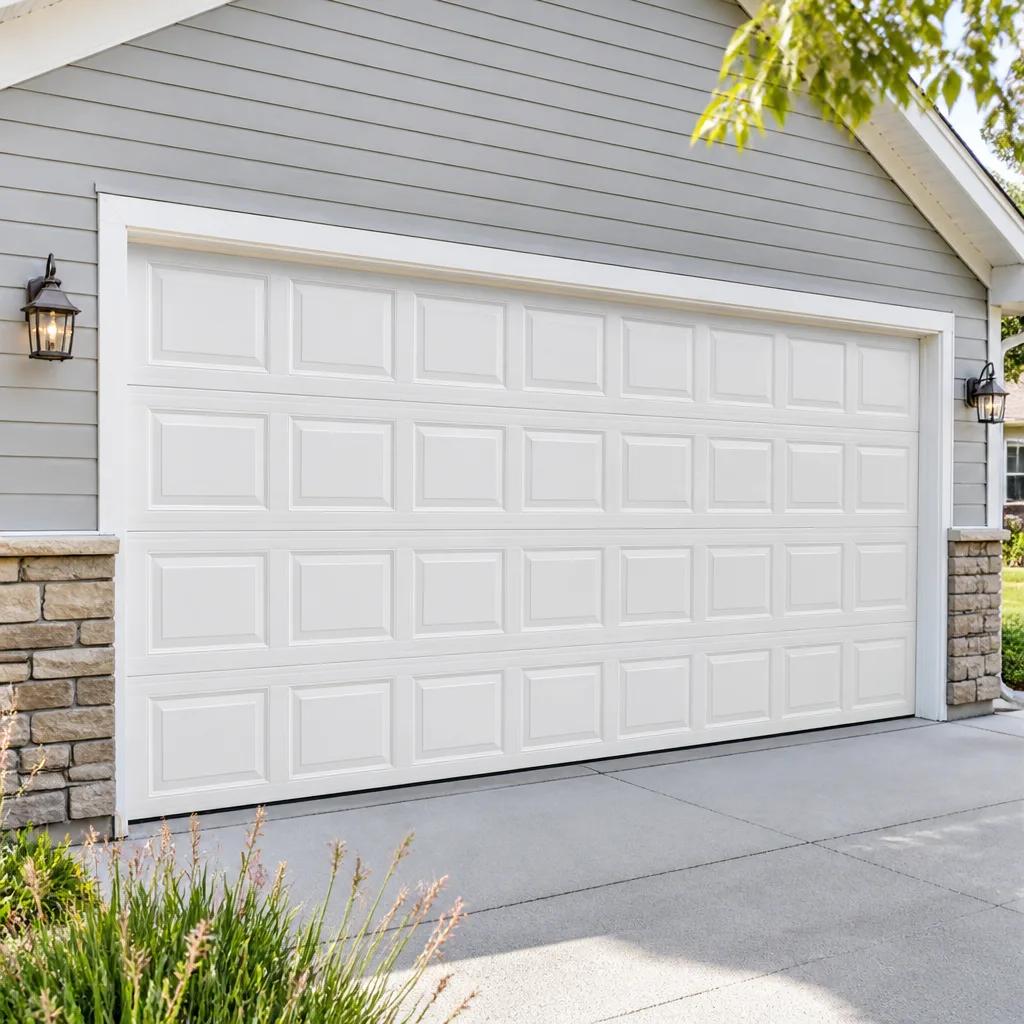 Raised-panel steel
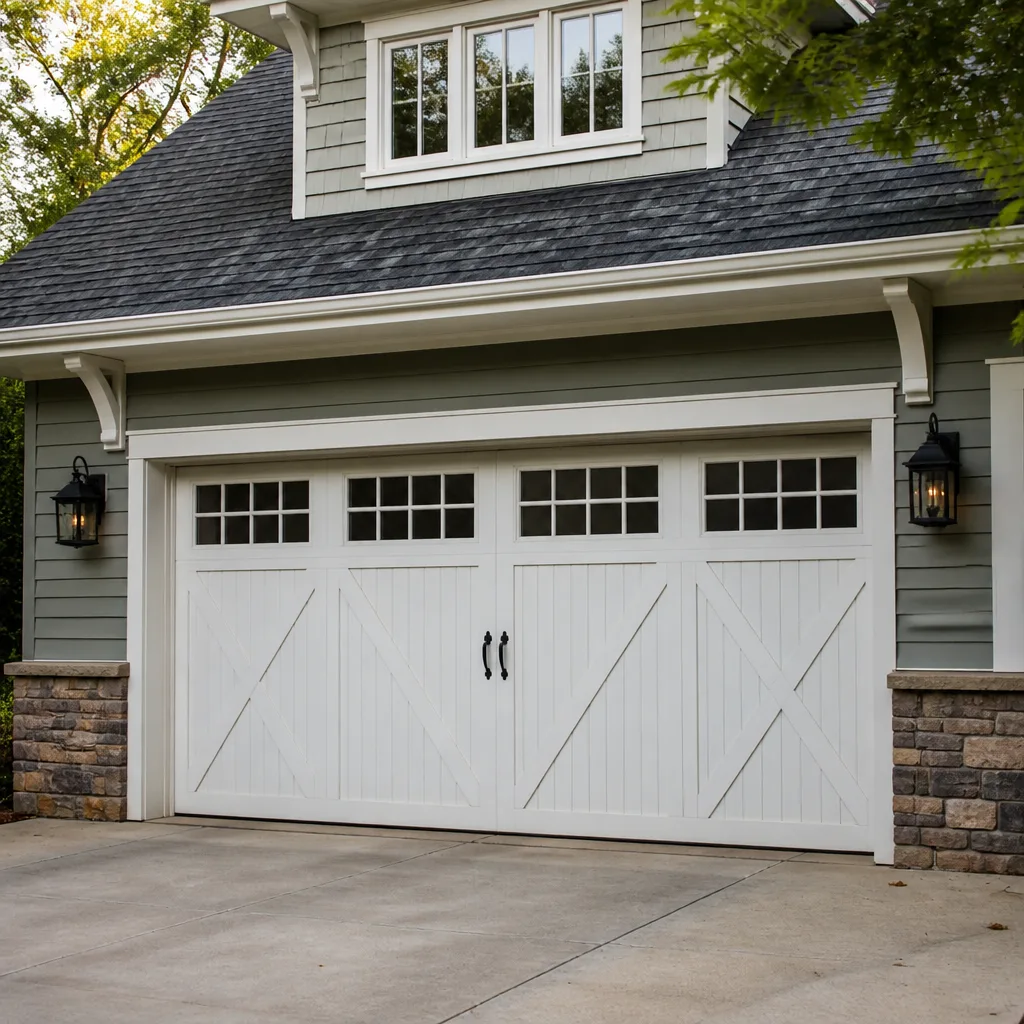 Carriage house
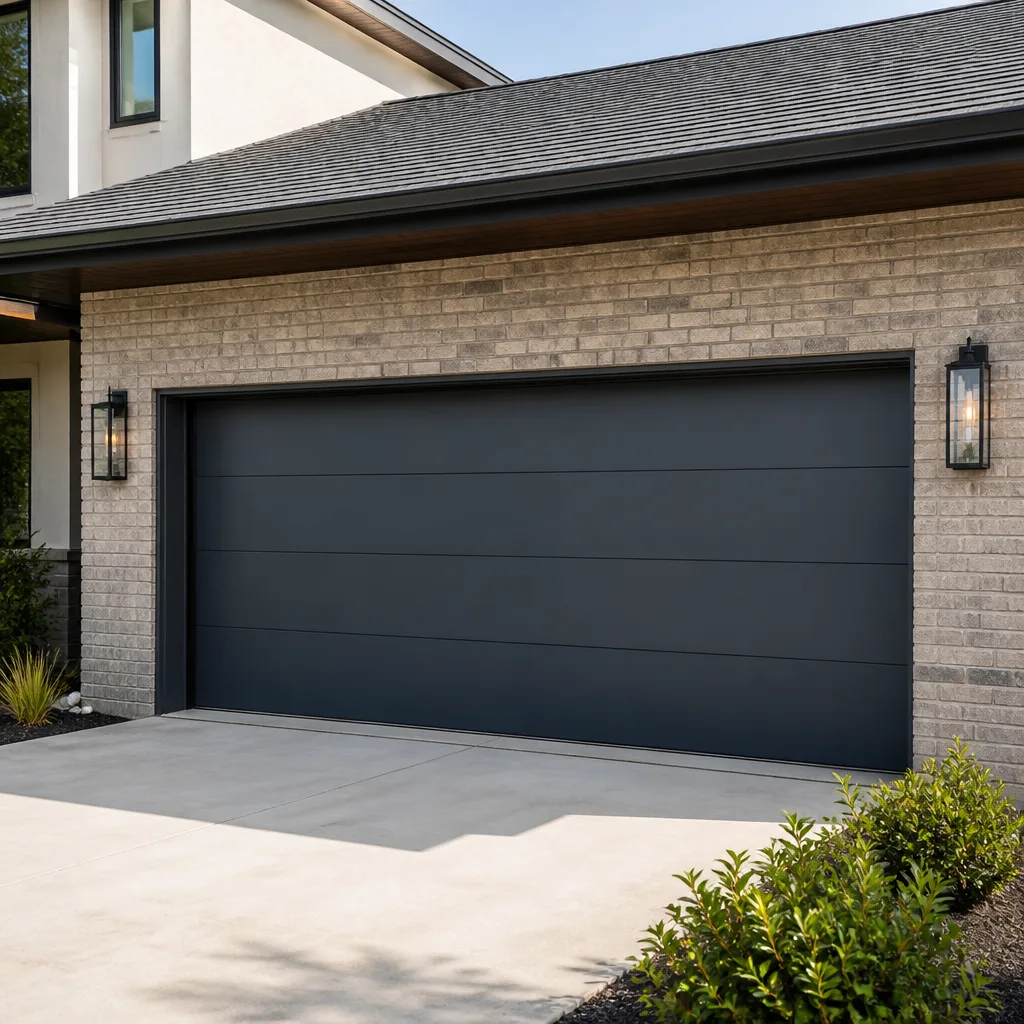 Modern flush
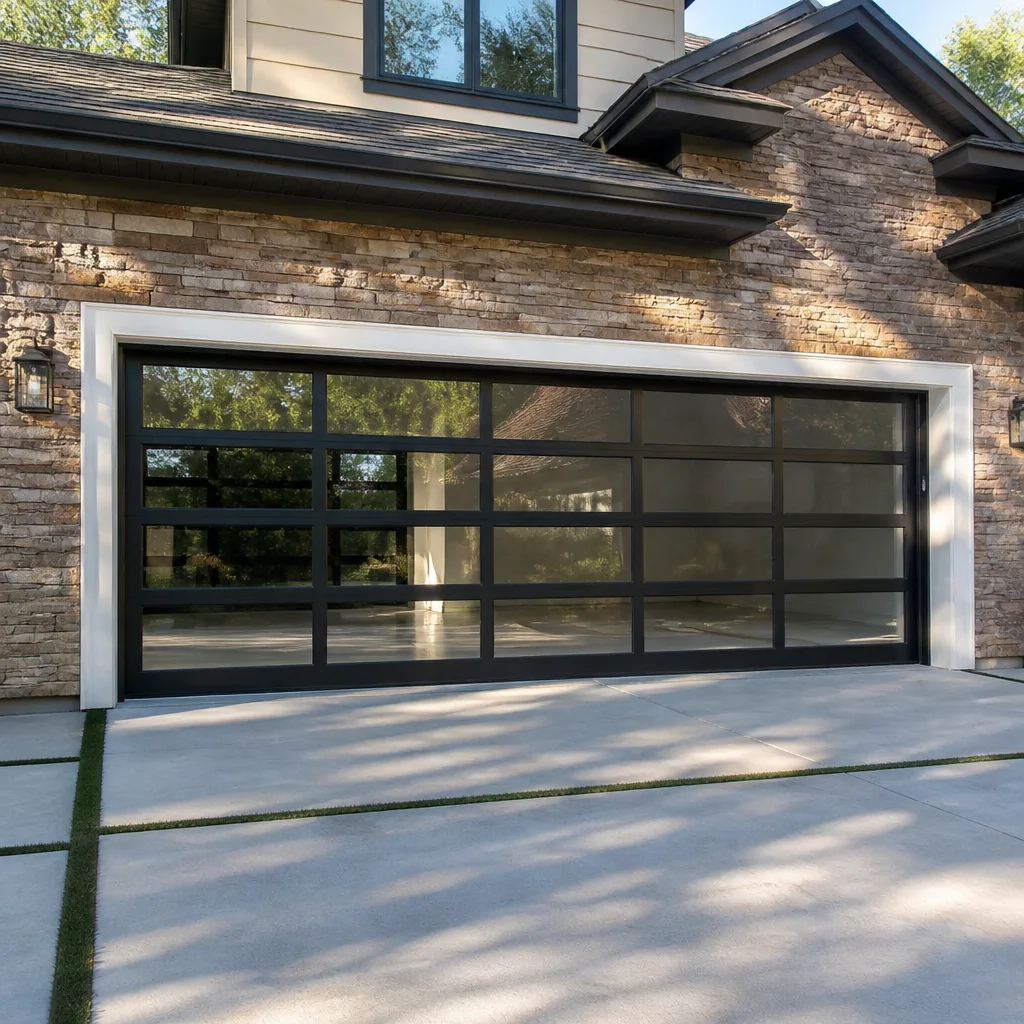 Full-view glass
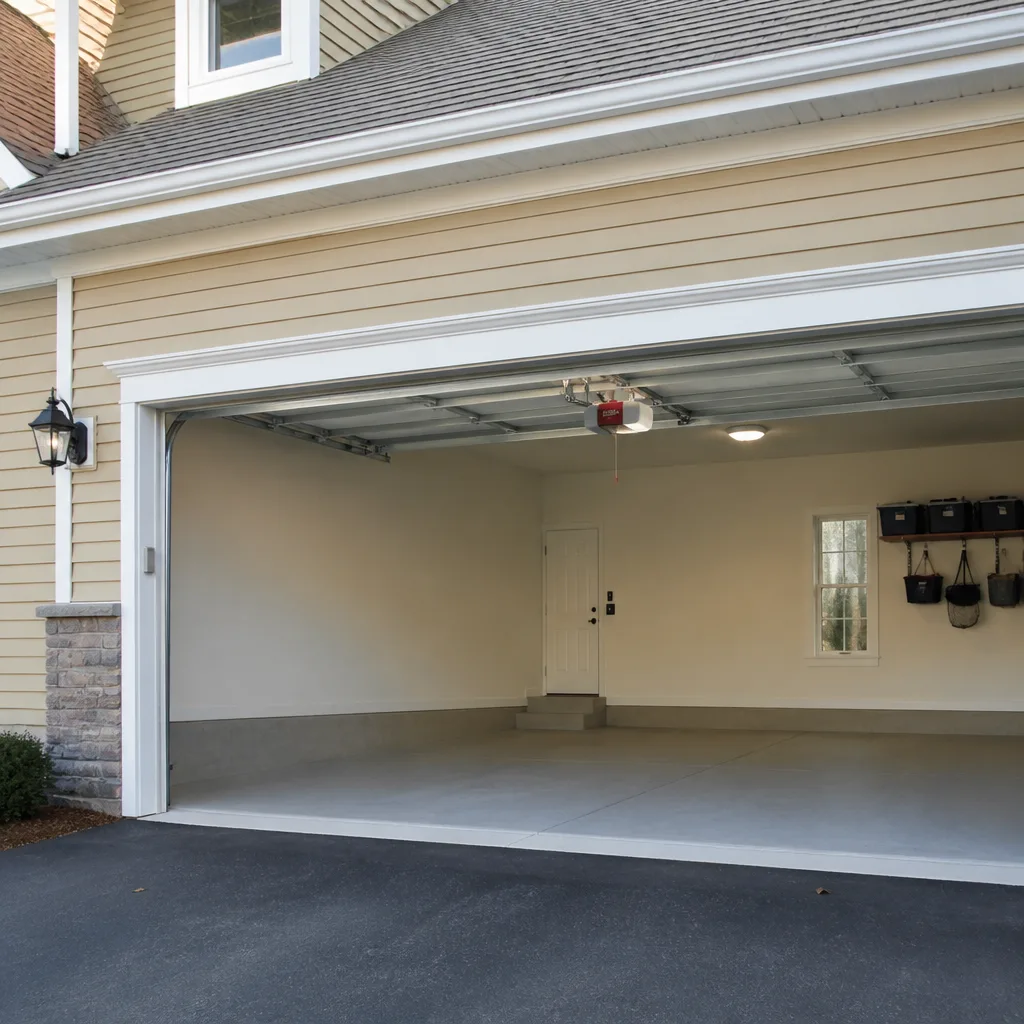 LiftMaster openers
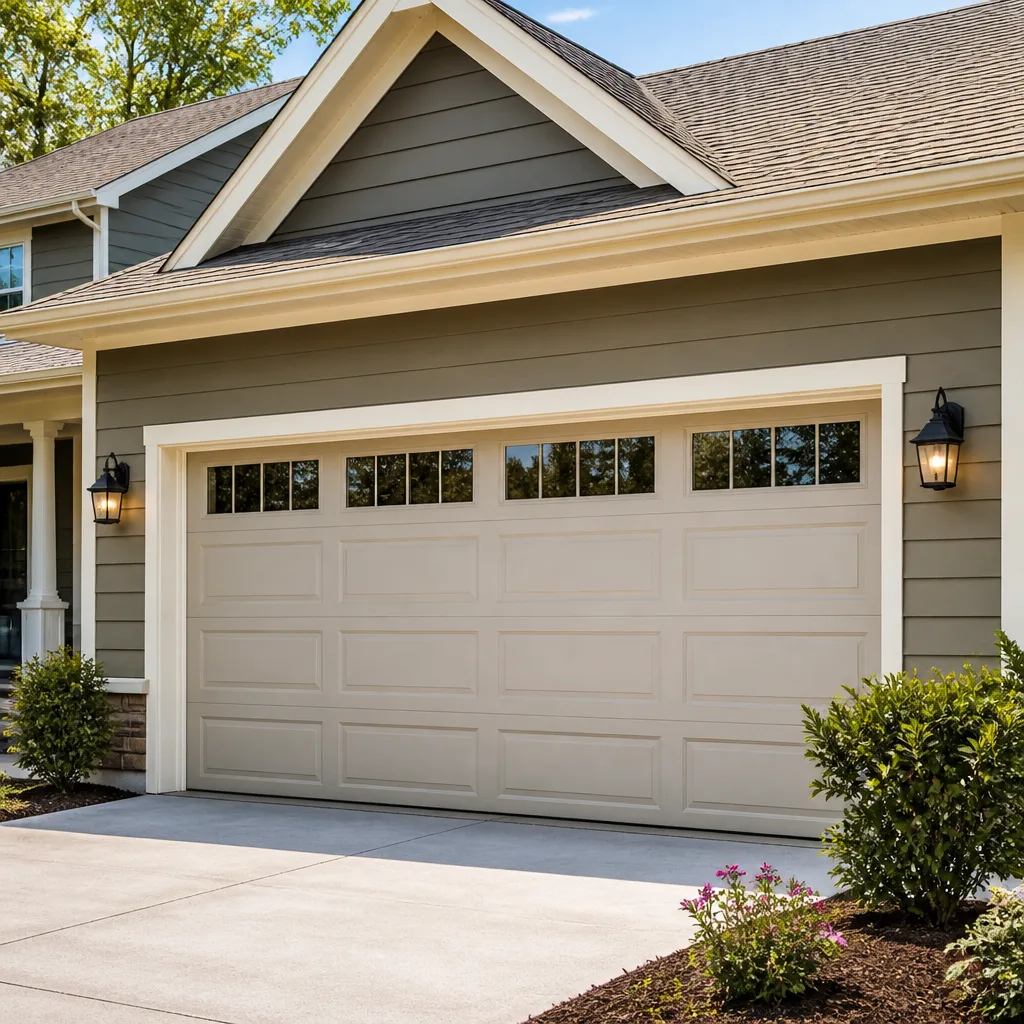 Chamberlain openers
Full 25-point door and opener safety check with every visit - springs, cables, rollers, tracks, and your LiftMaster or Chamberlain opener included
You get a price before we start. It does not change when the pro arrives.
Get your free estimateSeasonal Garage Door Care for Cherry Hill: Year-Round Homeowner’s Guide
The garage door call that spikes every January in South Jersey usually isn’t a snapped spring. It’s a bottom seal that dried, cracked, and pulled away from the door back in November, then froze solid to the concrete the first time the temperature dropped into the teens. A single annual checkup won’t catch that, because the problem starts months before it shows up. Cherry Hill sits in a climate that hands your door four genuinely different kinds of stress – freeze-thaw swings, summer humidity, fall debris, and winter road salt – and each one does its damage on its own schedule. This guide maps the right maintenance to the right season, so you’re fixing small things before they turn into repair calls.
Styles & brands we work with
- Raised-panel steel
- Carriage house
- Modern flush
- Full-view glass
- LiftMaster openers
- Chamberlain openers
Quick Answer
Garage door maintenance in Cherry Hill works best when it’s split into four seasonal jobs rather than one annual tune-up. Fall is for sealing, tightening, and prepping for freeze-thaw; spring is for inspecting what winter salt and ice did to tracks, cables, and hardware; summer is for checking wooden panels, weather stripping, and opener sensitivity in high humidity; winter is for keeping the door moving through freeze-thaw swings with a cold-rated lubricant and a clean bottom seal. The single best habit is matching each task to the season that actually causes the problem.
Table of Contents
- Why Seasonal Timing Beats an Annual Tune-Up in Cherry Hill
- Fall: The 20-Minute Pre-Winter Checklist
- Winter: Surviving Cherry Hill’s Freeze-Thaw, Not Deep Freeze
- Spring: Post-Salt-Season Inspection Priorities
- Summer: Humidity, Wooden Panels, and Opener Sensitivity
- Temperature-Specific Lubrication: What Works in July Fails in February
- The Five-Minute Monthly Door Check
- Common Mistakes to Avoid
- When to Call a Professional
- Frequently Asked Questions
- The Bottom Line
Why Seasonal Timing Beats an Annual Tune-Up in Cherry Hill
Most garage door advice says “service it once a year.” That’s the wrong frame for Cherry Hill, because a single appointment can only catch whatever has already gone wrong on the day the technician shows up. It can’t catch the bottom seal that’s starting to stiffen in late October, or the track bolt that salt spray loosened over the winter, or the wooden panel that soaked up three humid weeks in August. Seasonal care isn’t about doing more. It’s about doing the right thing at the point where it actually prevents a failure.
The climate here is the reason. Cherry Hill doesn’t sit in sustained deep cold the way northern New England does. What we get is a freeze-thaw pattern: temperatures drop below freezing overnight, rise above it by afternoon, and swing back down by morning, over and over through the winter. Every one of those swings moves the ground slightly. Concrete slabs heave and settle a fraction. A bottom seal that’s still pliable in summer becomes brittle and rigid by the first hard freeze, and a rigid seal pressed against heaving concrete will tear or pull loose. The same cycle nudges track alignment. This is a different kind of stress than a climate that just stays cold, and it needs a different maintenance rhythm.
Break the year into what each season actually does to a garage door in Cherry Hill:
- Fall – leaves, seed pods, and grit work into the tracks and hinges; the first cold nights test the bottom seal.
- Winter – freeze-thaw cycles, road salt tracked onto the slab, and cold that stiffens grease into paste.
- Spring – the damage from winter becomes visible: corroded hardware, loose fasteners, dried-out seals.
- Summer – high humidity swells wooden panels, loosens weather stripping adhesive, and shifts opener sensitivity.
None of those problems peak at the same time. That’s why a September tune-up tells you almost nothing about how the door will behave in February – and why a February repair call often traces back to something you could have caught in September. If you’d rather have a technician walk the whole system for you, Cherry Hill Garage Door Repair Pros handles inspections and repairs on doors of any age or brand.
Fall: The 20-Minute Pre-Winter Checklist
This is the most important season, and it’s the one homeowners skip. Fall is when the weather is mild, the days are still long enough to work outside comfortably, and the door is about to face its hardest stretch. Twenty minutes now prevents the two calls we get most often in December: a door that won’t close because the bottom seal has failed, and a door that binds because fall debris packed into the tracks and then froze.
Work through this in order:
- Clear the tracks. Leaves, seed pods, and grit collect in the vertical and horizontal tracks. Vacuum or brush them out, then wipe the inside channel with a damp cloth. A clean track lets the rollers roll instead of grinding against debris.
- Inspect the bottom seal. Squeeze it. A healthy seal is soft and springs back. If it’s stiff, cracked, or has a visible gap when the door is down, replace it before the first hard freeze – not after.
- Tighten the track fasteners. Check the bolts that hold the tracks to the jambs and the ceiling. Hand-tight is not enough; they need to be snug so a small freeze-thaw ground shift doesn’t knock the track out of plumb.
- Check balance. Disconnect the opener, lift the door halfway, and let go. It should stay in place. If it drops, the spring tension needs attention – don’t try to adjust it yourself. Call for garage door spring repair.
- Test the auto-reverse. Put a roll of paper towels under the closing door and confirm it reverses. This is a safety check, not a convenience one.
- Lubricate with a cold-weather product (more on this below). What you apply in October needs to still be fluid in February.
Cherry Hill neighborhoods with a lot of mature trees – the older streets around Erlton and the blocks near Cooper River Park – see more fall debris than newer subdivisions. If a mature maple or oak overhangs your driveway, plan on clearing those tracks more than once before winter.
Winter: Surviving Cherry Hill’s Freeze-Thaw, Not Deep Freeze
Here’s the counterintuitive part: Cherry Hill’s winter is harder on bottom seals and track alignment than a place that stays cold all season. A sustained deep freeze keeps things frozen and stable. Freeze-thaw keeps moving. The seal flexes and the concrete moves, and the interface between them is where problems start.
Winter tasks that actually matter:
- Keep the bottom seal dry and clear of ice. Once ice bonds the seal to the slab, opening the door tears it. Scrape the apron in front of the door after a snow or ice event rather than yanking the opener.
- Use the manual release sparingly in a hard freeze. If the door feels stuck, don’t force it with the opener. Forcing a frozen seal can pop a cable or bend a track.
- Watch for road salt tracked onto the slab. Treated roads mean salt ends up in the garage, and salt on a steel track or a hinge is the start of corrosion. Wipe the slab and the lower track area when you notice salt residue.
- Listen. A door that grinds, squeals, or moves unevenly in cold weather is telling you something. Cold thickens lubricant and stiffens seals – the noise is the symptom.
If a door won’t open or close in the middle of a cold snap, that’s an emergency, not a convenience problem. A door that won’t close leaves the house open to the weather and to anyone who tries the handle. We treat emergency calls that way – same-day service, fast dispatch from 7am to 7pm. Call (833) 772-5404 and we’ll get someone out.
Spring: Post-Salt-Season Inspection Priorities
By the time the last snow melts, your garage door has spent a winter within a few feet of treated roads. Road salt is the quiet culprit behind a lot of spring repairs. It doesn’t just sit on the driveway – it gets tracked onto the garage floor, splashed up onto the lower tracks, and carried on the rollers. Salt accelerates corrosion on steel track, cables, and hinge hardware faster than ordinary moisture does.
Spring priorities, in order:
- Inspect the lower tracks and hinges for corrosion. Look for the powdery orange residue on the bottom six inches of track and on hinge plates. Surface corrosion is manageable; deep pitting on a cable or a track means replacement.
- Check the cables. Run your eye (not your hand) along the length of each cable. Fraying, kinks, or rust on the strands is a red flag. Cables are under tension and are genuinely dangerous – don’t handle them yourself.
- Re-check track alignment. The winter’s ground movement may have nudged a track out of plumb. A door that shifted slightly to one side or has a gap on one corner at closing is a sign.
- Clean and relubricate. Strip the old winter-thickened lubricant from the rollers and hinge points and apply fresh. Spring is the reset point.
- Wash the lower panels. Salt residue on the panel surfaces shortens the life of the finish, especially on steel doors. A mild soap-and-water wash does more than most people expect.
Spring is also when we start getting garage door repair calls for problems that winter set in motion but didn’t show up until the thaw. If you notice any of the signs above, a spring inspection is worth the call.
Summer: Humidity, Wooden Panels, and Opener Sensitivity
South Jersey summers bring a stretch of high humidity, and a garage door reacts to it. The three systems that shift in summer are wooden panels, weather stripping, and your opener’s sensitivity settings.
Wooden panels. If you have a wood door – many older Cherry Hill homes still have them – humidity causes the panels to swell. A door that fit smoothly in April can bind in July. Watch for a door that closes unevenly or scrapes. The fix isn’t always to sand anything down; sometimes it’s adjusting the track or hardware to accommodate the seasonal swell. Clopay and Amarr both make wood-look and genuine-wood doors, and each behaves differently in humidity – another reason brand familiarity matters when a technician shows up.
Weather stripping. High humidity softens the adhesive backing on perimeter weather stripping, and heat cycles make it worse. If stripping is peeling at the top corners or along the sides, it’s not a cosmetic issue – gaps let water in. Check it in summer before it fails in fall.
Opener sensitivity. Most modern openers – Chamberlain and Genie systems especially – have force and travel-limit settings that were tuned to your door when it was installed or last serviced. When a wooden door swells, the force setting that worked in spring can register as an obstruction, and the door reverses before it reaches the floor. If your door reverses partway down in humid weather with nothing under it, it’s often a sensitivity setting, not a broken door. We handle that kind of calibration routinely – see garage door opener repair.
One summer habit worth keeping: check that your garage stays ventilated. A closed, unventilated garage traps humidity, and the door’s wooden and steel components sit in it all day.
Temperature-Specific Lubrication: What Works in July Fails in February
This is the single most overlooked piece of seasonal care, and it’s where a lot of winter failures start. The lubricant that’s perfect in July – a standard grease or a light oil – can thicken into paste in a February cold snap. When it thickens, the rollers stop rolling and start dragging. The door gets louder, the opener works harder, and the springs take the extra load.
What to know:
- Use a cold-rated lubricant. A garage door lubricant should stay fluid at temperatures well below freezing. Many general-purpose greases don’t.
- Apply it to the right places: roller bearings and stems, hinge pivots, and the bearing plates at the ends of the torsion spring (never the spring coils themselves).
- Don’t over-lubricate. A thin film on each moving point is enough. Excess lubricant attracts grit, and grit in a track does more damage than dryness.
- Re-lubricate in fall, not just spring. A fall application is what carries you through the cold stretch. If you only lubricate once a year, do it in October, not April.
- Keep lubricant off the tracks. Track channels should be clean and dry – lubricant in a track collects dirt and creates a grinding paste.
If your door gets noticeably louder or slower when the temperature drops below freezing, the lubricant is usually the first thing to check.
The Five-Minute Monthly Door Check
Between seasonal maintenance, a monthly five-minute check catches problems early. It doesn’t replace the seasonal work – it catches drift before it becomes a repair.
- Open and close it once and listen. Grinding, squealing, or a door that moves unevenly is worth a closer look.
- Look at the gap at the bottom. A visible gap when the door is closed means the seal or the travel limit needs attention.
- Test the auto-reverse. Paper-towel roll under the door; confirm it reverses.
- Look at the tracks for debris or anything bent.
- Check that the door is balanced – disconnect the opener, lift halfway, and confirm it stays.
That’s it. Five minutes a month built on top of the seasonal work above handles most of what a garage door needs to stay working through a Cherry Hill year.
Common Mistakes to Avoid
- Waiting for the door to fail before servicing it. A garage door gives warning signs – noise, uneven movement, a visible bottom gap – long before it stops working. Ignoring them turns a small repair into a bigger one.
- Using WD-40 or a general-purpose oil on the rollers. These thin out and evaporate quickly and don’t hold up in cold. Use a dedicated cold-rated garage door lubricant.
- Trying to adjust the torsion spring or cables yourself. A torsion spring is under enough tension to cause serious injury if it lets go. This isn’t a DIY task, and no YouTube video makes it one.
- Assuming winter damage is visible immediately. Salt corrosion and track misalignment often don’t show symptoms until spring. A post-salt-season inspection is the only reliable way to catch it.
- Replacing the bottom seal with the cheapest generic option. A seal that isn’t rated for cold temperatures will stiffen and fail again the first winter. Match the seal to the climate.
- Ignoring a door that reverses partway in humid weather. That’s usually a sensitivity setting, not a failing door – but letting it continue means the door’s travel limits get further out of tune.
- Skipping the fall checklist because “fall is busy.” Twenty minutes in October prevents the two most common December calls. Cherry Hill’s freeze-thaw makes that checklist worth more than the annual tune-up it replaces.
When to Call a Professional
Some seasonal checks are homeowner tasks – clearing tracks, wiping salt residue, testing the auto-reverse. Others aren’t. Call a professional for any spring or cable issue, any door that’s unbalanced or binding, any corrosion on a cable, any opener that reverses with nothing in the way, and any track that’s visibly out of plumb. If the door won’t open or close at all, that’s an emergency call, not a scheduled one.
Cherry Hill Garage Door Repair Pros offers free estimates in Cherry Hill – call (833) 772-5404. Our technicians have up to 14 years of experience, and we work on doors and openers from LiftMaster, Chamberlain, Genie, Clopay, Amarr, Wayne Dalton, Craftsman, and Raynor. The written estimate sets the price, and we confirm the quote before any work starts.
Frequently Asked Questions
Twice a year, split by season: once in fall before the cold sets in and once in spring after salt season. Cherry Hill’s freeze-thaw winters and humid summers stress different parts of the door at different times, so a fall and spring servicing covers both. Add a five-minute monthly check between appointments.
Cold thickens ordinary lubricant, so rollers drag instead of rolling, and the seal stiffens and scrapes. The fix is usually a cold-rated lubricant applied in fall, plus cleaning the tracks. If the noise continues after lubricating, call (833) 772-5404 for a free estimate.
It accelerates corrosion on steel tracks, hinges, and cables faster than ordinary moisture does. Salt gets tracked onto the garage floor and splashed onto the lower tracks, and over a winter it can pit metal. A spring inspection and a wipe-down of the lower panels and tracks keeps it manageable.
Yes – lubricating rollers, hinges, and bearing plates is a reasonable homeowner task with a cold-rated door lubricant. Never lubricate the torsion spring coils, and never touch the springs or cables. If anything looks frayed or the door is unbalanced, call a professional.
Summer humidity swells wooden panels, and the opener’s force setting that worked in spring now registers the door as an obstruction. It’s usually a sensitivity issue, not a broken door. We can recalibrate the opener – call (833) 772-5404.
Yes. We service LiftMaster, Chamberlain, Genie, Clopay, Amarr, Wayne Dalton, Craftsman, and Raynor doors and openers. We diagnose on your existing equipment and source the correct parts the first time. Call (833) 772-5404 for a free estimate.
The Bottom Line
The right maintenance for a Cherry Hill garage door isn’t one annual tune-up – it’s four seasonal jobs matched to four different kinds of stress. Fall is for sealing and tightening before freeze-thaw. Winter is for keeping the seal and tracks moving through temperature swings. Spring is for inspecting salt and corrosion damage. Summer is for humidity, wooden panels, and opener sensitivity. The single highest-value habit is a cold-rated lubricant in October. The second is a 20-minute fall checklist. Together they prevent the calls that fill the winter schedule. When something’s beyond a check – a spring, a cable, an unbalanced door – call (833) 772-5404 for a free estimate.
Written by the team at Cherry Hill Garage Door Repair Pros.
See the difference
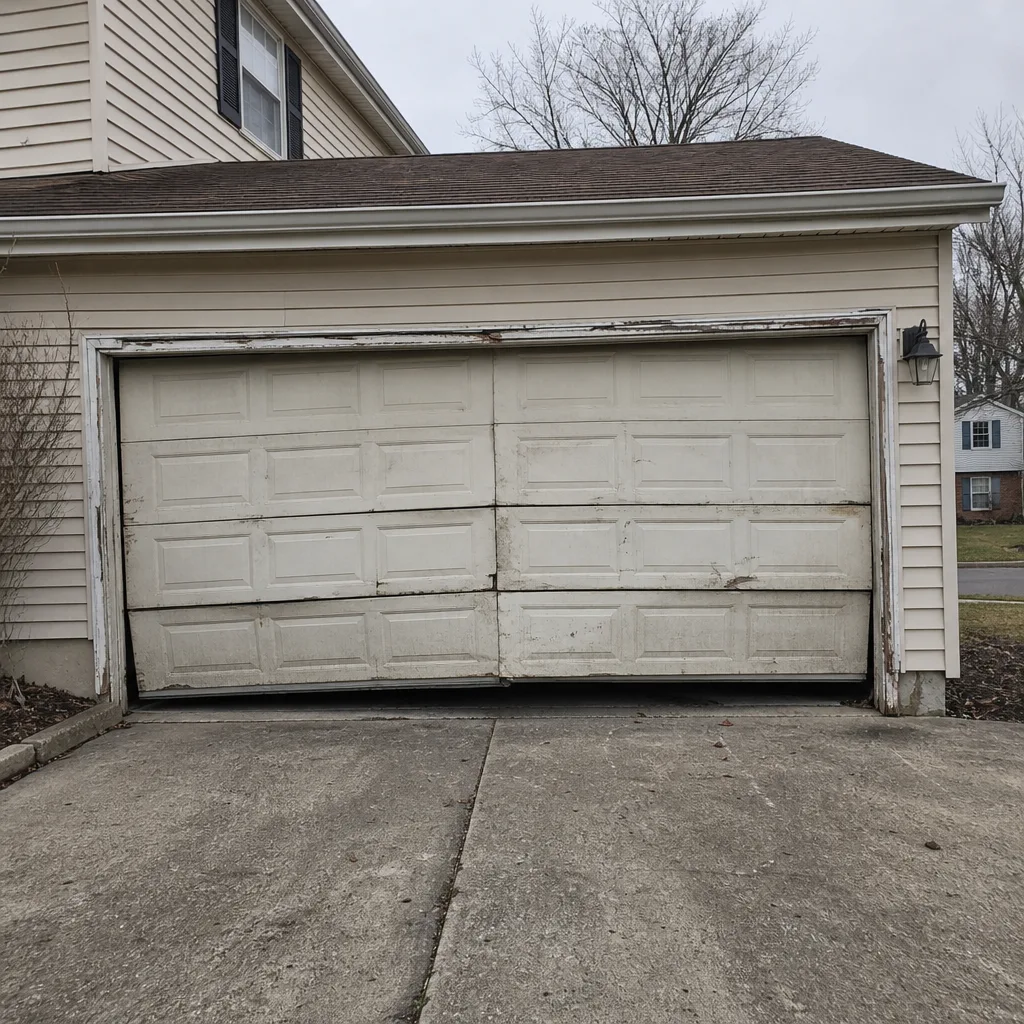 Before
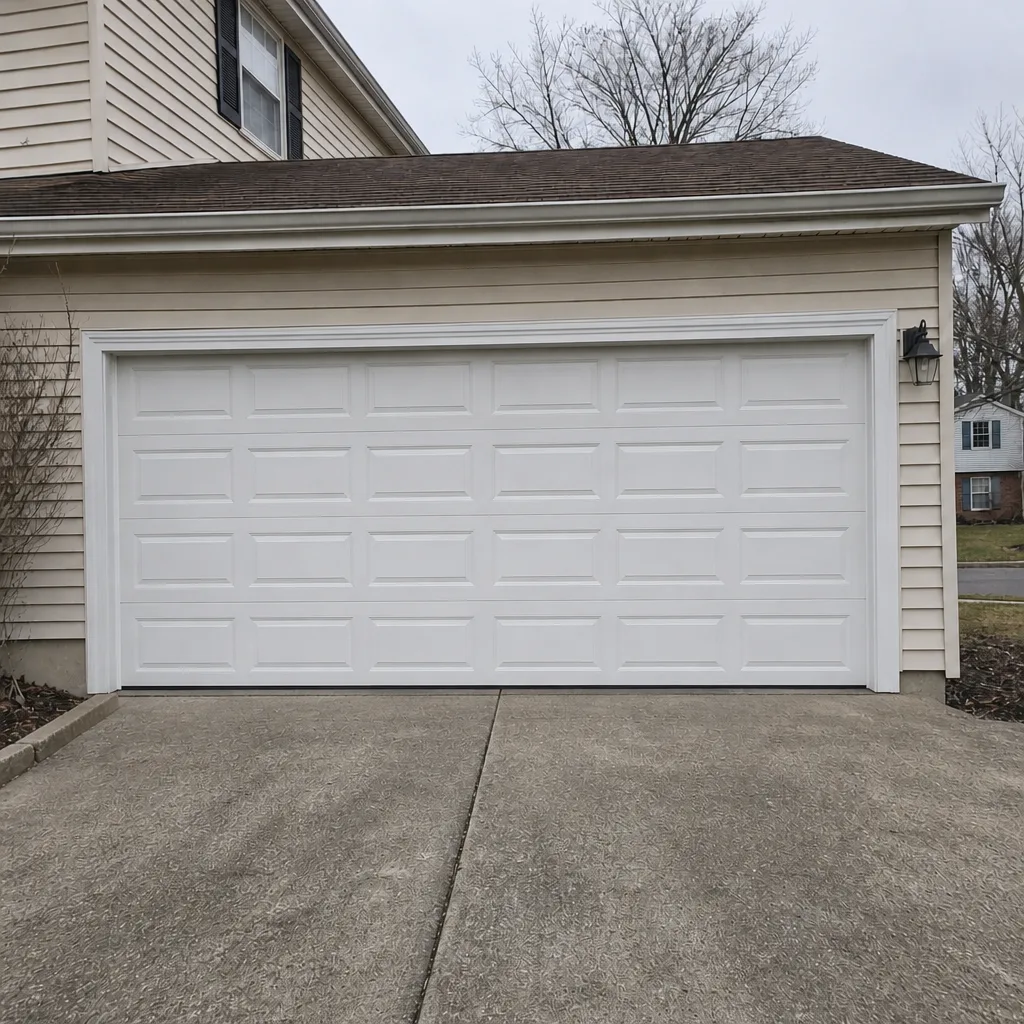 After
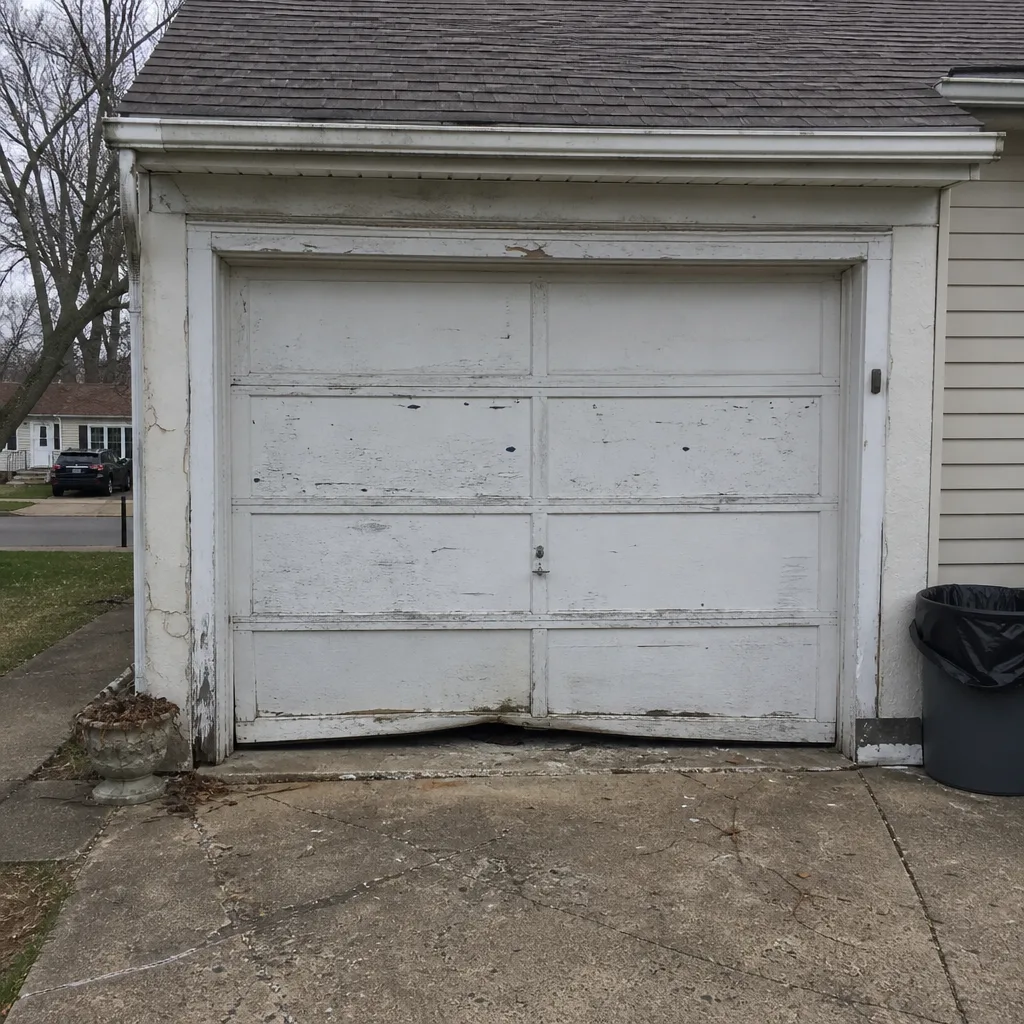 Before
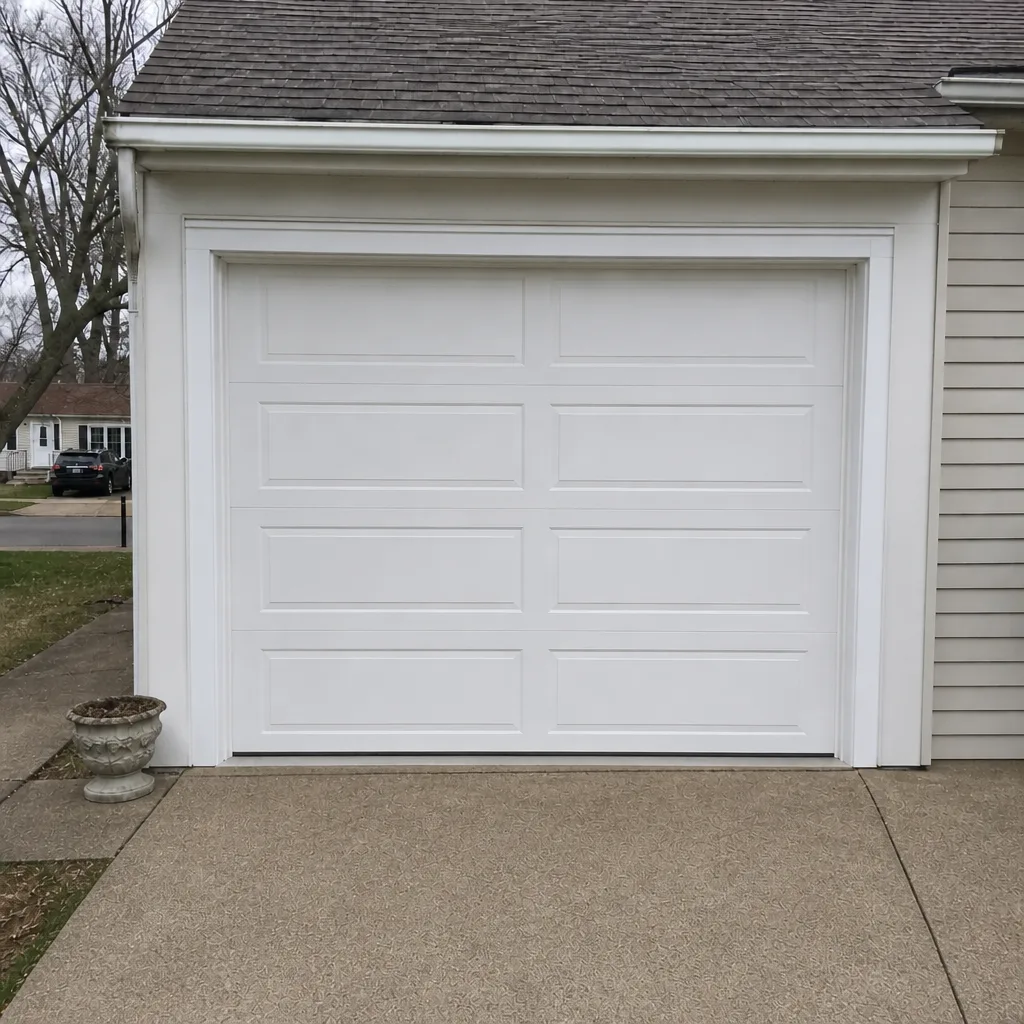 After
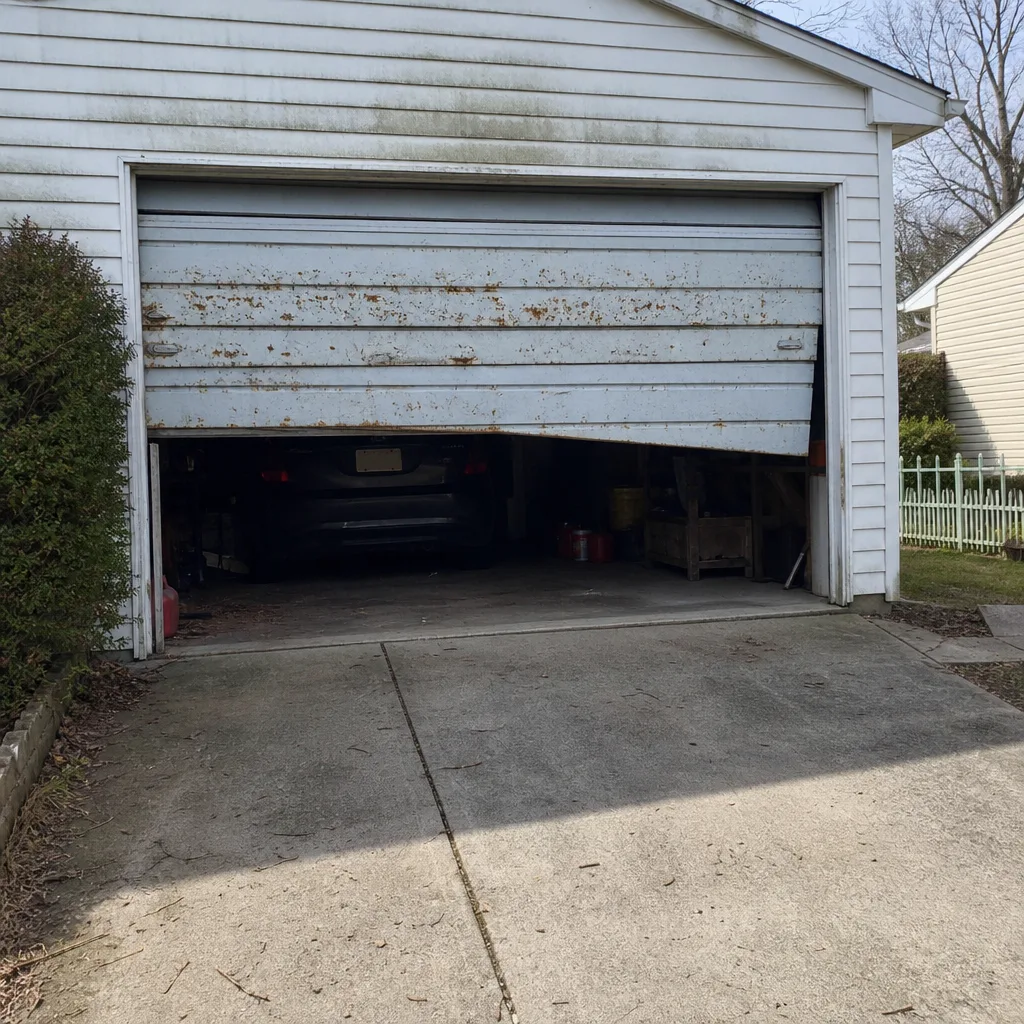 Before
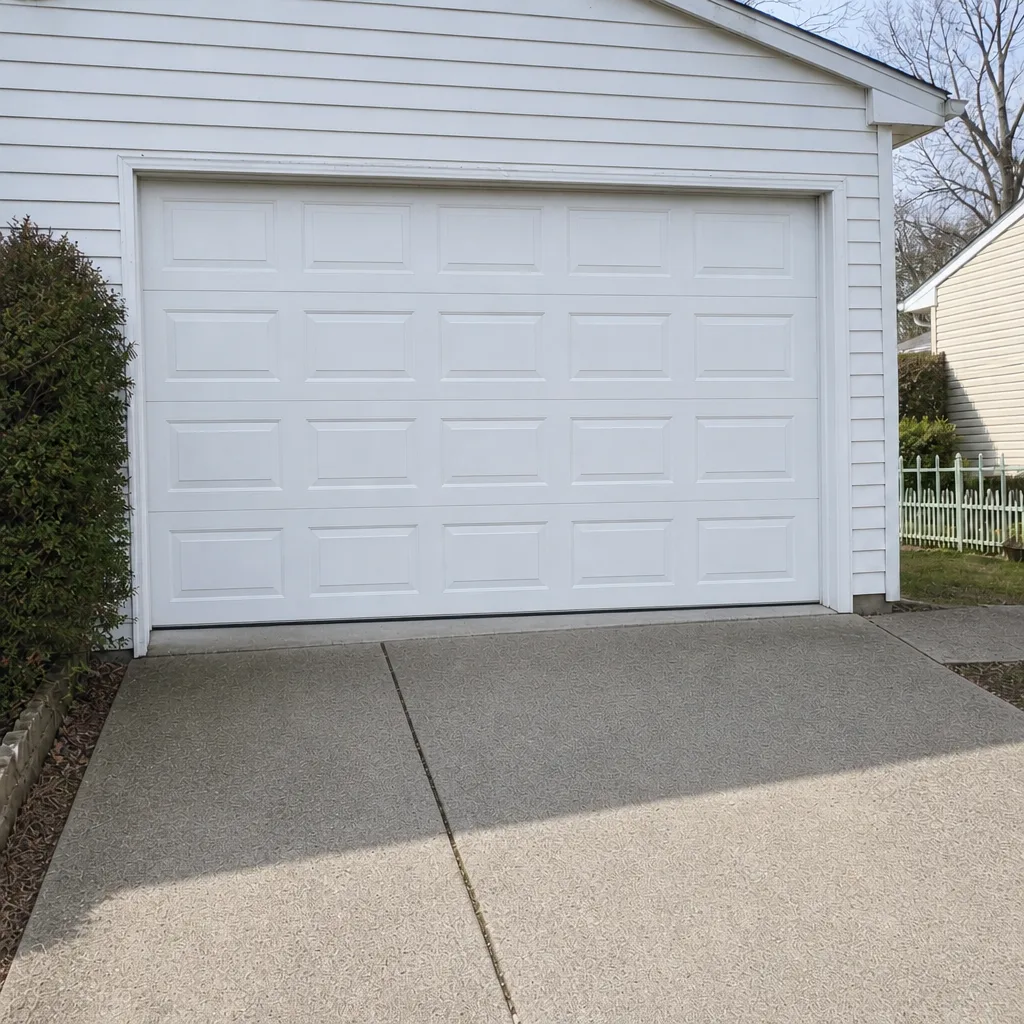 After