Last updated November 23, 2026
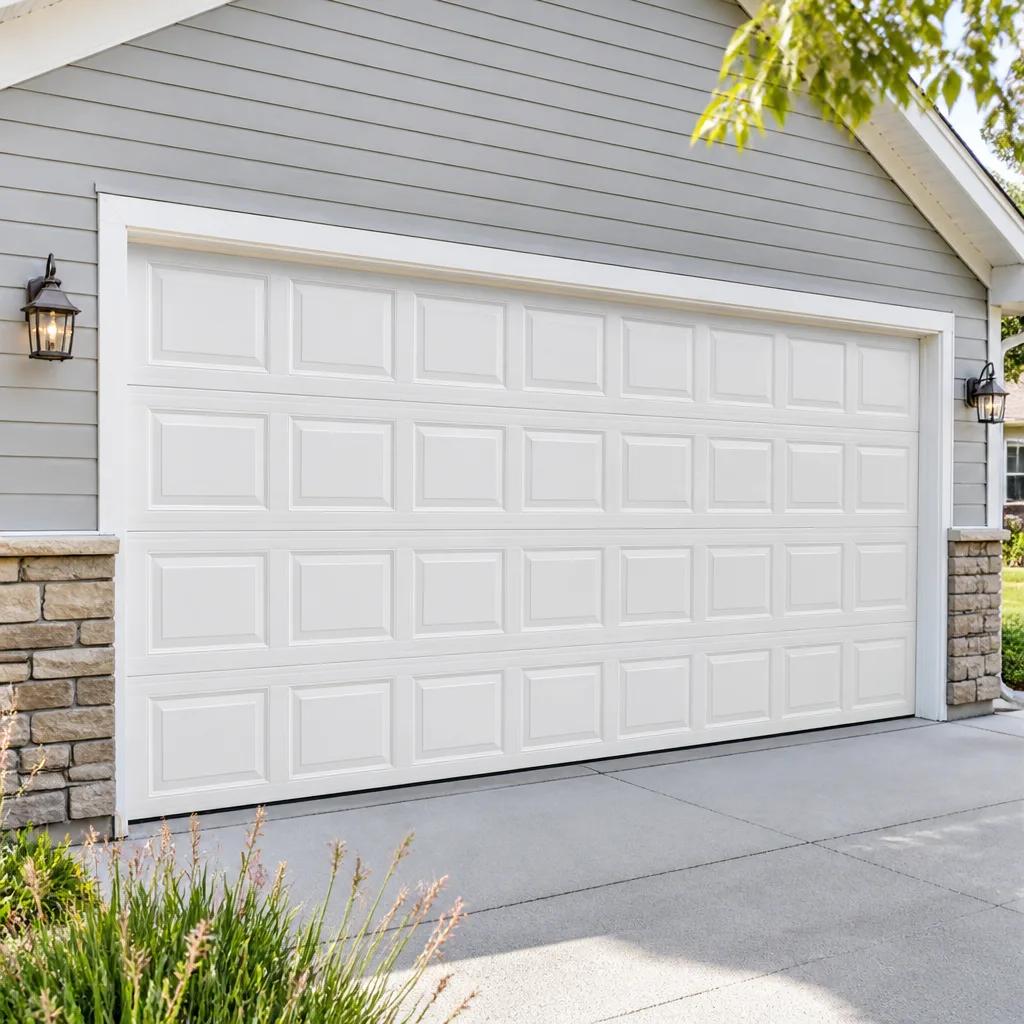 Raised-panel steel
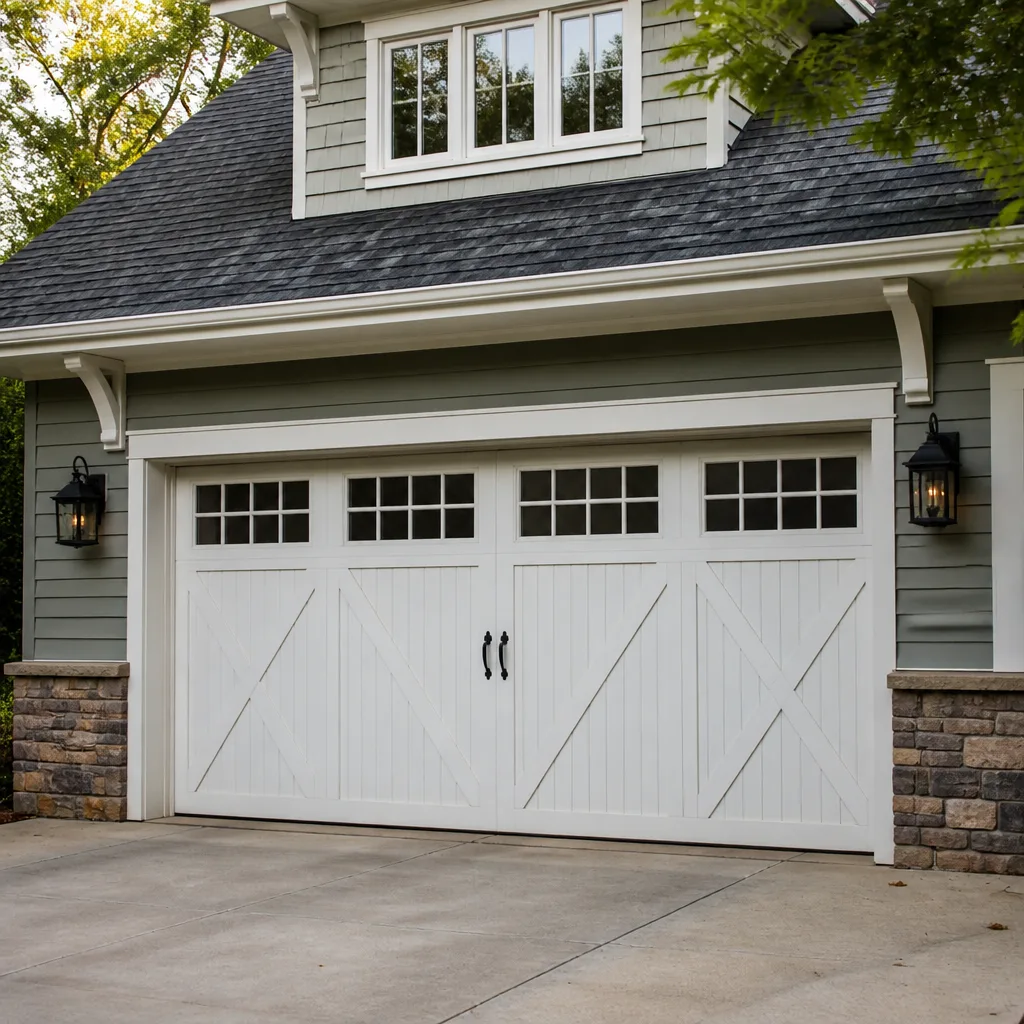 Carriage house
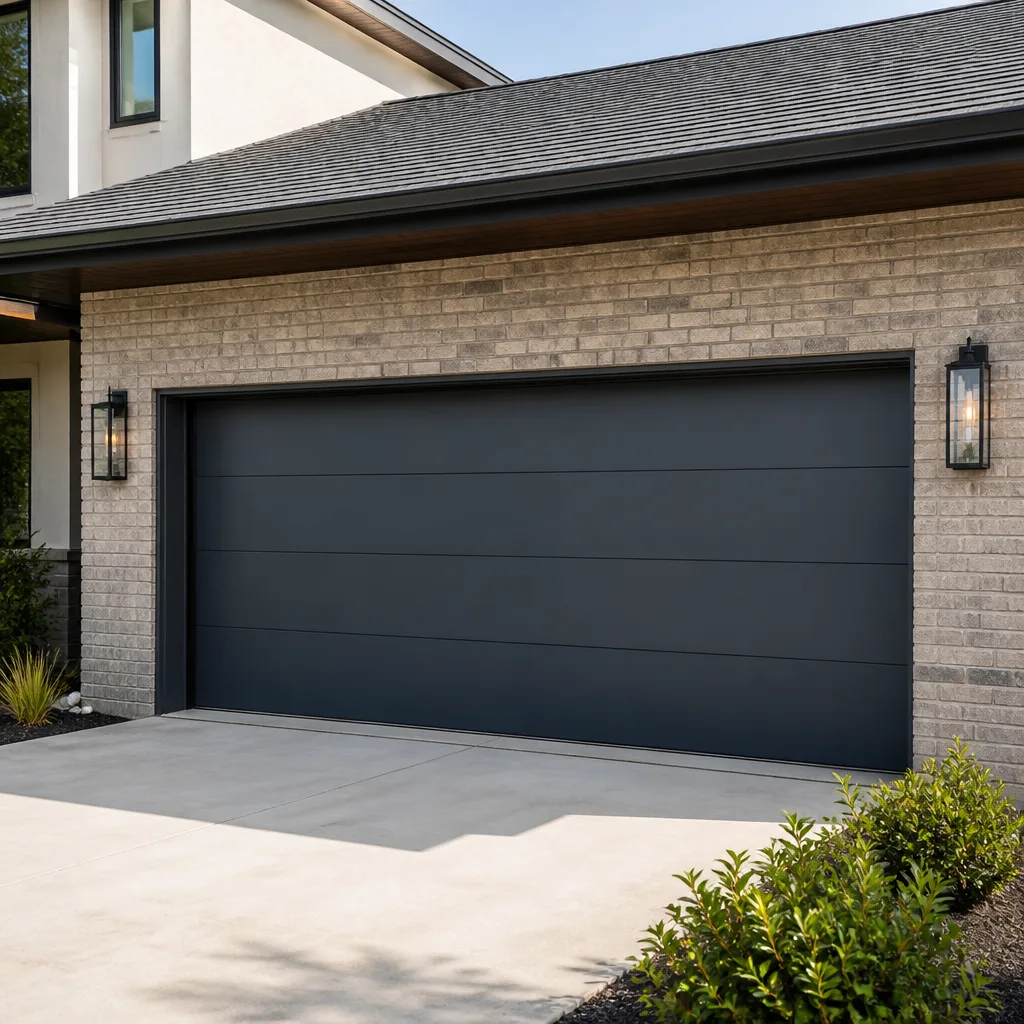 Modern flush
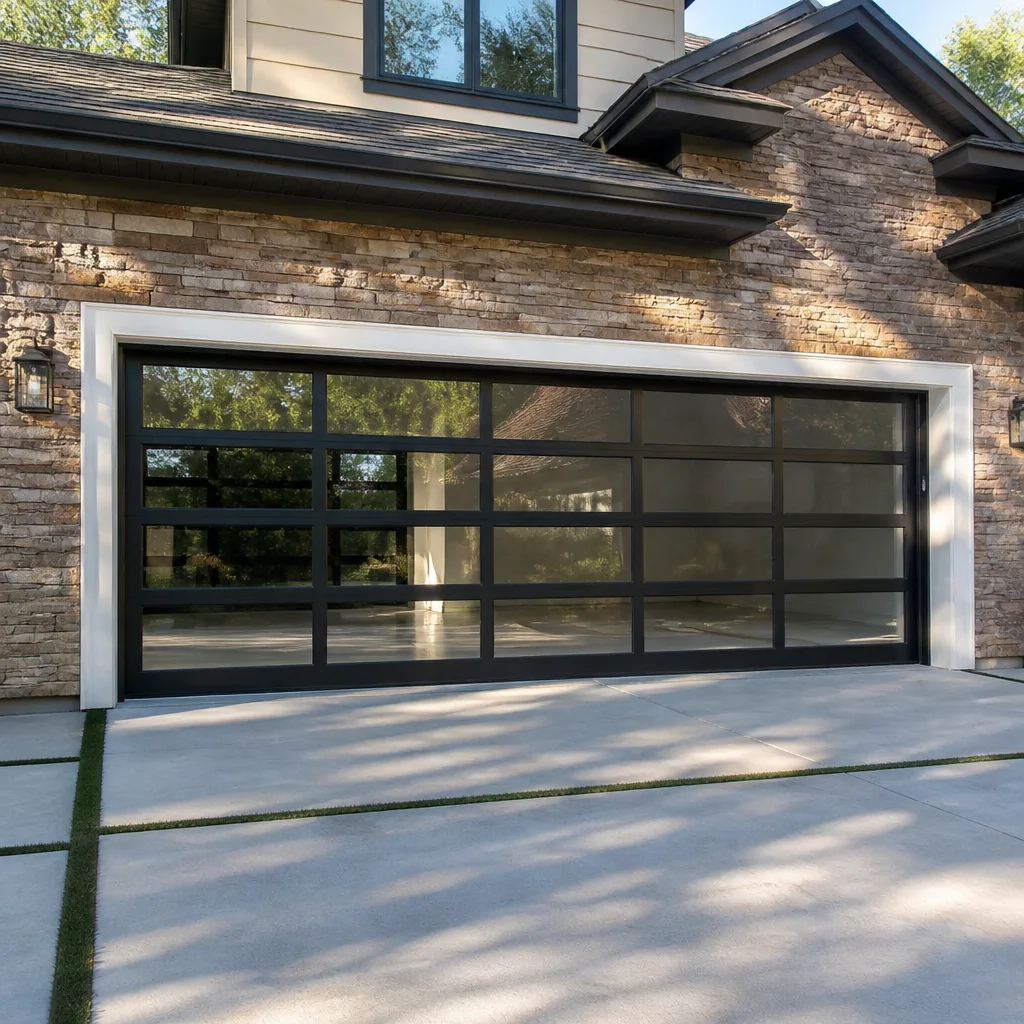 Full-view glass
 LiftMaster openers
 Chamberlain openers
Full 25-point door and opener safety check with every visit - springs, cables, rollers, tracks, and your LiftMaster or Chamberlain opener included
You get a price before we start. It does not change when the pro arrives.
Get your free estimateGarage Door Emergency Preparedness Guide for Cherry Hill Homes
When a torsion spring snaps, the door weighs the same 400 pounds it always did – but now there’s nothing counterbalancing it. The homeowners who get hurt in garage door emergencies are almost always the ones who didn’t know that before it happened. Most people treat their garage door as furniture. It opens, it closes, nobody thinks about it until a cable lets go at midnight with the car trapped inside. This guide covers the three emergencies that happen most often in Cherry Hill, what to do in the first five minutes of each, how to secure a door that won’t close, and what to have ready when you call so the right technician arrives with the right parts.
Quick Answer
A garage door emergency in Cherry Hill usually means a snapped spring, a broken cable, or an opener that’s dead with your car on the wrong side of the door. Never try to lift a door with a failed spring or cable by hand – it’s far heavier than it looks and the hardware is under extreme tension. Keep people and vehicles clear, secure the opening as best you can, and call (833) 772-5404 for emergency service.
Styles & brands we work with
- Raised-panel steel
- Carriage house
- Modern flush
- Full-view glass
- LiftMaster openers
- Chamberlain openers
Table of Contents
- The Three Most Common Garage Door Emergencies in Cherry Hill
- Spring Failure: What to Do and What Never to Touch
- Cable Snap: The Warning Signs and Your First Move
- Opener Failure With the Car Inside: Manual Disengage and Re-engage
- Securing a Door That Won’t Close: What Works and What Doesn’t
- Pre-Storm Preparation for Cherry Hill Homes
- What to Have Ready When You Call
- After the Emergency: Getting Back to Reliable
The Three Most Common Garage Door Emergencies in Cherry Hill
Nearly every emergency call we handle in Cherry Hill falls into one of three buckets. Knowing which one you’re dealing with tells you how to respond and how urgent the situation actually is. A door that won’t close is an emergency. A door that won’t open is an emergency. A door that’s making an alarming noise but still works is a warning, not an emergency – schedule it before it turns into one.
Here’s how the three break down and what each one means for your next move:
- Spring failure. You hear a loud bang from the garage, like a firecracker, and the door immediately becomes impossibly heavy or won’t lift at all. This is the most common and most safety-critical emergency. garage door spring repair is a specialized job, not a general repair call.
- Cable snap. A cable has broken when the door hangs crooked, sags on one side, or you see a loose strand of wire near the bottom corner of the door. The door is now unbalanced and can drop. Don’t run the opener.
- Opener failure with the car inside. The motor runs but nothing moves, the door goes dead, or there’s a power outage and your car is trapped. This is the most inconvenient of the three but usually the least dangerous, because you can disengage manually and get out.
Cherry Hill homes tend to have older two-car garages with doors that have cycled thousands of times over many winters – and Garden State weather is hard on them. Cold snaps, freeze-thaw cycles, and the salt spray from winter road treatment all stress the metal springs, cables, and hinges underneath. A door that runs smoothly in June may be on borrowed time by January.
Spring Failure: What to Do and What Never to Touch
A broken torsion spring is the single most dangerous garage door emergency, because the spring is what’s holding the door’s weight in check. When it fails, that 400-pound door is suddenly supported by nothing but the track and your opener – and it can come down hard. The spring itself also stores serious energy and can whip a broken end across the garage when it fails.
Here’s what to do in the first five minutes:
- Get everyone out of the garage. Don’t inspect the spring up close. Look from the doorway.
- Don’t try to lift the door. A door with a broken spring or cable is far heavier than it feels and the hardware is under tension.
- Don’t run the opener. The motor will strain against a door that isn’t counterbalanced and can damage the opener or the door itself.
- Close the door if it’s safe to do so and keep it closed. If it’s already fully open and won’t stay up, don’t try to force it down – wait for a professional.
- Keep children and pets away. The door can fall without warning if it’s being held up only by the opener arm.
Spring repair is not a do-it-yourself job. Torsion springs are wound under the same pressure as a wound-up clock spring the size of your arm, and the winding bars used to adjust them can slip if you don’t know what you’re doing. Most local hardware stores won’t sell you a replacement spring because getting the tension wrong can seriously injure someone. This is the one repair we recommend calling for immediately rather than scheduling for later.
In our experience, most springs on older Cherry Hill doors fail within 7-10 years of regular use – and if one spring on a two-spring door has failed, the other is usually on borrowed time too. A matched pair is normally replaced together, so budget for both.
Cable Snap: The Warning Signs and Your First Move
Garage door cables run along the sides of the door and work with the springs to lift and lower it. When a cable snaps, the door loses its balance and can hang crooked, sag at one corner, or drop unexpectedly. A snapped cable is dangerous because the same tension that was holding the door up is now loose on one side – and running the opener can make the door crash.
Signs a cable is about to fail or has already failed:
- The door hangs noticeably uneven, with one side lower than the other
- You see a loose strand of wire near a bottom corner of the door or inside the track
- The door shudders, jerks, or comes down too fast
- You hear a metallic snapping or twanging sound from inside the garage
If you suspect a cable has snapped:
- Stop using the opener immediately. Even opening the door once more can make a crooked door jam or drop.
- Don’t try to move or lift the door by hand. The door is out of balance and can fall.
- Keep the area clear. Don’t let anyone stand under or near the door while it’s unbalanced.
- Call for service. Cable replacement is a same-visit repair and usually paired with checking the springs and rollers, since a snapped cable often points to wear elsewhere.
For Cherry Hill homes, cable wear tends to accelerate after the freeze-thaw months. The constant contraction and expansion of metal in cold weather stresses the cables, and the sand and salt spread on driveways over the winter can work into the moving parts and accelerate wear. It’s worth a visual check every fall before the cold arrives.
Opener Failure With the Car Inside: Manual Disengage and Re-engage
A dead opener with your car trapped inside is the most frustrating of the three emergencies, and the one you can most often solve yourself. Every garage door opener has a manual release – usually a red handle hanging from a rope – that disconnects the door from the motor so you can lift it by hand. The door must be balanced and spring-supported to lift safely; if the spring or cable is the problem, don’t use this technique.
Here’s how to disengage a garage door opener manually:
- Pull the red release handle straight down. This disconnects the carriage from the opener arm so the door moves freely by hand. If it doesn’t pull easily, don’t force it – it may be jammed.
- Lift the door by the handle, not the panels. Keep your hands clear of the hinges and springs. The door should lift with reasonable effort if the springs are working.
- Move the car out. Once the car is out, you can decide what to do next.
- To re-engage, close the door fully first, then press the release lever or handle again so the carriage snaps back into the opener arm. Test with a single open-close cycle before assuming it’s connected.
If the disengage doesn’t work – the handle won’t move, or the door won’t lift with reasonable effort – that’s a sign of a bigger problem and you should call for help rather than force anything. A stuck carriage or a door that’s too heavy to lift by hand usually means the springs are weak or a cable is loose.
The safest sequence for a power outage is: disengage, lift manually, move the car, re-engage, and leave the door in the closed position until power returns. Don’t leave the door disconnected overnight unless the garage is secure another way – an unlocked, unbalanced door is the easiest door to open from the outside.
We work on the major opener and smart-system brands you’re most likely to find in Cherry Hill homes – LiftMaster, Chamberlain, Genie, and Craftsman – so garage door opener repair covers both the older chain-drive systems and the newer Wi-Fi-enabled openers.
Securing a Door That Won’t Close: What Works and What Doesn’t
A door that won’t close is a security emergency, because the garage is the most common point of entry into a home. Whether the problem is a misaligned track, a door that’s off the rails, or a broken opener, you need the opening secured until a technician can get there. Some quick fixes work well; others give false confidence and leave the house vulnerable.
What actually works:
- A slide-bolt or padlock through the track. Drill a hole through both sides of the vertical track and slide a bolt or clip through – this physically blocks the door from opening. Remove it before service.
- A wooden or steel bar between the door and the header. Wedge it behind the top panel so the door can’t slide up.
- Park a car against the inside of the door. Simple and effective, as long as you can get the car in.
- A deadbolt or slide lock on any connecting door from the garage into the house. Lock this whether or not the big door is secure – it’s your second line of defense.
What gives false confidence:
- A chair or broom handle under the door. A determined intruder can lift it or push the door past it.
- Tying the release handle up out of reach. Doesn’t stop the door from being lifted manually.
- Hanging a “beware of dog” sign. Signals the wrong thing and doesn’t stop anyone.
- Just closing the door as far as it’ll go. If it stops 6 inches short, it’s an open door.
Once the opening is secure, call for emergency service. Don’t leave the door half-secured overnight if you can help it – a professional can usually get the door closing properly in one visit, and that’s the state you want before the weekend.
Pre-Storm Preparation for Cherry Hill Homes
Cherry Hill sits in a part of New Jersey that sees its share of strong storms – nor’easters in the winter, summer thunderstorms that push wind and debris across South Jersey, and the occasional named storm that works its way up the coast. Wind and airborne debris are the main threats to garage doors in these events, and the most common post-storm calls we handle are doors that have been pushed off their tracks, panels that have bent or dented, and openers that took on water.
Before a storm:
- Close and lock the door. A closed door resists wind far better than an open one. If you’re evacuating, leave it locked shut.
- Clear the area around the door. Move trash cans, garden furniture, kids’ toys, and anything loose that wind could turn into a projectile. A garbage can thrown into a door can bend a panel or knock it off the track.
- Check the bottom seal and side weatherstripping. A worn seal lets wind-driven rain in, and standing water in the garage is a real headache after a storm. Replacing a seal is cheap and quick.
- Test the door before the storm arrives. Run it up and down once to make sure nothing is loose. If it’s making noise or running unevenly, schedule a repair before the weather arrives – not after.
- Take a photo of the inside of the door and the opener. If you do have storm damage, you’ll have a record for any insurance claim.
After the storm, don’t lift a door that’s been bent or knocked off its track. Panels that are hanging crooked often have loose or broken cables, and lifting one can cause the door to drop or the spring to let go. If the door is stuck open, call for repair before touching anything – a partially damaged door can usually be repaired in one visit, but a door that’s been lifted or forced can require replacement.
For Cherry Hill homes with a lot of mature trees, debris damage – branches, pinecones, acorns – is as common as wind damage. A door with a cracked panel or dented section is worth repairing rather than replacing, as long as the hardware and springs are still sound.
What to Have Ready When You Call
When you call for emergency garage door service, the more information you can give in the first minute, the faster the right technician gets to you with the right parts. Most companies handle the major brands, but knowing your door and opener make and model saves a return trip. Have this ready before you dial:
- Your address and neighborhood. In Cherry Hill, a street name is helpful for a fast response.
- Door brand and model. Check the inside of the door – Clopay, Amarr, Wayne Dalton, and Raynor are common in this area and each has different springs and hardware. A model number is a bonus, but even the brand narrows it down.
- Spring type. If you can see it without going near it, note whether it’s a torsion spring (running horizontally above the door) or extension springs (running along the sides). A torsion spring replacement is a different job from extension spring replacement.
- Opener brand and model. LiftMaster, Chamberlain, Genie, and Craftsman are the most common in Cherry Hill homes. The model number is usually on a sticker inside the opener housing or under the light cover.
- What happened and when. Did the door make a loud noise and then stop working? Did the opener just go dead? Did you see a cable snap? This helps the technician plan.
- Whether the door is open, closed, or stuck partway, and whether the car is inside.
- Whether anyone is in danger or the house is exposed. Say this first. If the door is open and the house is unsecured, that priority shapes the response.
For Cherry Hill emergency service specifically, be ready to describe anything unusual – a wet garage, a smell of burning, a door that has visibly bent panels or a broken window. If your door has been pushed off the tracks, tell the technician that up front – it changes the tools and parts needed.
After the Emergency: Getting Back to Reliable
Once the emergency is handled, the job isn’t really done until the door is back to reliable. A same-day fix gets you out of the immediate crisis, but a door that’s just been patched can fail again if the underlying wear hasn’t been addressed. Think of emergency service as the first step, not the last one.
After a spring or cable failure, have the technician check the whole system – the other spring (if there is one), the rollers, the hinges, the tracks, and the opener. Springs usually fail in pairs within a short window of each other, and a second spring that’s about to go is a second emergency you don’t need.
After an opener failure, ask whether the motor is simply worn out or whether it’s a symptom of a heavy door or a failing spring. Openers burn out faster when they’re lifting a door that’s no longer balanced, so the fix may be to repair the door rather than replace the opener.
And after a storm that damaged a panel or off-set a track, find out whether the door can be repaired or really needs to be replaced. A single bent panel is a repair; a door with a twisted track and damaged hardware might be the point where replacement makes more sense than another round of repairs.
The point of this guide is that emergencies are easier to handle when you’ve thought about them before they happen. Knowing the red handle, knowing the brand on your door, and knowing what to leave alone goes a long way. When you need an expert, Cherry Hill Garage Door Repair Pros is the multi-brand specialist to call, working on the major door and opener brands so we can diagnose faster and get you back up and running in a single visit. Call (833) 772-5404 for a free estimate.
Common Mistakes to Avoid
- Lifting a door with a broken spring. It’s far heavier than it looks and can come down hard. Leave it alone until a professional can assess it.
- Running the opener on a crooked or off-track door. Once a door hangs uneven, the motor will strain or jam it further. Stop using it immediately.
- Winding a torsion spring yourself. Springs store serious energy and the tools slip easily. This is the one repair that genuinely isn’t worth the risk.
- Thinking a “closed” door that doesn’t quite touch the ground is secure. A gap of an inch or two is still an open door to an intruder. Fix it before the weekend, not after.
- Not checking the weatherstripping before storm season. A worn seal lets water in and works loose in wind. Cherry Hill sees plenty of both.
- Forgetting the release handle exists. A dead opener with the car inside is frustrating but not dangerous – as long as you know how to disengage it.
- Putting off the second spring. If one torsion spring has failed and you don’t replace the pair, the other is on a clock.
See the difference
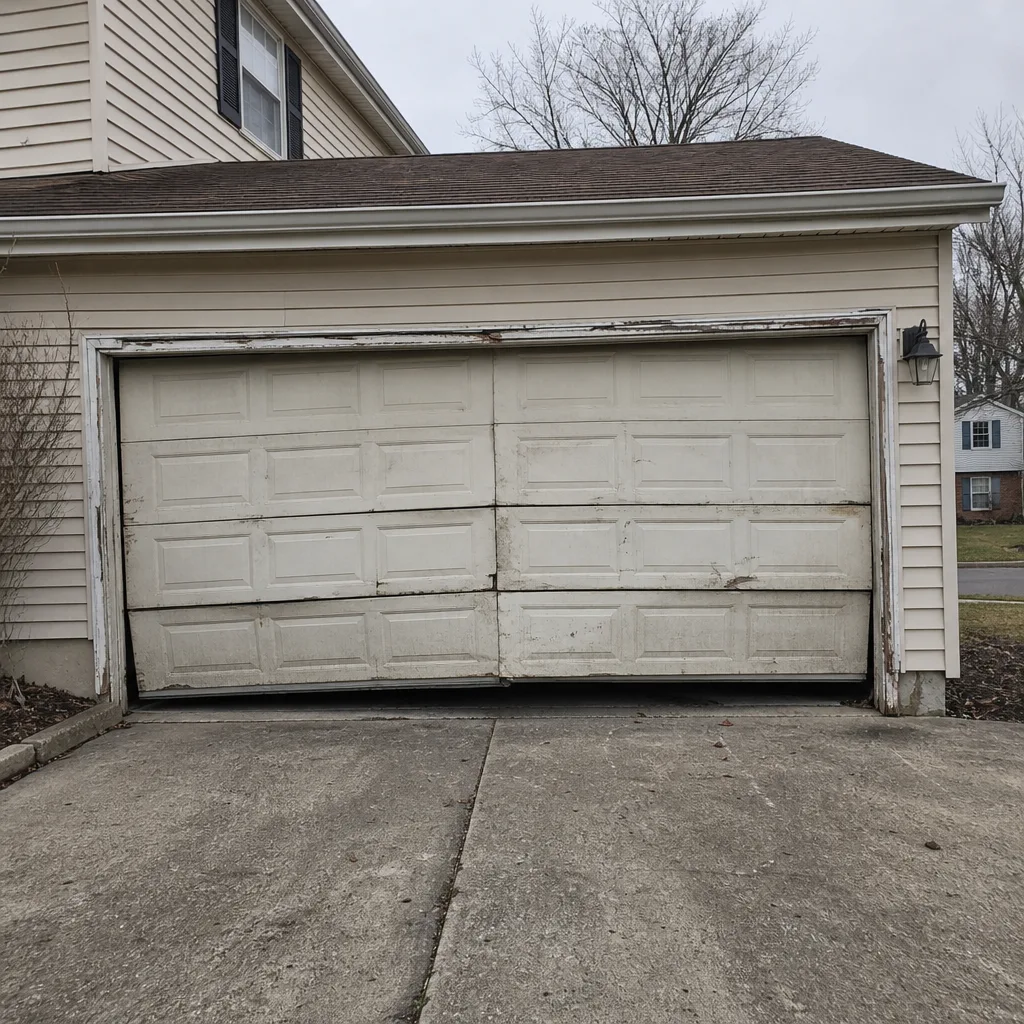 Before
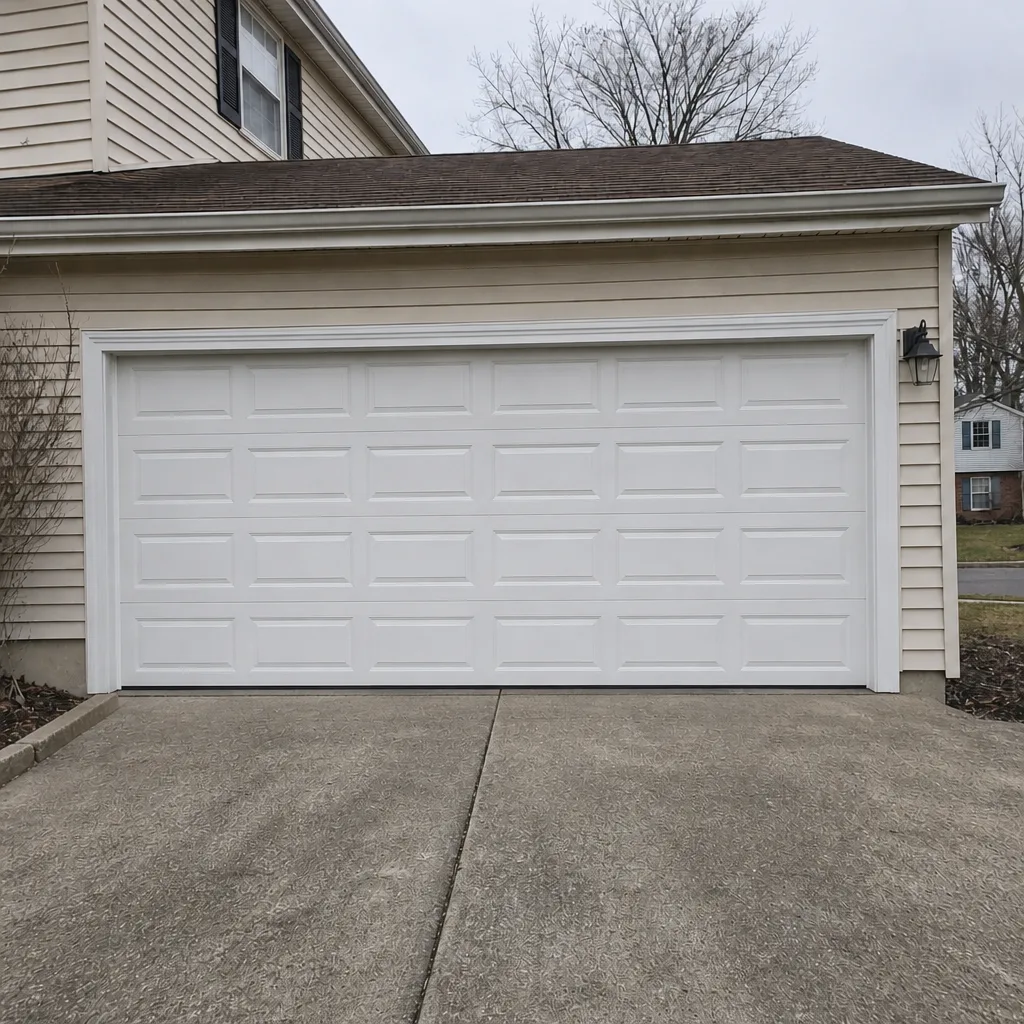 After
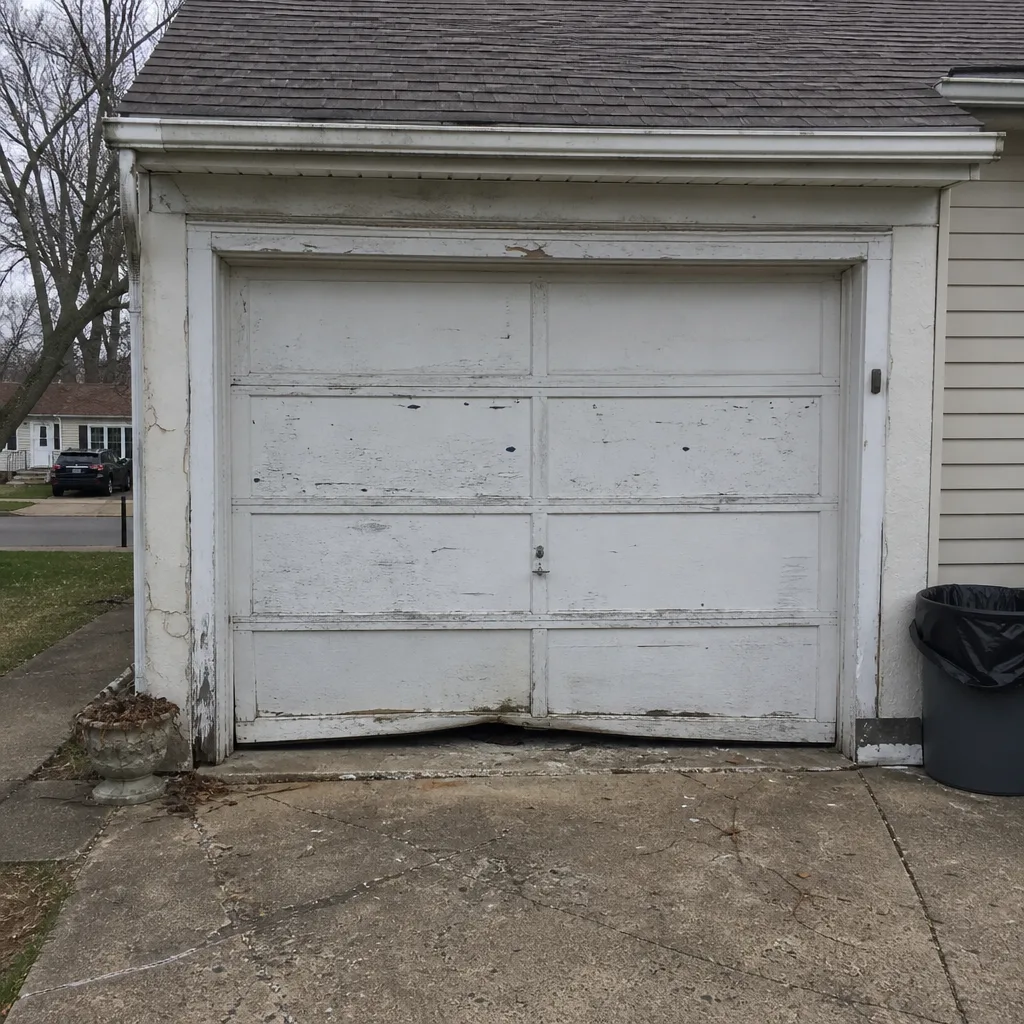 Before
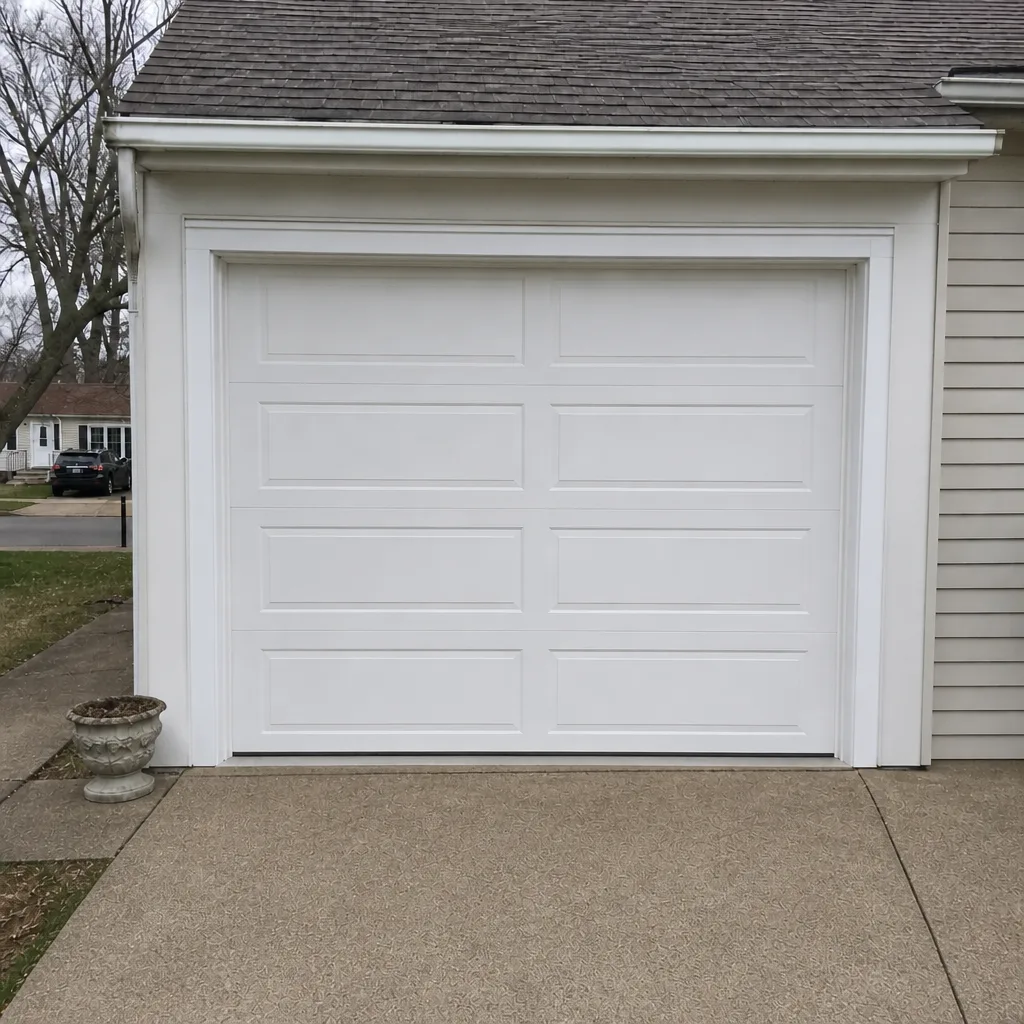 After
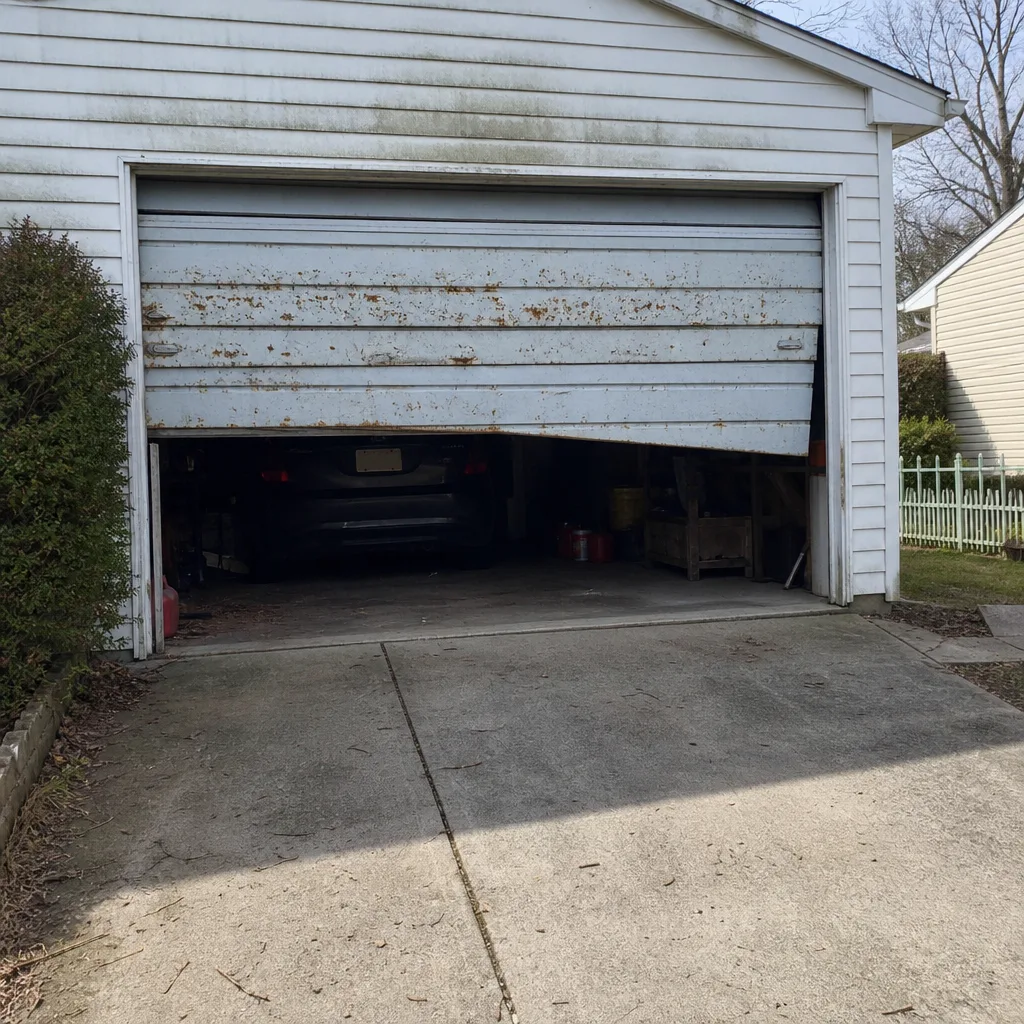 Before
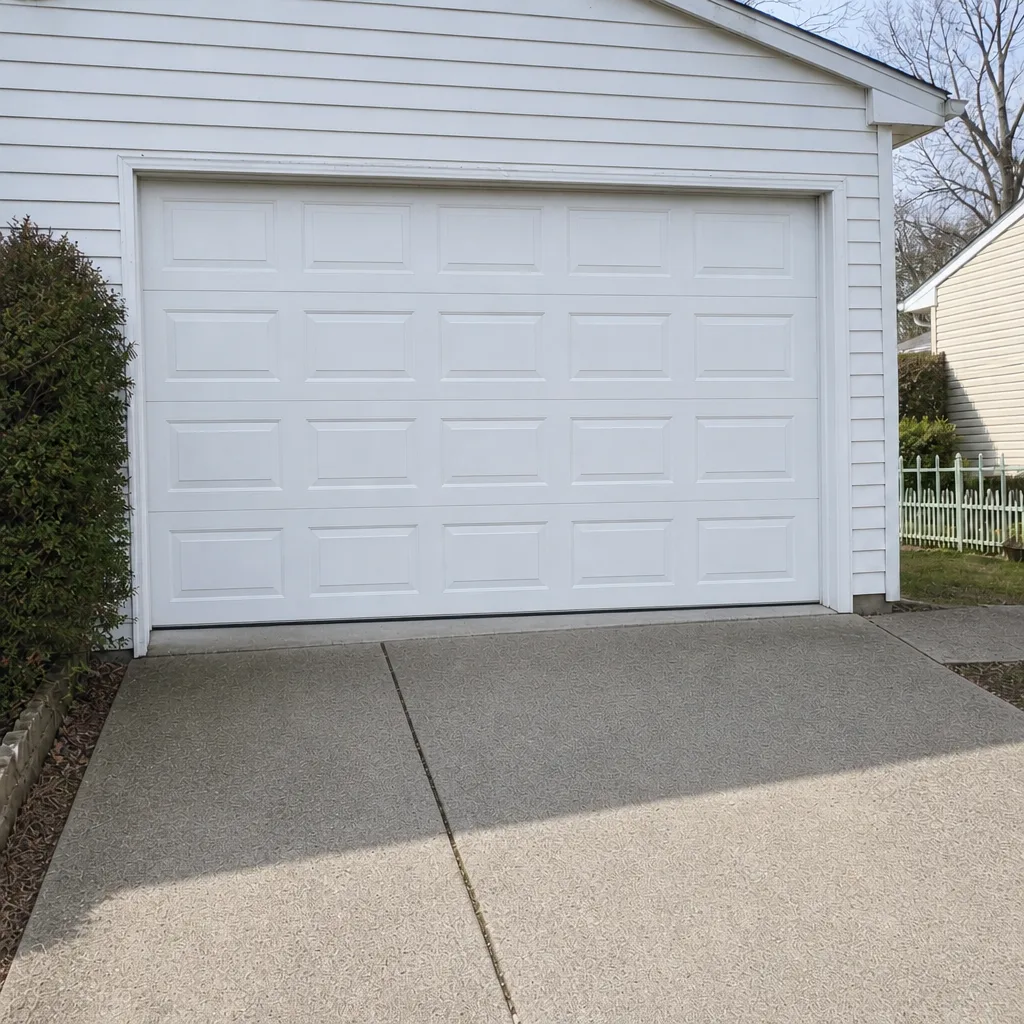 After
When to Call a Professional
Call immediately for a broken spring, a snapped cable, a door that’s off the tracks, an opener that’s dead and trapping the car, or any door that’s bent or hanging crooked. Don’t wait for a scheduled appointment on those – they’re emergencies in every sense. Call for a scheduled visit if the door is running noisily, the opener lights flicker or the remote only works up close, the door reverses when it shouldn’t, or the bottom seal is worn and letting in water. Those are all signs of wear that will get worse in Cherry Hill’s weather. Cherry Hill Garage Door Repair Pros offers free estimates in Cherry Hill – call (833) 772-5404.
Frequently Asked Questions
Emergency garage door repair in Cherry Hill typically runs $180-$340 for a single spring replacement, with cable repair in a similar range depending on the door and hardware. A matched pair of springs costs roughly twice the single-spring figure because both springs are replaced together for safety. The written estimate sets the final price, and the price is quoted and agreed before any work starts – call (833) 772-5404 for an exact quote.
Yes – a door that won’t open or close is treated as an emergency, and emergency garage door service is a core part of what we do. Call (833) 772-5404 and we’ll get a technician out as quickly as we can, with same-day service available for most situations. Have your door and opener brand ready so the technician arrives with the right parts.
No – the price is quoted and agreed with you before any work begins, and that’s the number you pay. If something unexpected turns up once the technician is on site, the price is re-quoted and agreed with you before proceeding. You’ll never be billed for work you didn’t approve.
Yes – the local professionals we connect you with are licensed and insured as their state requires, so you’re covered for the work done on your door. Our technicians have up to 14 years of experience working on all the major door and opener brands, from LiftMaster and Chamberlain to Genie, Clopay, Amarr, Wayne Dalton, Craftsman, and Raynor. Call (833) 772-5404 to book a visit.
Yes, if the door is balanced and the springs are working – pull the red release handle to disconnect the opener and lift the door by its handle, not its panels. Do not do this if you suspect a broken spring or cable, because the door will be far too heavy and can drop. When in doubt, keep everyone clear and call for help.
We’re closed on Saturdays. A door failure on a Saturday is still a real problem, so call (833) 772-5404 and we’ll book you in for Sunday. Don’t leave a door open or half-secured overnight – secure the opening and wait for the technician.
The Bottom Line
Most garage door emergencies come down to a spring, a cable, or an opener, and the right response in each case is the same: don’t force anything, keep people and vehicles clear, secure the opening, and call a specialist. Knowing what’s on your door – the brand and model – and where the release handle is saves time and prevents secondary damage. Cherry Hill sees enough weather that a door which has been running without a tune-up is worth checking every fall. Our technicians have up to 14 years of experience on the major brands, and we treat a door that won’t open or close as the security problem it is. Call Cherry Hill Garage Door Repair Pros at (833) 772-5404 for a free estimate.
Written by the team at Cherry Hill Garage Door Repair Pros.