Last updated November 23, 2026
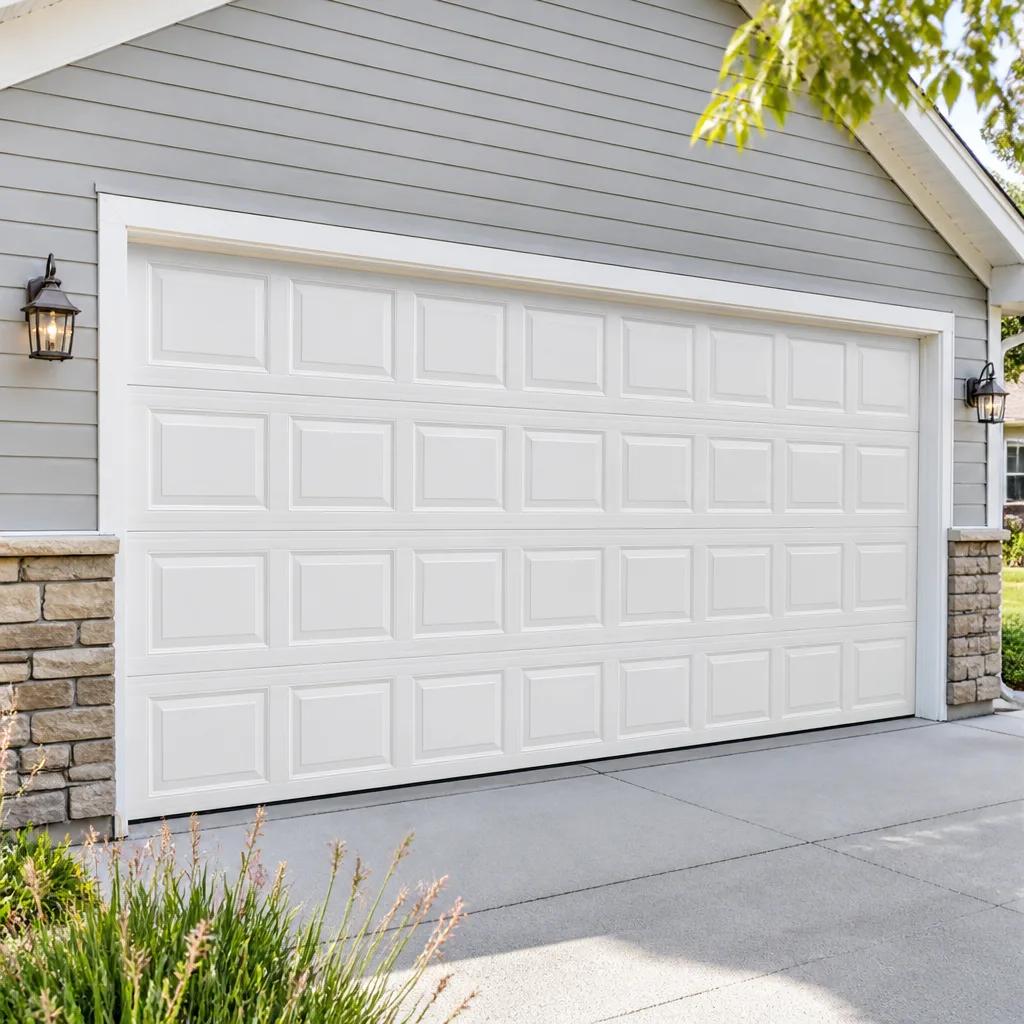 Raised-panel steel
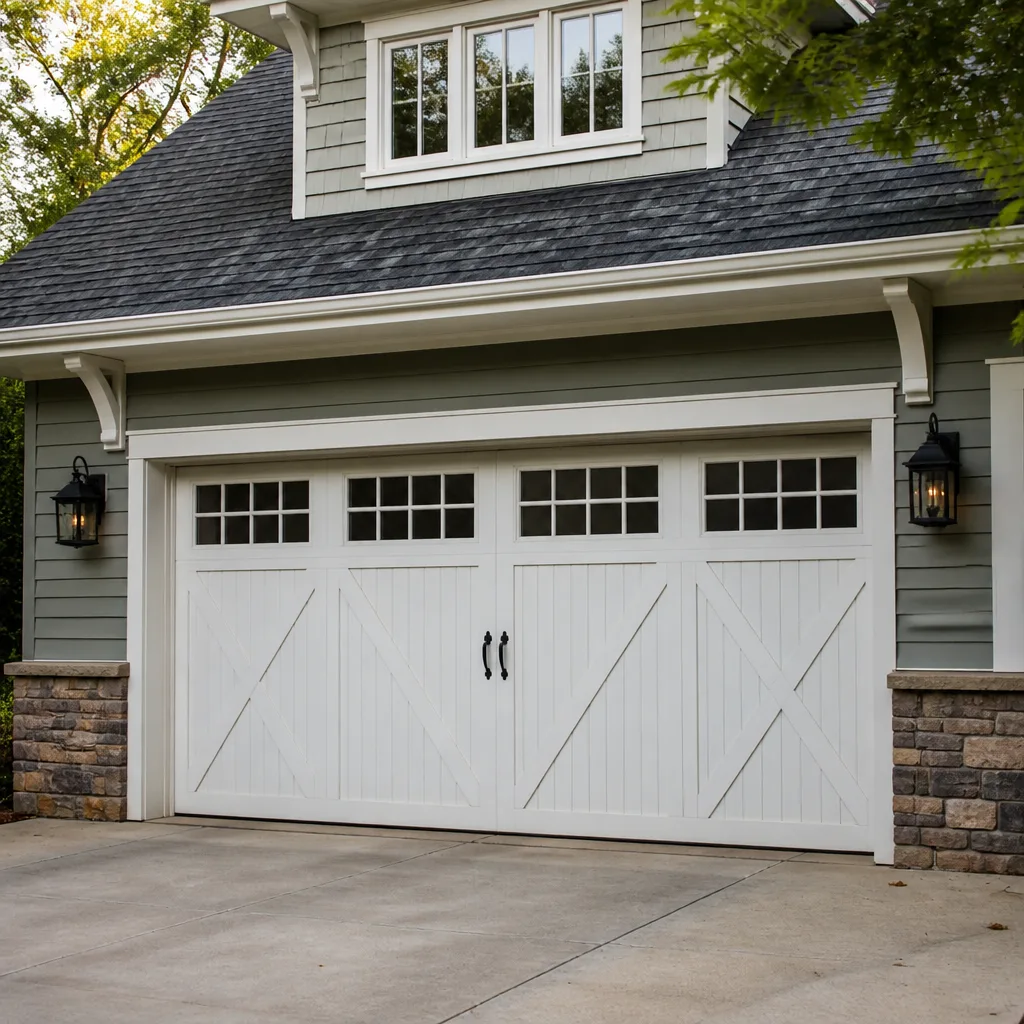 Carriage house
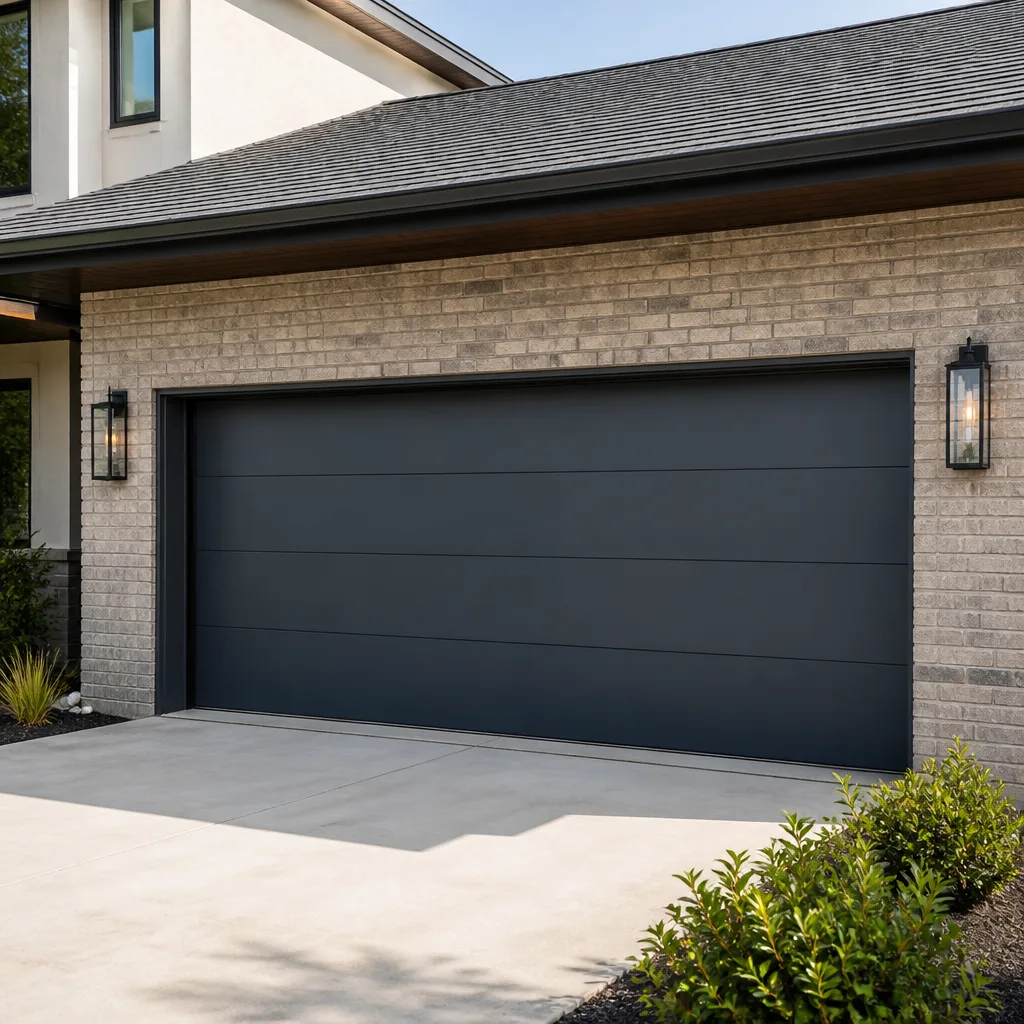 Modern flush
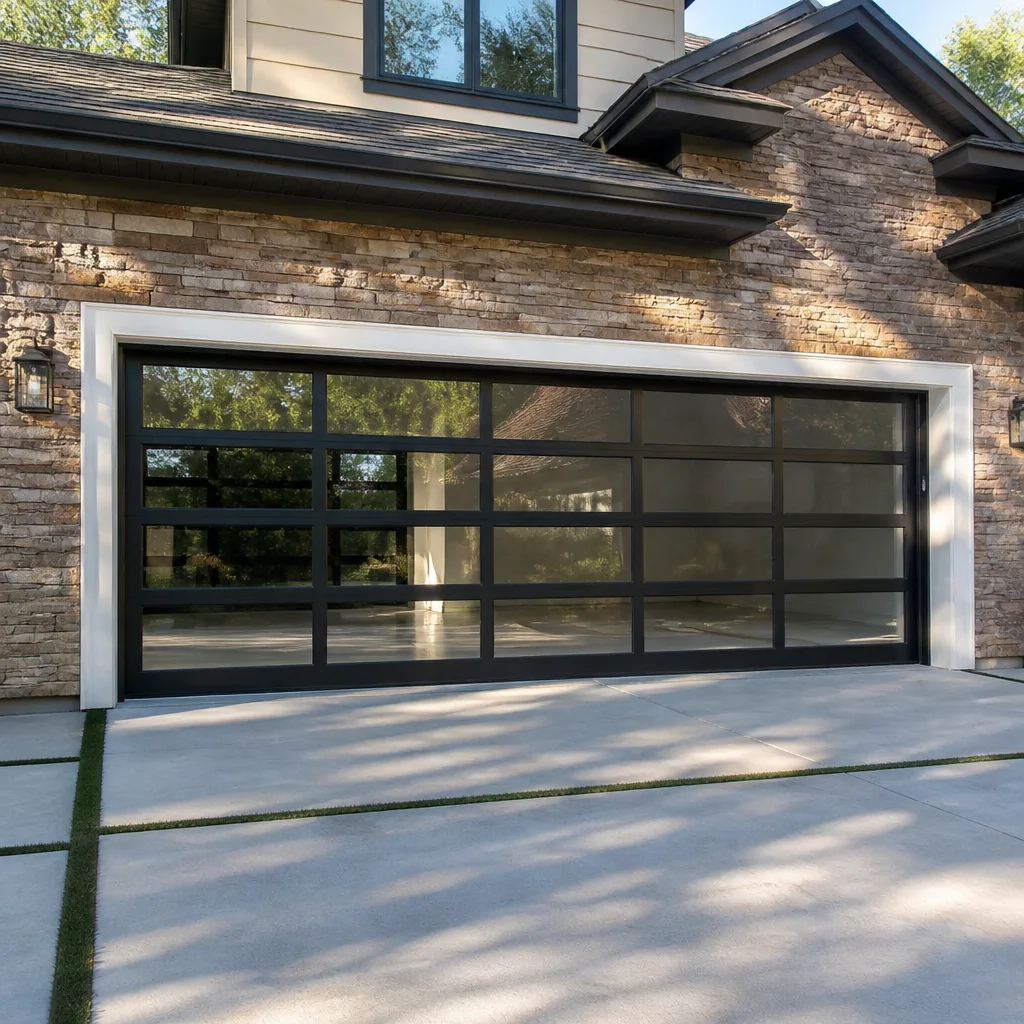 Full-view glass
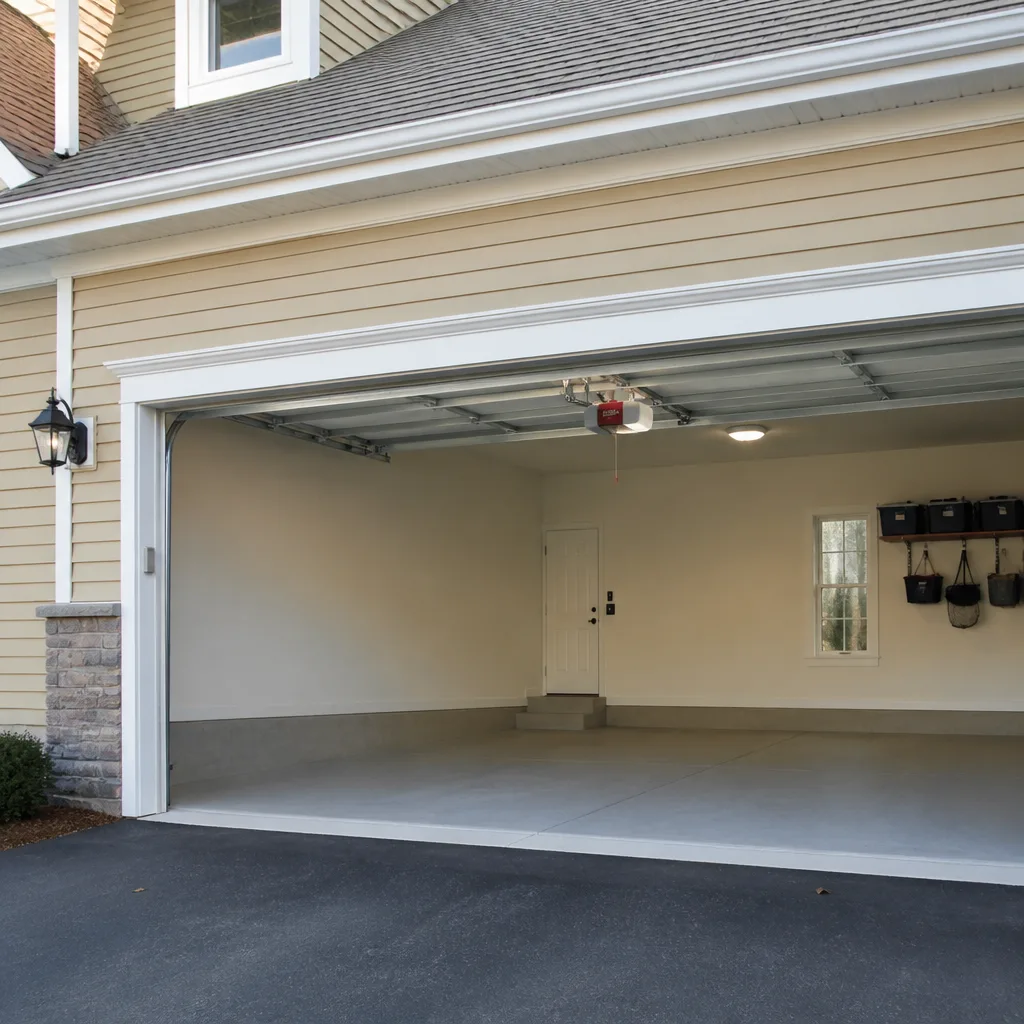 LiftMaster openers
 Chamberlain openers
Full 25-point door and opener safety check with every visit - springs, cables, rollers, tracks, and your LiftMaster or Chamberlain opener included
You get a price before we start. It does not change when the pro arrives.
Get your free estimateGarage Door Repair Troubleshooting in Cherry Hill: Common Problems and How to Fix Them
A garage door that stops halfway down is usually not an opener problem. More often, the opener is doing exactly what it was built to do: it detected resistance, hit a safety reversal, and backed off. Homeowners in Cherry Hill tend to diagnose the symptom – the door won’t move – and reach for the most visible part, which is the opener. That’s where the money goes wrong. A bent track, a worn roller, or a cable that jumped its drum can all mimic an opener failure, and replacing the opener leaves the real hazard in place. This guide teaches you to read the whole system: spring, cables, tracks, rollers, sensors, and opener working together. You’ll learn which problems you can safely handle and which belong with a technician.
Quick Answer
Most garage door problems in Cherry Hill trace back to one of five components: the torsion or extension springs, the lift cables, the tracks and rollers, the safety sensors, or the opener itself. The right way to troubleshoot is to match what the door actually does to the component responsible, then release the door manually to confirm. Springs, cables, and anything involving stored tension are not homeowner repairs. Everything else – sensor alignment, track debris, remote batteries, and lubrication – is fair game.
Styles & brands we work with
- Raised-panel steel
- Carriage house
- Modern flush
- Full-view glass
- LiftMaster openers
- Chamberlain openers
Table of Contents
- Why the Manual Release Test Comes First
- Symptom-to-System Mapping: What Your Door Is Telling You
- Why “Door Reverses Before Closing” Has Four Different Causes
- Springs and Cables: Stored Energy You Shouldn’t Touch
- How Delaware Valley Humidity Affects Rollers and Tracks
- What’s Safe to Fix Yourself vs. What Requires a Technician
- Opener Repair or Door Repair? How to Tell the Difference
- A Seasonal Checklist for Cherry Hill Homeowners
Why the Manual Release Test Comes First
Before you touch a remote, a sensor, or a wall button, pull the manual release cord. It hangs from the opener trolley and disconnects the door from the motor so you can move the door by hand. That single action tells you more than any other diagnostic step, because it separates the door’s mechanical system from the opener’s electrical system.
- Pull the release cord while the door is closed. The trolley should disengage with a light tug.
- Lift the door halfway by hand. A properly balanced door should stay roughly where you leave it, maybe drifting slightly.
- Let go carefully. If the door slams down, the springs are weak or broken and the opener has been carrying weight it was never meant to lift.
- Push the door back down manually. If it binds, scrapes, or needs real force, the problem is in the tracks, rollers, or hinges – not the opener.
Here’s what those results mean, and this is where most Cherry Hill troubleshooting goes off the rails. If the door moves smoothly by hand but won’t respond to the opener, you have an opener or sensor problem. If the door fights you by hand, you have a door problem and the opener is innocent. A door that won’t stay up on its own is a spring problem, and that’s the one result you should never try to fix yourself.
One practical note: once you’ve pulled the release, the door is disconnected from the opener. To reconnect, close the door fully, then pull the cord again or run the opener until the trolley catches. If the trolley won’t catch, the door may have been released while the opener was mid-travel, and the travel limits need reset.
Symptom-to-System Mapping: What Your Door Is Telling You
The fastest way to troubleshoot is to stop asking “what’s broken?” and start asking “which subsystem produces this exact behavior?” A garage door is a chain of dependent parts: springs counterbalance the weight, cables transfer that tension to the bottom corners, tracks guide the panels, rollers reduce friction along the tracks, and the opener supplies the last few pounds of force to start and finish the cycle. Break any link and the symptom shows up somewhere else.
Use this map to narrow the field before you climb a ladder:
- Door won’t move at all, no sound from opener: power, wall button wiring, remote battery, or a tripped breaker. The door system itself is probably fine.
- Opener hums but door doesn’t move: stripped opener gear, broken trolley, or a released manual cord. Common on older Craftsman and Genie units.
- Door goes up a few inches and stops: safety sensors misaligned, or the opener’s travel limits are set too short.
- Door reverses immediately on closing: sensor obstruction, force limit set too low, or binding track.
- Door closes partway then reverses: usually a photo-eye issue or a roller binding on one side.
- Door is crooked, one side lags: broken spring on one side of an extension-spring setup, or a snapped cable on a torsion system.
- Door is loud, grinds, or shudders: dry rollers, loose hinges, worn nylon rollers, or a track out of plumb.
- Door sags at the top panel: broken torsion spring or a bent top section from an opener that pulled too hard.
Notice how many of those symptoms point away from the opener. That’s the core lesson. Cherry Hill has a mix of older homes with original extension-spring doors and newer construction with torsion systems, and the symptom patterns differ between them. A door from the 1980s with extension springs will fail differently than a modern Clopay or Amarr sectional with a torsion bar across the header.
When the door binds or scrapes and you can’t find the cause by eye, that’s when a professional diagnosis pays for itself. Our garage door repair service starts with a full system check, not a parts swap.
Why “Door Reverses Before Closing” Has Four Different Causes
This is the single most misdiagnosed problem in garage door service. The door starts down, stops, and goes back up – and homeowners assume the sensors are dirty. Sometimes they are. Often they aren’t. There are four distinct root causes, and each one needs a different fix.
- Photo-eye obstruction or misalignment. The two sensors at the bottom of the tracks send an invisible beam across the opening. Dust, cobwebs, a leaning trash can, or sunlight hitting the receiving eye at a low angle can break the beam. Wipe both lenses and check that the indicator lights are solid, not blinking. On bright afternoons, direct sun through an open garage door can fool the receiving sensor even with a clear path.
- Force limit set too low. Openers from LiftMaster and Chamberlain (and most others) have a force adjustment that tells the motor how much resistance to tolerate before reversing. A door that binds slightly on a cold day can trip that limit. The fix isn’t to crank the force up – it’s to find why the door is binding, then set the force back to a normal value.
- Track or roller binding. A roller that’s worn flat, a hinge that’s seized, or a track that’s been nudged out of alignment will cause resistance at a specific point in travel. The door reverses at roughly the same spot every time. That’s your clue.
- Safety reversal test failure. Every opener is required to reverse when it meets an obstruction. If your door reverses at random spots and the sensors are clean, the opener may be reading the door’s resistance incorrectly because the door is out of balance – often a spring that’s lost tension.
Here’s the practical difference: if the door reverses at the same physical spot every time, look at the track and rollers. If it reverses at random points, suspect the sensors or the opener’s force setting. If it reverses only on cold mornings, look for a door that’s binding from contracted metal and stiff lubricant, which brings us to Cherry Hill’s weather.
Openers do fail, and when they do, our garage door opener repair covers the whole range of major brands, from belt-drive LiftMaster units to older screw-drive Genie systems. But an opener replacement should never be the first move.
Springs and Cables: Stored Energy You Shouldn’t Touch
Torsion springs hold hundreds of pounds of tension. Extension springs do the same along the horizontal tracks. Lift cables carry that tension to the bottom corners of the door. If you’re not trained to work with that stored energy, you should not attempt to adjust, remove, or replace any of these parts. This is the strongest safety warning in this entire guide, and it’s the one we repeat to every Cherry Hill homeowner who calls us after a spring lets go.
What you can safely do:
- Look at the springs from a distance. A torsion spring that has snapped will show a visible gap in the coil. An extension spring will be stretched and slack. Either one means the door should not be operated.
- Check for a broken cable by looking at the bottom corners of the door. A cable that has come off its drum will be hanging loose or wrapped around the shaft.
- Test the door by hand (with the release pulled). A door that won’t stay halfway up is telling you a spring is compromised. Stop there.
What you should never do:
- Wind, unwind, or adjust a torsion spring with a winding bar.
- Cut or remove a lift cable, even a broken one.
- Replace one spring of a matched pair without replacing both. The remaining spring is already fatigued, and a door with one new spring and one old spring runs out of balance.
- Run the opener on a door with a broken spring. The opener will pull against the full weight of the door and can strip its gear or bend the top panel.
When the springs need attention, our garage door spring repair treats it as the safety-critical repair it is, not a generic tune-up. Our technicians have up to 14 years of experience with both torsion and extension systems, and Cherry Hill has plenty of both.
How Delaware Valley Humidity Affects Rollers and Tracks
Cherry Hill sits in the Delaware Valley, and the weather here swings through humid summers, freezing winters, and wet springs. That cycle does things to garage door hardware that homeowners in dry climates never see. It’s one of the reasons troubleshooting here isn’t the same as troubleshooting in Phoenix or Las Vegas.
In summer, the humidity thickens grease and traps dust on rollers and hinges. A roller that ran smoothly in April can start to drag by July. Rust begins to form on the steel rollers, the hinge plates, and the track surface. Once that happens, the friction increases, the opener works harder, and the safety reversal starts tripping – which is why a door that reversed fine all winter suddenly reverses every other morning in mid-July. If you notice a rust-colored powder near the hinges, that’s a sign to lubricate, not to replace anything yet.
In winter, cold contracts the metal slightly and stiffens the lubricant. Doors that were balanced in October may bind slightly in January, and the opener’s force setting may not tolerate it. Freezing rain and ice can also pack into the bottom weather seal and lift the door’s effective weight. If your door reverses specifically on cold mornings and behaves the rest of the year, this is the reason.
Spring is the wet season. Water running off the roofline can drip onto the top panel and eventually into the tracks, and Cherry Hill’s older homes often have garage doors under a low overhang where drainage concentrates. If you notice rust streaks on the track or water pooling near the door threshold, address the drainage and treat the early rust before it becomes a roller replacement.
What to do about it: lubricate the rollers, hinges, and track surface with a product made for garage doors, not general-purpose oil, once a season. Wipe the tracks clean with a dry cloth, not a wet one. Check the weather seal along the bottom – a torn or compressed seal lets water and cold air in, and it’s inexpensive to replace.
Learn the whole picture of what service looks like in this area at Cherry Hill Garage Door Repair Pros, where we handle everything from a single roller to a full replacement.
What’s Safe to Fix Yourself vs. What Requires a Technician
Not every garage door problem needs a service call. Some do, and knowing which is which saves you money and, occasionally, keeps you out of the emergency room. Here’s the split, in plain terms.
Safe for most homeowners:
- Aligning or cleaning photo-eye sensors.
- Replacing remote batteries and re-pairing remotes to the opener.
- Lubricating rollers, hinges, and tracks with garage-door lubricant.
- Clearing obstructions from the door’s path (tools, bins, stored items).
- Resetting the opener after a power outage (many wall controls have a reset process in their manual).
- Adjusting travel limits and force settings per the opener manual.
- Tightening hinge screws and the track mounting bolts (gently – overtightening can distort the track).
Requires a technician:
- Any spring repair or replacement.
- Any cable repair or replacement.
- Replacing a bent or severely out-of-alignment track section.
- Replacing the bottom brackets or their attachment points.
- Replacing a stripped opener gear or internal opener component.
- Panel replacement after impact damage.
- Replacing the entire door or opener unit.
If you’re not sure which side of that line your problem is on, the manual release test tells you. Door moves freely by hand? You’re probably in the safe column. Door fights you, or won’t stay up? Call a professional. When a door component has failed in a way that leaves the door secure-ish but unusable, our emergency garage door service exists for exactly those calls. A door that won’t open or close isn’t just an inconvenience – it’s a security problem.
Opener Repair or Door Repair? How to Tell the Difference
Half the service calls we hear about in Cherry Hill start with “the opener’s broken,” and the honest answer is often “the opener is fine – the door isn’t.” Here’s how to tell which one you’re actually dealing with.
The opener’s job is to supply the last bit of force needed to move a door that’s already balanced by its springs. It follows a rail, engages a trolley, and runs on a chain, belt, or screw drive. It doesn’t lift the door’s weight; it just gets the door moving. So if the door’s mechanical system is working, almost any basic opener will run it. If the door’s mechanical system is compromised, even a brand-new opener won’t fix the problem – and it may burn out trying.
Signs the opener is at fault:
- It hums but doesn’t move the door (stripped gear or failed trolley).
- It responds to the wall button but not the remote (remote or receiver issue).
- It won’t run at all and the LED on the wall button is dead (power or control wiring).
- It runs the door short and stops (travel limit setting).
- It’s making new grinding noises from inside the housing (gear or motor bearing).
Signs the door is at fault:
- The door moves by hand but doesn’t stay open (spring).
- The door is visibly crooked or one side is higher than the other (spring or cable).
- The door binds at one spot when moved manually (track or roller).
- The door makes noise from the door panels or hinges (hinge, roller, panel).
Brand matters here. We service openers from LiftMaster, Chamberlain, Genie, and Craftsman alongside doors from Clopay, Amarr, Wayne Dalton, and Raynor, and diagnosing each one goes faster when the technician already knows its mechanism. A screw-drive Genie operates differently than a belt-drive LiftMaster, and a Chamberlain with a smart-hub add-on has more to check than an older standalone unit.
A Seasonal Checklist for Cherry Hill Homeowners
A little seasonal attention prevents most of the emergency calls that could have been avoided. Here’s what to do and when, based on how doors in the Delaware Valley actually wear.
Spring (before the wet season):
- Look at the weather seal along the bottom of the door. Replace it if it’s cracked, torn, or compressed flat.
- Check the tracks for rust spots and wipe them down.
- Test the safety reversal by placing a 2×4 flat on the floor under the door and closing it. The door should reverse on contact. If it doesn’t, the opener needs adjustment.
- Run the door up and down a few times and listen for new noises.
Summer (high humidity):
- Lubricate rollers, hinges, and track surfaces with garage-door lubricant.
- Clean the photo-eye lenses with a dry cloth.
- Listen for grinding from the opener rail – that’s a sign the trolley or gear needs attention.
Fall (before freezing):
- Lubricate again – cold weather stiffens grease and makes bindings worse.
- Check that the door is still balanced (manual release test, then a half-open hold).
- Look for rust on the springs and cables. Surface rust is normal; deep pitting is not.
- Check the bottom seal and weather stripping around the door frame.
Winter (freezing weather):
- Clear ice and snow from the door’s path and the bottom seal.
- If the door reverses on cold mornings only, note that fact – it’s a useful clue for the technician.
- Don’t force a frozen door with the opener; let it thaw or call for help.
Common Mistakes to Avoid
- Replacing the opener before testing the door by hand. This is the biggest dollar mistake in garage door troubleshooting. The manual release costs nothing and rules the opener in or out in under a minute.
- Cranking up the force setting to stop reversals. Raising the force makes the door push through obstructions it should be detecting. It masks the problem and creates a real safety hazard, especially for anyone who walks under the door while it’s closing.
- Replacing only one spring of a matched pair. Matched torsion springs are manufactured together and wear together. A single new spring leaves the door out of balance and puts extra load on the old one.
- Using WD-40 or motor oil on the track and rollers. These attract dust and turn into grinding paste in Cherry Hill’s humidity. Use garage-door-specific lubricant.
- Ignoring the bottom seal. A torn seal lets in water, cold air, and insects, and it’s the first thing to fail as the door’s alignment drifts. Replace it before it damages the panels.
- Forcing a stuck door with the opener. If the door won’t move, stop pressing the button. Running the opener against a jammed door is a common cause of stripped gears and bent panels.
- Skipping the quarterly safety reversal test. It takes thirty seconds and it’s the single best early warning that something’s out of adjustment.
See the difference
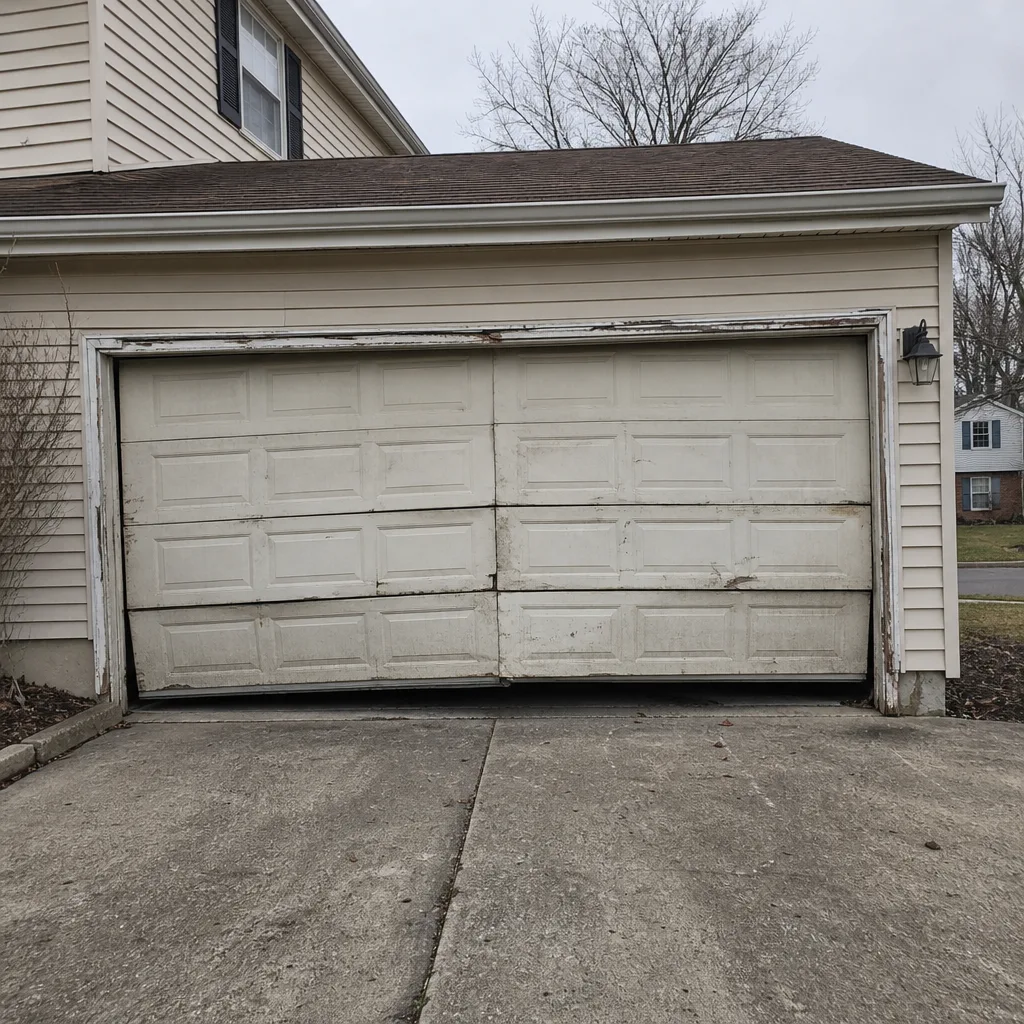 Before
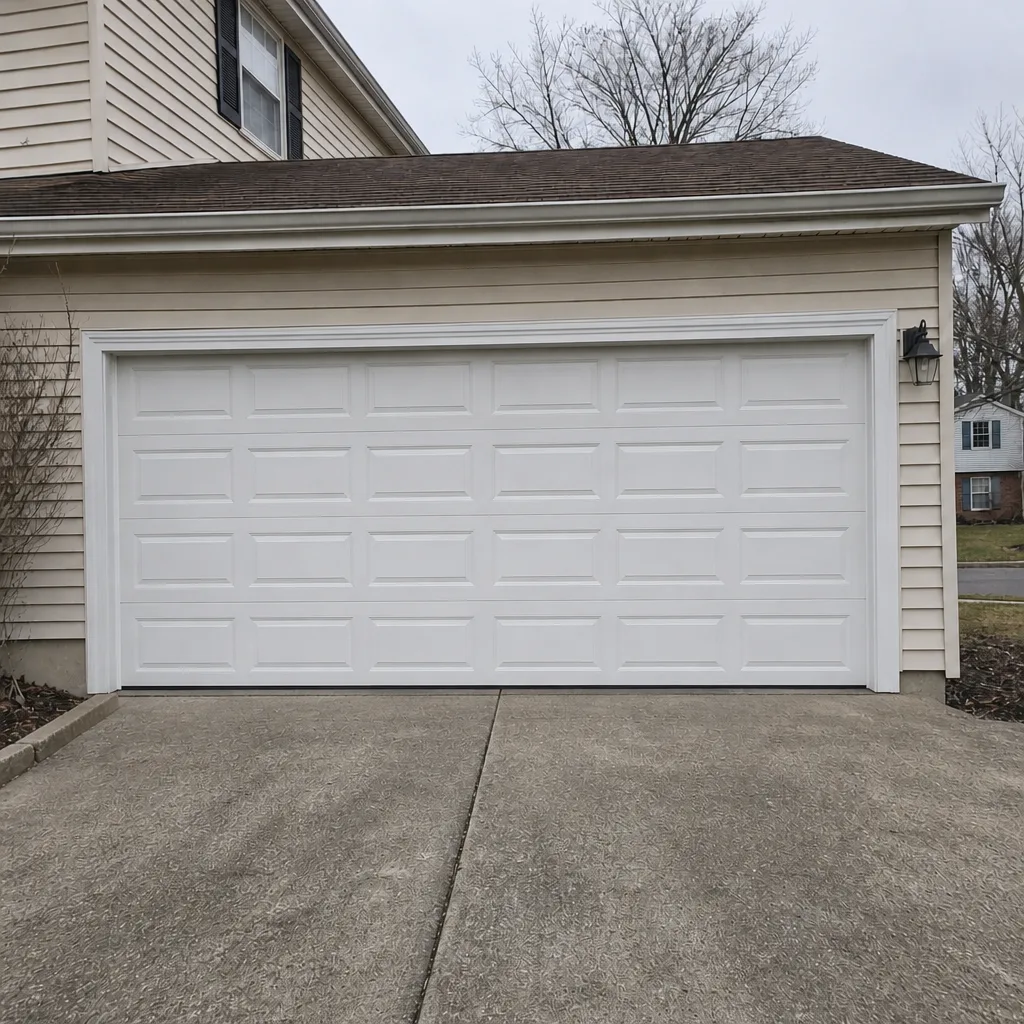 After
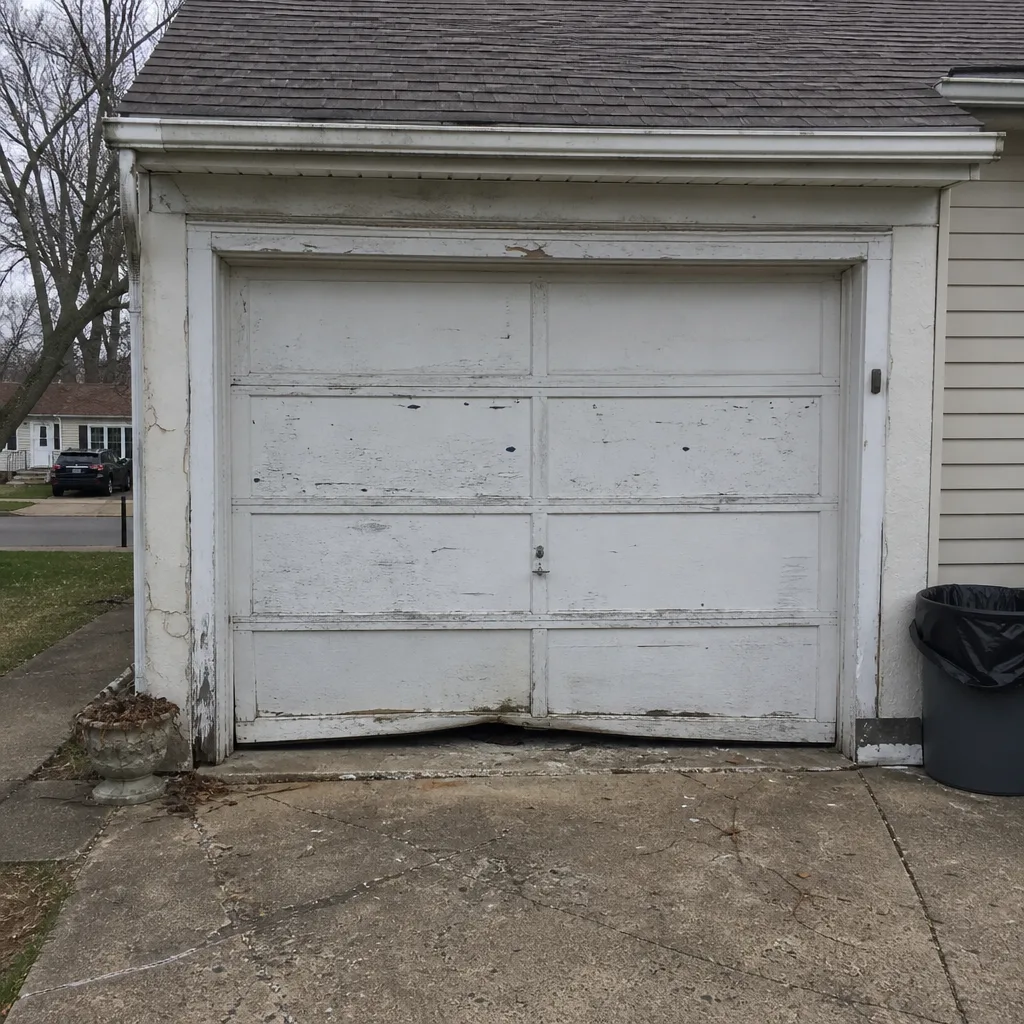 Before
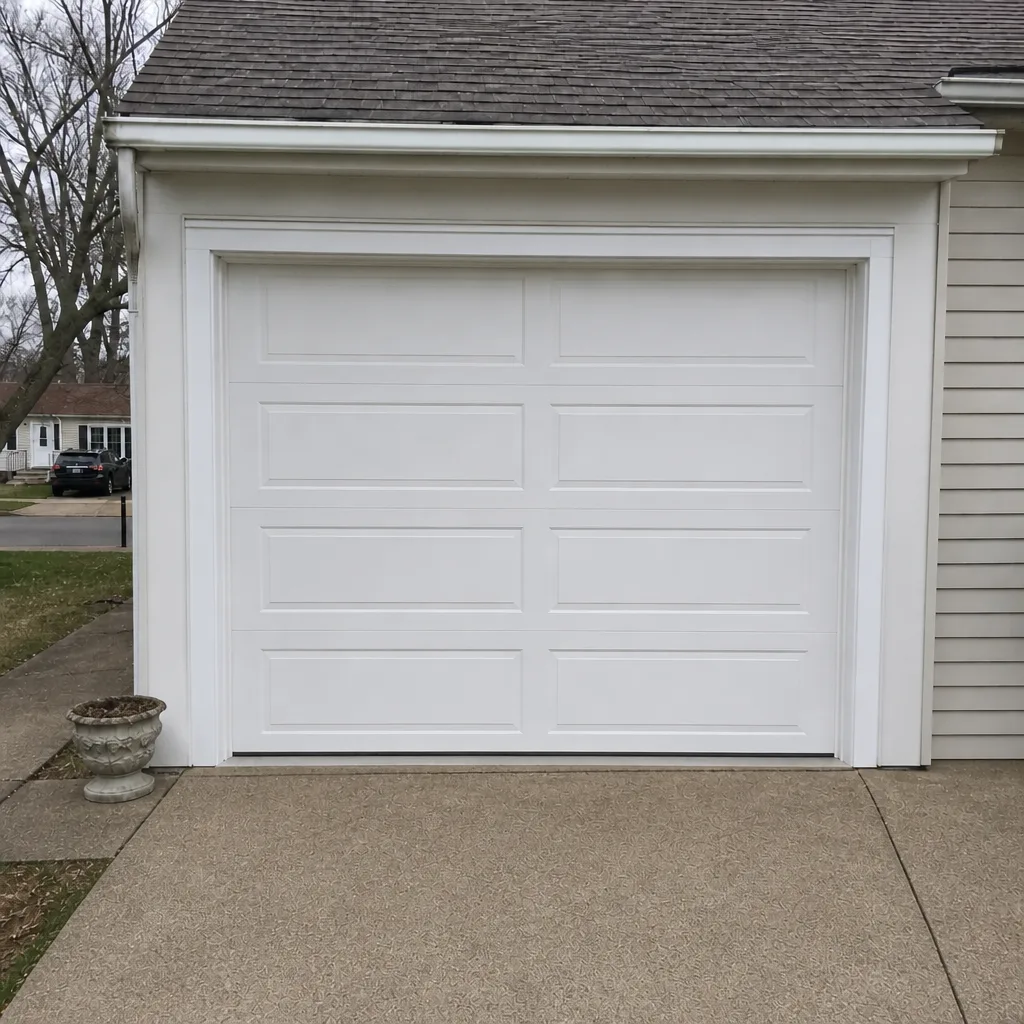 After
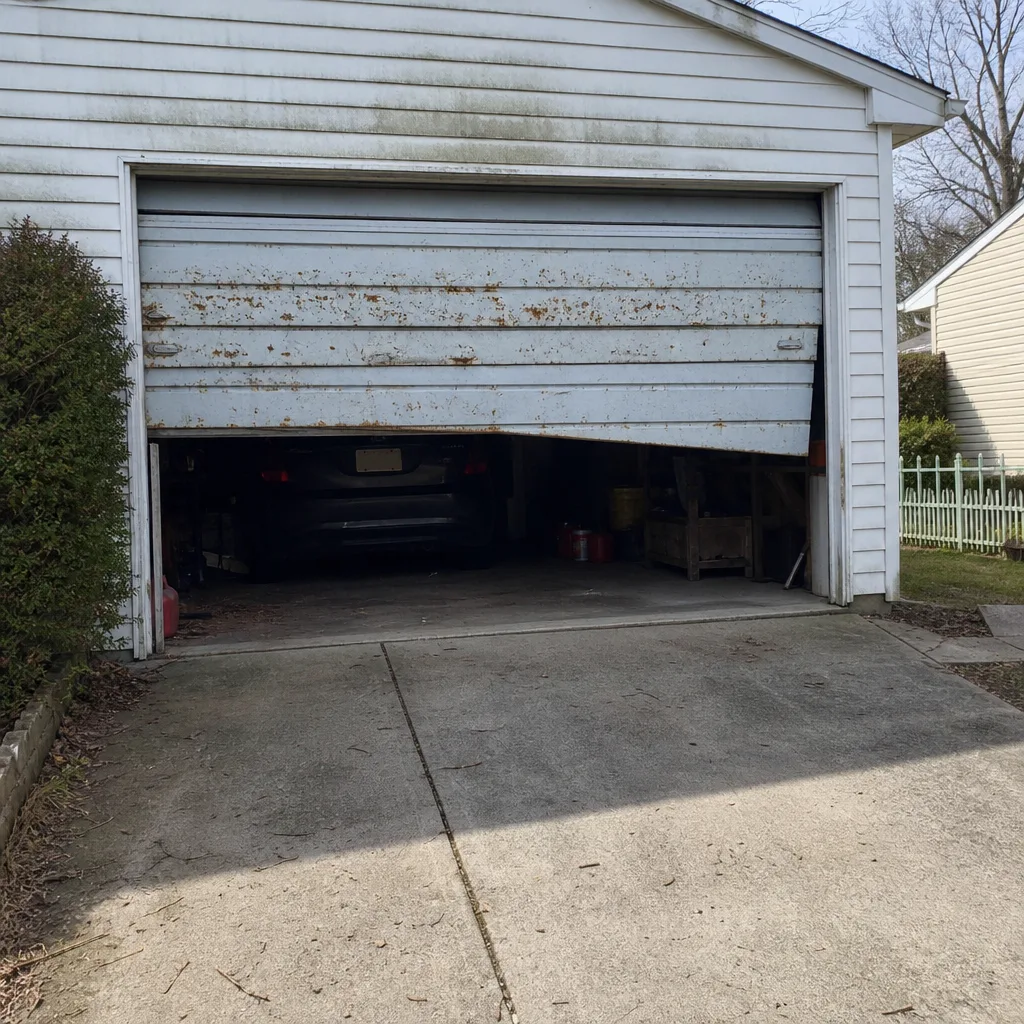 Before
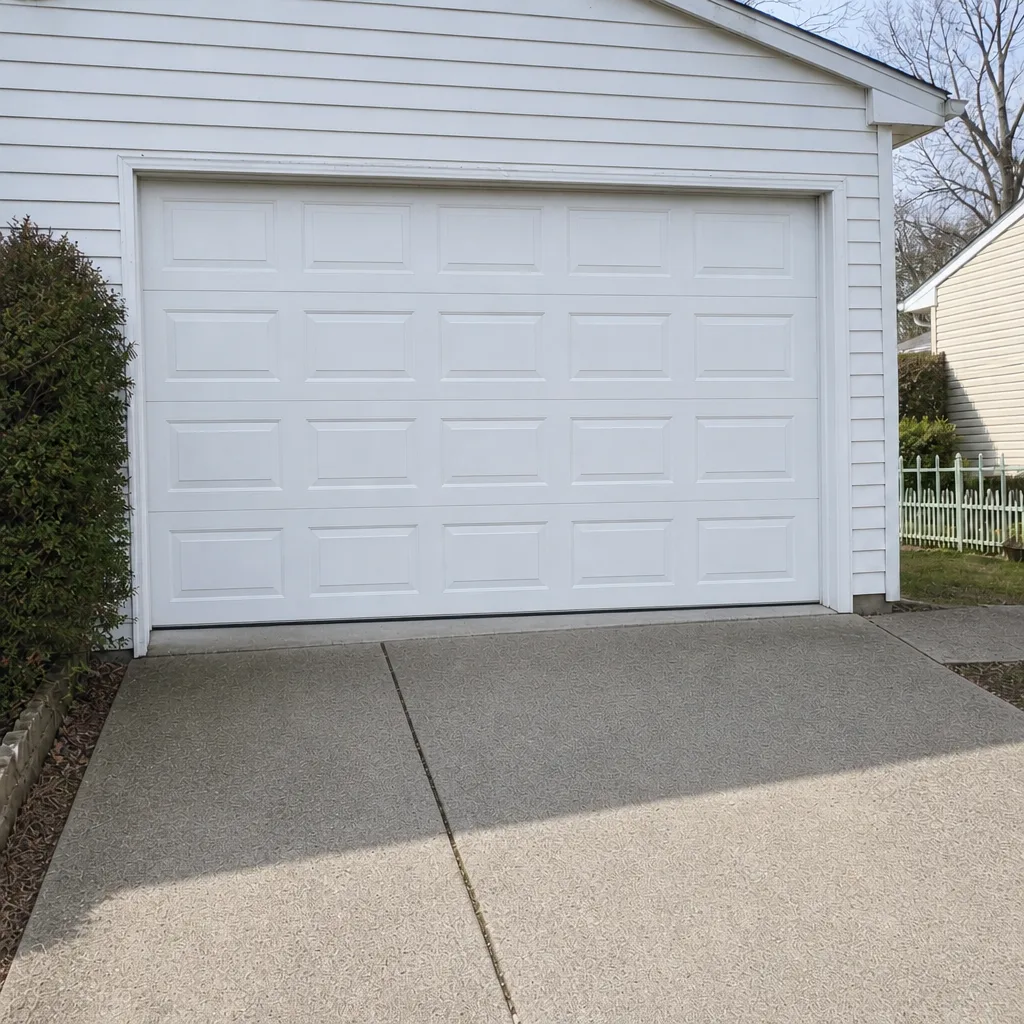 After
When to Call a Professional
Call a professional the moment the door stops staying up on its own, one side lags or looks crooked, a cable has come loose, or the door has been hit by a vehicle or fallen object. Those are the calls where stored tension or structural damage makes any further DIY handling risky. Also call when the opener hums but won’t move the door, when the door reverses repeatedly at the same spot, or when you’ve tried the safe fixes and the symptom won’t clear.
Cherry Hill Garage Door Repair Pros offers free estimates in Cherry Hill – call (833) 772-5404. Our technicians have up to 14 years of experience across major brands and both torsion and extension systems, and we’ll tell you plainly whether you need a repair or a replacement. The written estimate sets the final price, and every quote is agreed before any work starts.
Frequently Asked Questions
Not necessarily, and probably not. The most common causes are misaligned photo-eye sensors, a force limit set too low, a binding track or roller, or a door that’s out of balance from a weak spring. Start with the manual release test and clean the sensor lenses; if the door still reverses at the same spot, the issue is likely in the track or rollers, which a technician can diagnose. Call (833) 772-5404 and we’ll help you sort out which one you’re dealing with – estimates are free.
No. Torsion and extension springs hold hundreds of pounds of stored energy, and the tools and methods for winding them are not something a homeowner should attempt. A mistake can cause serious injury, and even a “successful” DIY replacement often leaves the door out of balance. Call a professional.
Pull the manual release and move the door by hand. If the door moves smoothly and stays where you put it, the door is fine and the opener is at fault. If the door fights you, won’t stay up, or binds, the door is at fault and the opener is doing its job. That single test separates the two cases.
Cold contracts metal slightly and stiffens lubricant, so the door’s resistance goes up in winter. A door that’s marginally balanced in October can bind enough in January to trip the opener’s safety reversal. The fix is usually lubrication plus a spring balance check, not a new opener.
Most likely, yes. We work on equipment from LiftMaster, Chamberlain, Genie, Clopay, Amarr, Wayne Dalton, Craftsman, and Raynor, and each brand handles a little differently. When you call, tell us the brand and model if you know it, and we’ll be ready. Call (833) 772-5404 for a free estimate.
For emergencies – a broken spring, a door that won’t open, or anything that leaves the house unsecured – we offer emergency garage door service and can usually arrange same-day help. Regular repairs are scheduled around your availability. Call (833) 772-5404 for a free estimate and we’ll find a time that works.
The Bottom Line
Every garage door problem is a system problem, not a part problem. The spring, cables, tracks, rollers, sensors, and opener all depend on each other, and the symptom you see is usually one component reporting on another. Start every diagnosis with the manual release test. That tells you whether you’re chasing an opener fault or a door fault, and it costs nothing. Handle the safe items – sensor cleaning, lubrication, remote batteries, travel limits – yourself. Leave the springs, cables, tracks in disrepair, and internal opener work to a technician who knows the trade.
Cherry Hill’s humidity and cold swings put real wear on roller and track systems, and a seasonal checklist prevents most of the calls that could have been avoided. When you need help, whether that’s a repair or a replacement, we’re set up to handle it for the brands you already own. From repairing what you have to installing what you need, we’ll get your door restored and reliable.
Ready for a straightforward diagnosis? Call (833) 772-5404 and we’ll give you a free estimate in Cherry Hill. Our technicians have up to 14 years of experience, the price is quoted and agreed before any work starts, and the written estimate sets the final price.
Written by the team at Cherry Hill Garage Door Repair Pros.