Last updated November 23, 2026
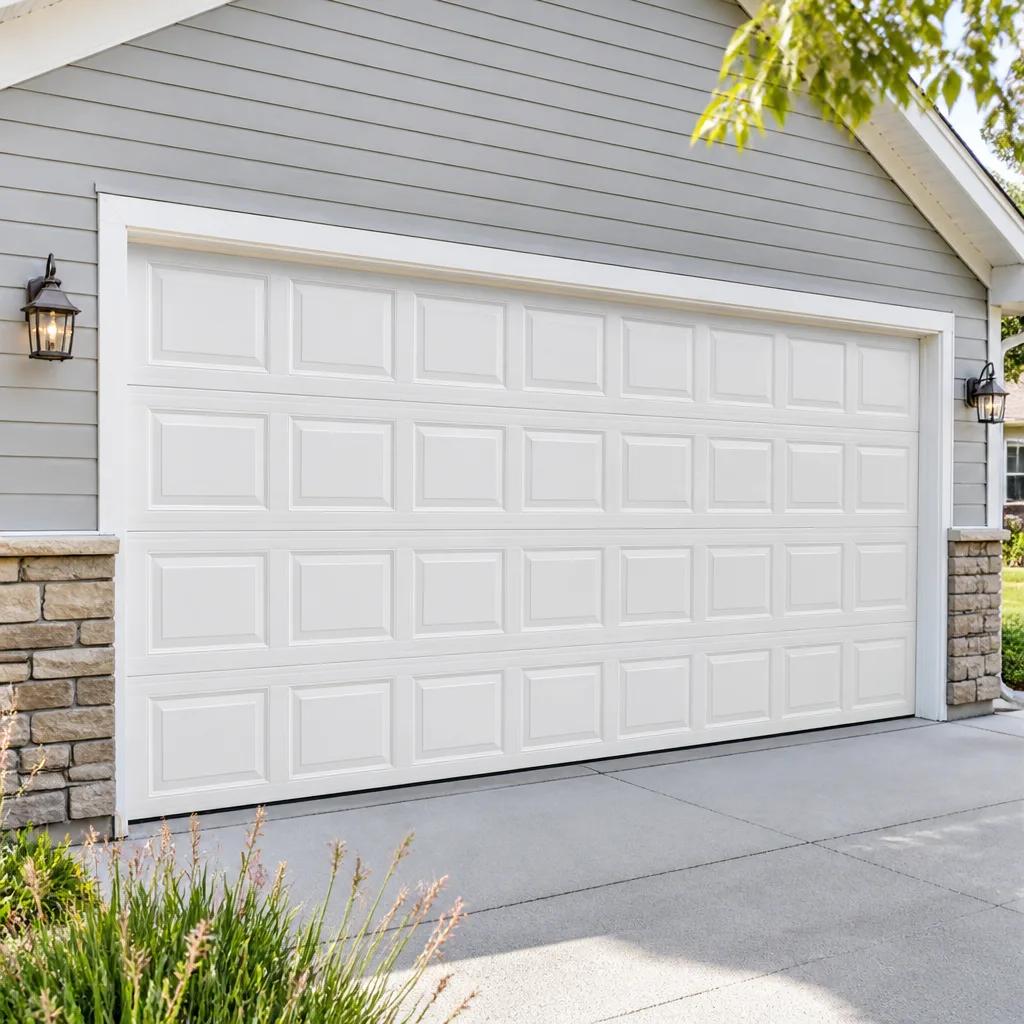 Raised-panel steel
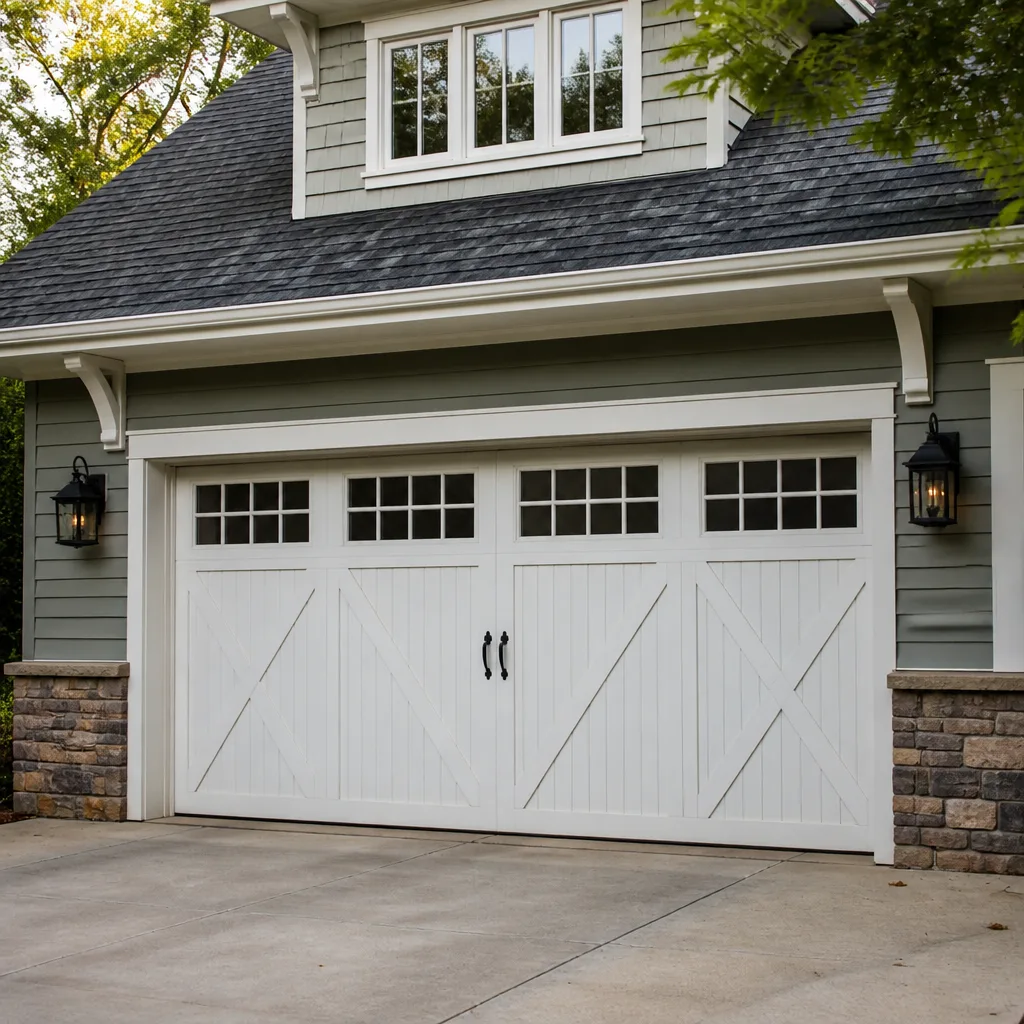 Carriage house
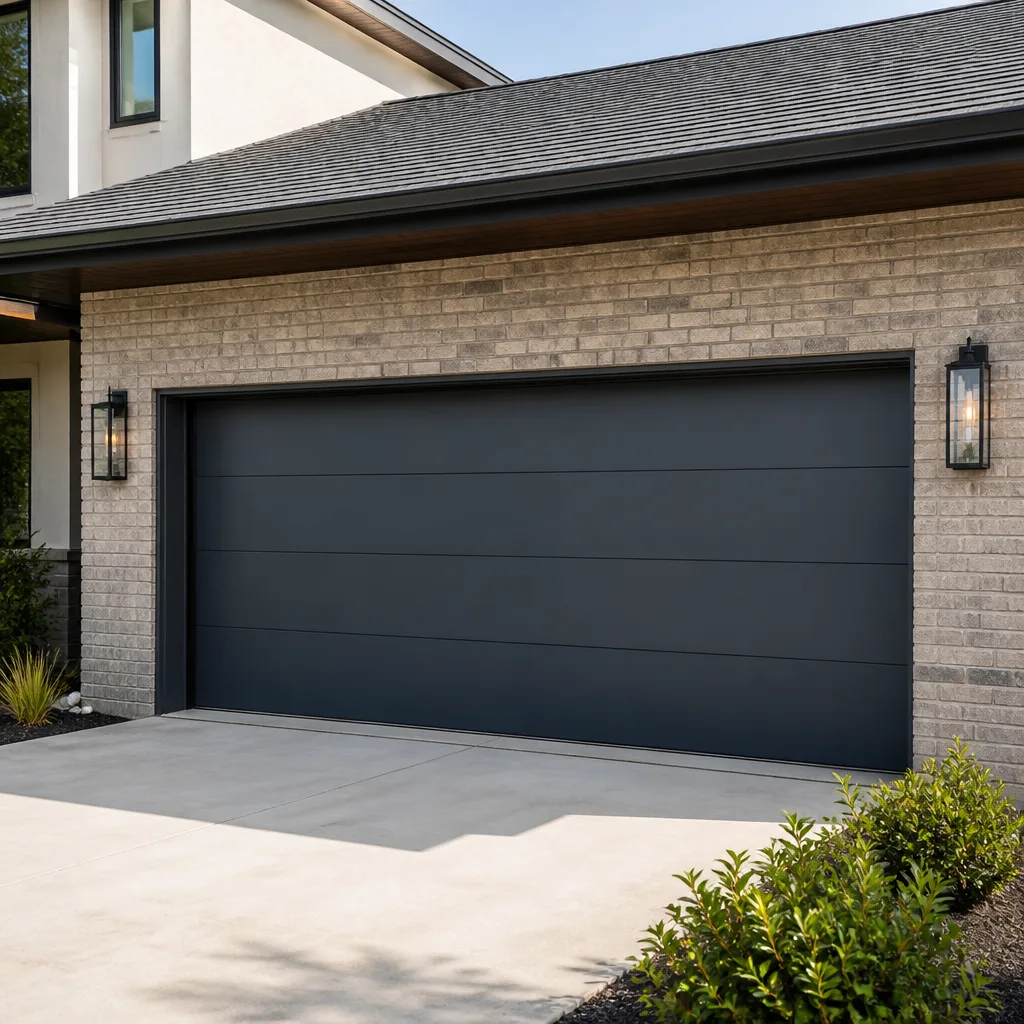 Modern flush
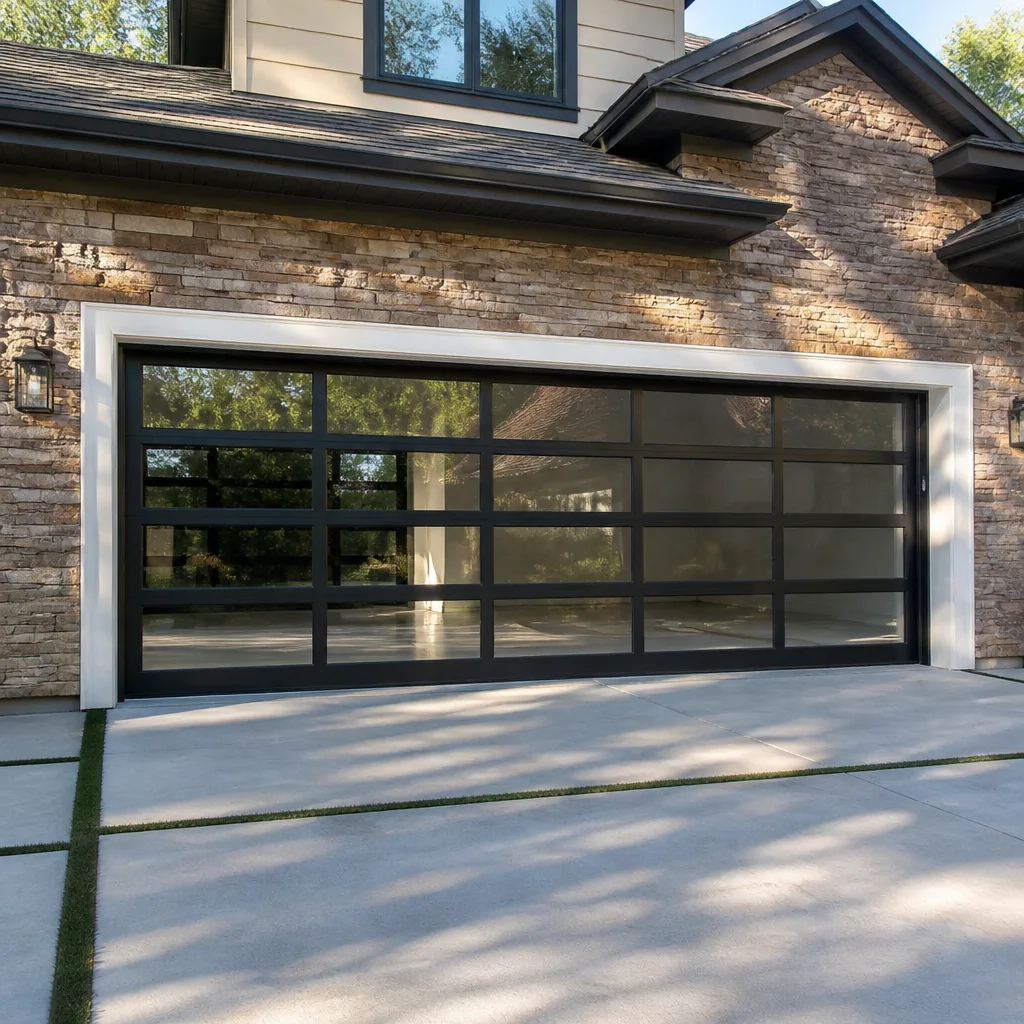 Full-view glass
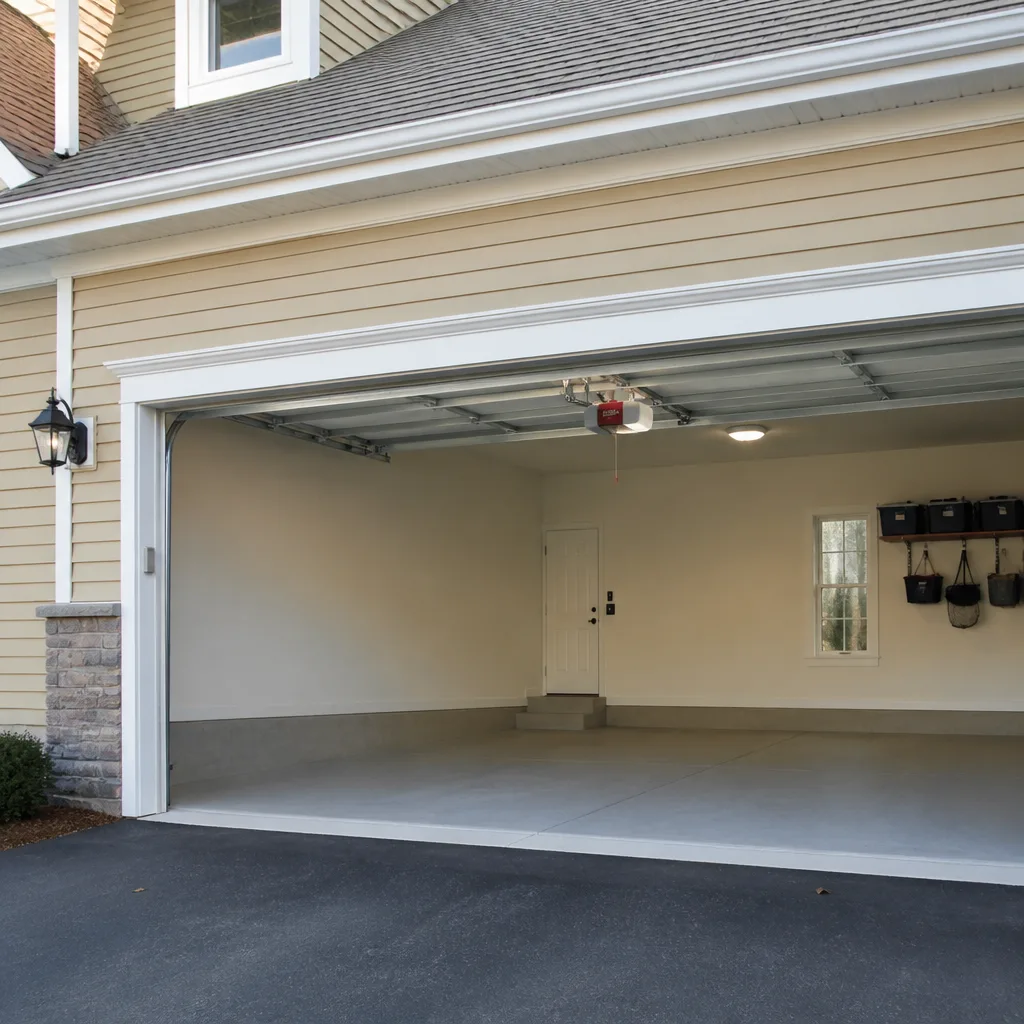 LiftMaster openers
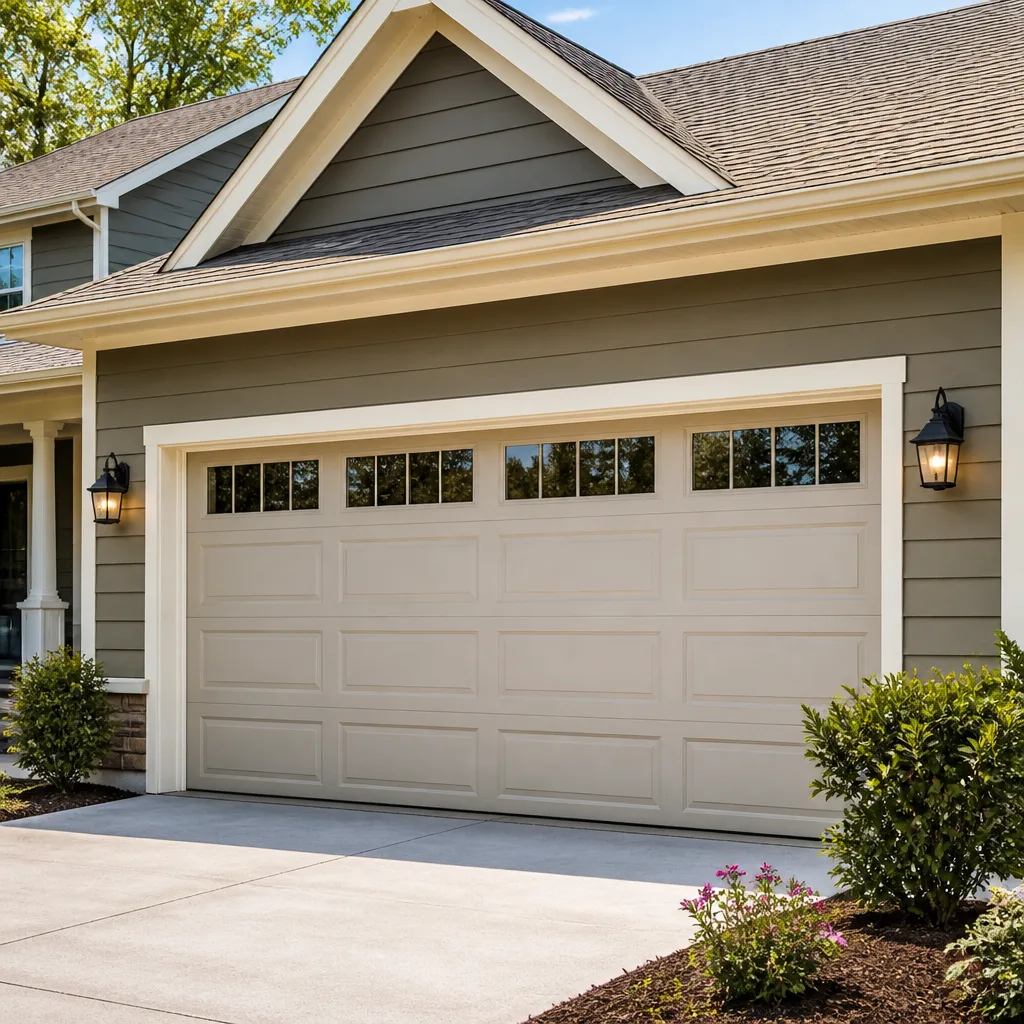 Chamberlain openers
Full 25-point door and opener safety check with every visit - springs, cables, rollers, tracks, and your LiftMaster or Chamberlain opener included
You get a price before we start. It does not change when the pro arrives.
Get your free estimateGarage Door Repair Maintenance Schedule: What to Do and When
Most maintenance guides tell you to “lubricate annually” and call it a checklist. That advice isn’t wrong, but it’s nearly useless. A torsion spring doesn’t care what month it is. It cares how many times you’ve opened the door. Springs wear on a cycle count, rollers wear on a time-and-load count, and weather seals wear on the seasons. Treat every part the same and you’ll replace things too early or, worse, miss the part that’s about to fail. This guide ties each task to the way that specific component actually degrades, so you know what to check monthly, what to check twice a year, and what to budget for years ahead. By the end you’ll have a schedule you can actually keep in Cherry Hill.
Quick Answer
A practical garage door maintenance schedule is built around three time frames: check the balance and cables monthly, inspect and lubricate rollers, hinges and the opener drive twice a year, and plan for spring replacement based on cycle count rather than calendar age. A standard torsion spring is rated for roughly 10,000 cycles, so a Cherry Hill household that opens the door twice a day will reach that limit in about 10 years. Replace weatherstripping when it hardens or tears, usually every few seasons, and replace steel rollers every 5 to 7 years. Everything else is inspection, cleaning and lubrication.
Styles & brands we work with
- Raised-panel steel
- Carriage house
- Modern flush
- Full-view glass
- LiftMaster openers
- Chamberlain openers
Table of Contents
- Why Generic Maintenance Advice Fails
- Springs: Schedule by Cycle Count, Not the Calendar
- The 60-Second Balance Test You Can Run Monthly
- Rollers and Cables: Two Different Wear Clocks
- Seasonal Prep for Cherry Hill Weather
- Lubrication: Which Product Goes Where (and What Not to Use)
- Building a Maintenance Log That Saves You Money
- Common Mistakes to Avoid
- When to Call a Professional
- Frequently Asked Questions
Why Generic Maintenance Advice Fails
Here’s the problem with “lubricate annually.” Every part on your garage door has its own failure curve. A torsion spring is a metal bar under constant twisting load, and it fails on cycles. A nylon roller wears on both cycles and time, and a cheap steel roller can flat-spot in a couple of years. Weatherstripping fails on ultraviolet exposure and freeze-thaw cycling. The opener’s drive screw or belt wears on load. If you check all of them once a year and call it done, you’re over-servicing some parts and neglecting others.
The right approach is to think in tiers. Some checks take under a minute and should happen monthly. Others take twenty minutes and belong on a twice-a-year calendar. Replacement items like springs and rollers shouldn’t be guessed at all. They follow predictable lifespans you can track and budget for.
This matters more in Cherry Hill than in a mild climate. Our winters bring repeated freeze-thaw cycles that work on seals and hardware, and our summers bring humidity that finds every unpainted steel surface. A schedule written for a dry climate will leave you replacing bottom seals every spring. A schedule written for Cherry Hill accounts for both extremes.
Here’s how we break the schedule down at Cherry Hill Garage Door Repair Pros when a homeowner asks us what they should actually be doing:
- Monthly: balance test, visual cable check, listen for new noises
- Twice a year: roller and hinge inspection, lubrication, weatherstripping check, hardware tightening
- Every 5 to 7 years: steel roller replacement, opener drive inspection
- On cycle count: spring replacement planning
That’s the whole schedule in four lines. The rest of this guide is the detail behind each one.
Springs: Schedule by Cycle Count, Not the Calendar
A torsion spring has a rated cycle life. Standard springs are rated at about 10,000 cycles. A cycle is one open and one close. If your Cherry Hill household leaves and returns twice a day, that’s four cycles, or about 1,460 cycles a year. Ten thousand cycles divided by 1,460 puts you right around the seven-year mark, not the ten you might guess. Double that usage and you’re looking at three and a half years.
This is why “replace your spring every ten years” is bad advice. A family with two drivers who both come and go all day will wear out a spring in half the time of a retired couple who open the door once a day. The math is simple once you know your number.
How to calculate your spring timeline:
- Count how many times the door opens on a typical weekday. Multiply by two for the up-and-down cycle.
- Multiply that daily cycle count by 365 to get annual cycles.
- Divide 10,000 by your annual cycles. The result is roughly how many years a standard spring will last.
- Write the target year on a piece of tape inside the garage. That’s your replacement planning date.
Higher-cycle springs are available if you want more margin, and they cost more upfront. For a household with heavy daily use, that math often works out. If you’re not sure which spring rating you have, that’s a question a technician can answer during a routine visit.
Worn springs give warning signs before they snap. The door gets heavier to lift by hand. It doesn’t stay open at the halfway point. You hear a light pinging or popping as it moves. Those aren’t quirks. They’re the spring telling you it’s near the end of its rating. This is the exact service that garage door spring repair exists for, and it’s not a job to attempt yourself. Torsion springs store enough energy to cause serious injury. A trained technician uses proper winding bars and follows a specific sequence to release and reset that tension. That’s a hard safety line we don’t cross, and neither should you.
The 60-Second Balance Test You Can Run Monthly
There’s one check that catches more problems than any other routine task, and it takes about a minute. It’s the balance test. It tells you whether your springs and cables are doing their share of the lifting, or whether the opener is quietly making up the difference.
The balance test, step by step:
- Close the door and pull the manual release cord on the opener trolley. This disconnects the door from the motor.
- Lift the door by hand to about waist height. It should feel light, not heavy. If it fights you, the springs are losing tension.
- Let go at the halfway point. A balanced door stays put, maybe drifting an inch or two.
- Lift it to about three feet off the ground and let go again. It should hold. If it slides down fast, the springs are weak or one has broken.
- Close the door fully and look at the lift cables on each side. They should be taut and sitting flat in their drums. Frayed, slack or crossed cables are a stop-and-call problem.
- Reconnect the opener by running it until the trolley re-engages, or pull the cord again as the door closes.
A door that fails this test will eventually damage the opener, because the motor ends up lifting weight the springs should be carrying. That turns a spring replacement into a spring plus opener replacement.
We recommend running this test on the first of every month, which is easy to remember. If the door fails it twice in a row, stop using the opener and call for a professional check. A door with a broken or failing spring can drop without warning.
Rollers and Cables: Two Different Wear Clocks
Rollers and cables are both small parts that fail with consequences, but they wear on very different timelines, and treating them the same way is a common mistake.
Rollers. Inspect every six months and expect to replace steel rollers every 5 to 7 years. Nylon rollers hold up better and last longer, but they still develop flat spots and cracks. You can usually see wear by looking closely. Flats, chips, cracks in the nylon, or a wobble when the door moves all point to replacement. Rollers run a few dollars apiece, and replacing them is quick and inexpensive compared with the damage a seized roller can do to the track or the opener’s lifting force.
Cables. Cables are under high tension and connect the door to the spring system. Check them visually every six months and during every balance test. Look for broken strands, kinks and rust. Cables fray from the inside out, so a light fuzz on the surface is often the last thing you’ll see before a failure. A cable that snaps under load can whip, and that’s a genuine hazard. If a cable looks wrong, don’t operate the door and don’t try to fix it yourself.
Roller chassis and hinge plates should be wiped clean and lightly lubricated during the same twice-a-year inspection. Dust and grit on an unlubricated hinge pin will wear it out faster than any amount of use. This is the sort of detail that separates an efficient maintenance routine from a reactive one, and it’s part of what a good garage door repair visit will cover when something does go wrong.
Seasonal Prep for Cherry Hill Weather
Cherry Hill’s climate puts a specific load on a garage door. Winters bring repeated freeze-thaw cycles, and summers run humid enough that bare steel finds a way to rust. Your seasonal prep should track those two extremes rather than one generic “fall maintenance” list.
Before winter:
- Run the balance test again. A weak spring feels fine in warm weather and struggles in the cold, when rubber and grease thicken.
- Check the bottom seal along its full length. Look for tears, hard spots and gaps at the corners. A hardened seal lets in cold air and water, which then freezes and tears it further.
- Clear leaves and grit from the track, especially the lower sections where debris collects. A track packed with frozen grit will bind the door.
- Make sure the door opener’s force settings haven’t been raised to compensate for a stiff door. If someone has turned up the sensitivity to get through last winter, the underlying problem is still there.
Before summer:
- Look at the track, hinges and roller brackets for rust bloom. Surface rust where the paint has worn is common in a humid Cherry Hill summer and easy to catch early.
- Wipe down the weatherstripping and wipe the seals where grit has collected.
- Re-lubricate the hinges, rollers and opener drive per the product rules below.
- Check for water pooling near the door after heavy summer rainfall. If the seal is letting water in, replace it before it becomes a floor problem.
Each seasonal pass takes about twenty minutes. Do it twice a year and you’ll catch most of the small items before they turn into replacement jobs.
Lubrication: Which Product Goes Where (and What Not to Use)
This is the section where DIY advice is most often wrong. A very common mistake is grabbing a can of WD-40 and spraying every moving part. WD-40 is a solvent and water displacer, not a lubricant. It cuts existing grease and leaves a thin film that evaporates. On a garage door, it can strip the factory lubricant out of hinges and rollers and accelerate wear. Don’t use it as your door lubricant.
Here’s what actually belongs on each part:
- Hinges and roller bearings: a white lithium grease or a dedicated garage door lubricant. Wipe off the old grease first, then apply a thin coat to the pin, not the roller itself.
- Roller shafts: a little lubricant on the shaft where the roller sits, not on the roller wheel surface.
- Torsion spring: a light coating of garage door lubricant on the spring coil reduces friction and slows rust on the wire. Some springs ship with a light oil film from the factory and don’t need much.
- Opener drive screw: a drive screw opener needs a specific screw-drive lubricant, not grease. A greased screw can slip on the drive. Check the opener manual or ask a technician which product fits your model.
- Opener chain or belt: a chain gets a light coat of chain lube. A belt generally needs nothing. Over-lubricating a belt can attract grit and cause slip, so leave it alone.
- Do not lubricate: the track itself, or the roller wheels. The track stays clean and dry. Grease on the track collects grit that wears the rollers faster.
If you have a LiftMaster or Chamberlain opener with a belt drive, the belt usually needs nothing more than a visual check and a wipe down. A Genie chain drive will benefit from a light application of the right lubricant on the chain. If you don’t know which your model uses, the label inside the opener housing tells you, or a technician will know at a glance. For anything that keeps failing despite regular lubrication, our garage door opener repair covers the full range of major opener systems.
Building a Maintenance Log That Saves You Money
A maintenance log is one of those things that sounds fussy until you need it. When a technician shows up to a Cherry Hill door they’ve never seen, a short log tells them more in thirty seconds than fifteen minutes of poking around would. It also keeps you from paying twice for the same diagnosis.
What to record:
- Door make and model, if you can find it on the label. Clopay and Amarr doors are everywhere in South Jersey, and knowing the exact model means the right parts get ordered the first time.
- Opener make and model. Same reason. LiftMaster, Chamberlain and Genie models each use different parts and settings.
- Date of spring replacement, the number of springs, and the rated cycle count if the technician tells you.
- Roller replacement date and type (steel or nylon).
- Opener repair history, any motor, circuit board, sensor or remote work.
- Notes on problems you’ve noticed that weren’t fixed at the time. A slight noise or a stubborn close can be the first sign of wear.
- Photo of the door and label on your phone. That saves the technician a trip before a repair.
Keep the log wherever you keep home records, or tape a simple index card inside the garage near the opener. Update it after every service visit. When you’re ready to sell the house, a documented maintenance history is a small but real selling point to a buyer who’s already worried about a door and an opener.
For more context on how our team works and what a service visit looks like, Cherry Hill Garage Door Repair Pros is the place to start.
Common Mistakes to Avoid
- Using WD-40 as your garage door lubricant. It’s a solvent, not a grease. It strips the existing film off hinges and rollers and leaves them drier than before. Use white lithium grease or a dedicated door lube instead.
- Ignoring the balance test. Most homeowners only address a door that’s already stuck. The monthly balance test flags a failing spring weeks before it snaps, when you still have a working door and time to schedule the repair.
- Trying to adjust or replace a torsion spring yourself. A torsion spring under full tension stores enough force to cause serious injury. This is the single most dangerous job on the whole door, and it’s not a DIY project even for someone handy.
- Letting a track go without cleaning. Grit and leaves in the track are the most common cause of a door that binds and eventually fails, and they take five minutes to clear. Cherry Hill’s leaf-fall season makes this one easy to overlook.
- Turning up the opener force setting to compensate for a stiff door. That’s not a fix. It masks a spring or roller problem and eventually burns out the opener motor.
- Replacing one spring of a matched pair. Springs on a two-spring door are almost always replaced together. Putting in one new spring next to a used one usually causes the old one to fail shortly after, and you end up paying for the same job twice.
- Never writing anything down. Without a log, you’ll have a technician re-diagnosing the same door every couple of years, and you’ll replace parts that were already replaced recently.
When to Call a Professional
Some jobs are safe to do yourself. Balance tests, keeping the track clean, wiping down hinges and applying the right lubricant are all reasonable for a careful homeowner. The line is anything under spring tension or anything that affects how the door holds itself open. Call a professional immediately if a spring has snapped (the door may have dropped or is sagging on one side), if a cable is frayed, slack or crossed, if the door won’t stay balanced at halfway, if it’s coming off its track, or if any part of the mechanism makes a new clunking or snapping sound. A door that won’t close is also a security problem, and it doesn’t wait for a convenient time. Cherry Hill Garage Door Repair Pros offers free estimates in Cherry Hill, and our emergency service is available because a door that won’t open or close is a real security issue, not an inconvenience. Call (833) 772-5404.
Frequently Asked Questions
A garage door should be checked on three time frames: a balance test and visual cable check monthly, a lubrication and roller inspection twice a year, and a professional service visit as needed. The twice-a-year lube and hardware check covers most wear items. Springs follow a cycle count rather than a schedule, and rollers should be replaced every 5 to 7 years. If you’ve never had the door serviced, a professional inspection is a good baseline. Call (833) 772-5404 for a free estimate.
A spring that’s about to break usually shows warning signs first: a heavier door, a door that won’t stay at halfway, a light ping or pop during travel, and visible gaps or separation in the coil. Torsion springs also tend to loosen in tension slowly over time before they let go. A failing balance test is the clearest signal. If the door fails it twice in a row, stop using the opener and get it looked at. Call (833) 772-5404 for a free estimate.
Lubricating hinges, roller shafts and the opener chain or drive is safe for a careful homeowner, using the right product. Do not attempt to lubricate a torsion spring that’s under tension, and don’t try to adjust the spring itself. Use white lithium grease or a dedicated garage door lubricant, never WD-40 as a lubricant. For anything involving the spring, call (833) 772-5404.
Before the first hard freeze in Cherry Hill, run the balance test, inspect the bottom seal for tears and gaps, clear leaves and grit from the lower track sections, and make sure the opener force setting hasn’t been raised to compensate for a stiff door. These four steps cover the most common winter-failure causes. Any sign of a weakened spring means a professional check before the cold sets in. Call (833) 772-5404 for a free estimate.
If your door has two springs, replace both. A two-spring door is designed so the springs share the load, and replacing only one leaves a used spring next to a new one. The old spring typically fails soon after, and you end up paying for the same job twice. The technician will confirm whether your door uses one spring or a matched pair. Call (833) 772-5404 for a free estimate.
Yes, and it’s the cheapest thing on this list. A short log of door and opener models, spring replacement dates, roller changes and any previous repairs means a technician can diagnose a new problem faster. It also prevents paying to replace a part that’s already new. Keep the log near the opener and update it after every service visit. Call (833) 772-5404 if you’d like us to check anything on your door.
The Bottom Line
Garage door maintenance works when you match the task to the part. Run the balance test monthly and check the cables at the same time. Lubricate hinges, rollers and the opener drive twice a year with the right product, not WD-40. Prepare the door for winter and for the humid Cherry Hill summer on their own schedules. Replace steel rollers every 5 to 7 years. Most importantly, do the spring math once, write down the target year, and budget for it before the snap catches you off guard. Keep a short maintenance log, and any technician who visits will get the job done faster and cheaper. Everything above is a check or a clean; the actual spring and cable work belongs to a trained professional. From repairing what you have to installing what you need, Cherry Hill Garage Door Repair Pros works on your brand, whether that’s a LiftMaster opener, a Clopay door or a Chamberlain system.
Call Cherry Hill Garage Door Repair Pros at (833) 772-5404 for a free estimate. Our technicians have up to 14 years of experience, and we’ll walk you through what your door needs and what it can wait on. Estimates are free, and the price is quoted and agreed before any work starts.
Written by the team at Cherry Hill Garage Door Repair Pros.
See the difference
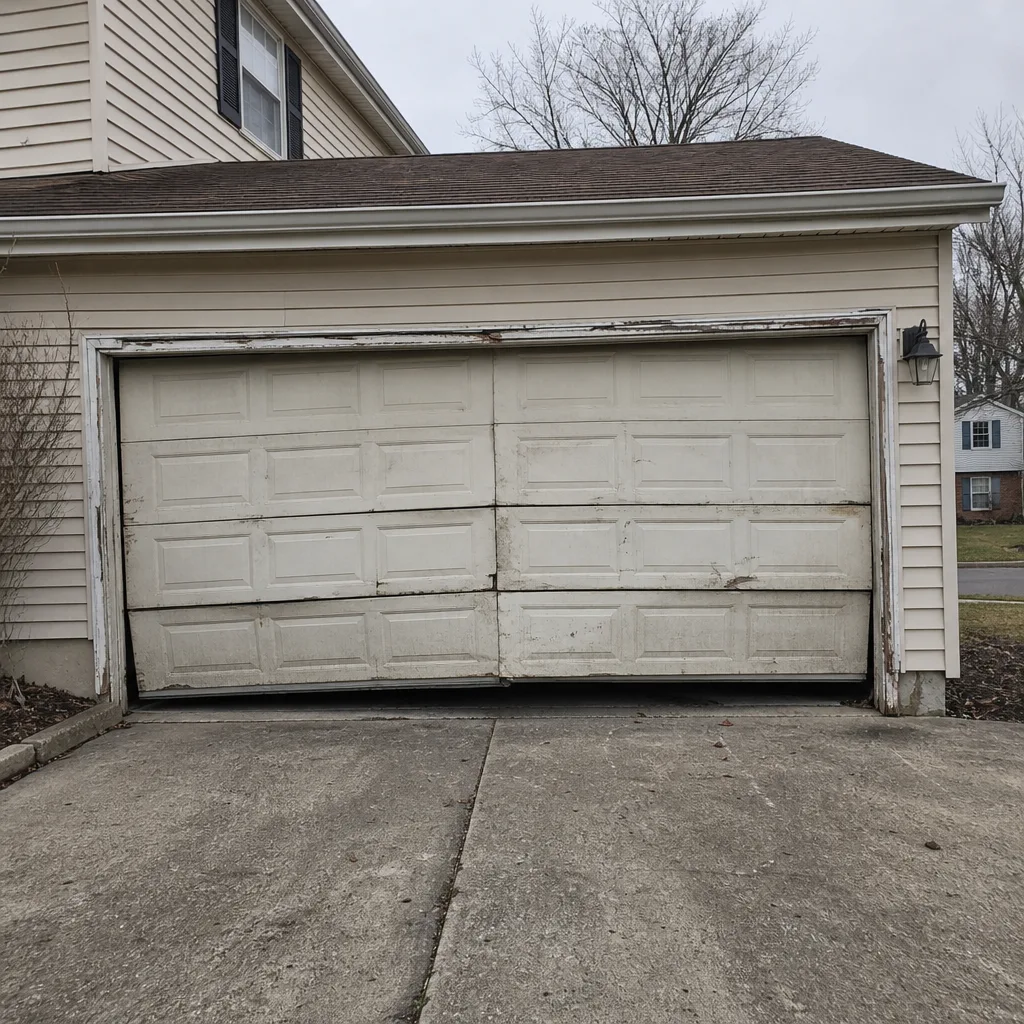 Before
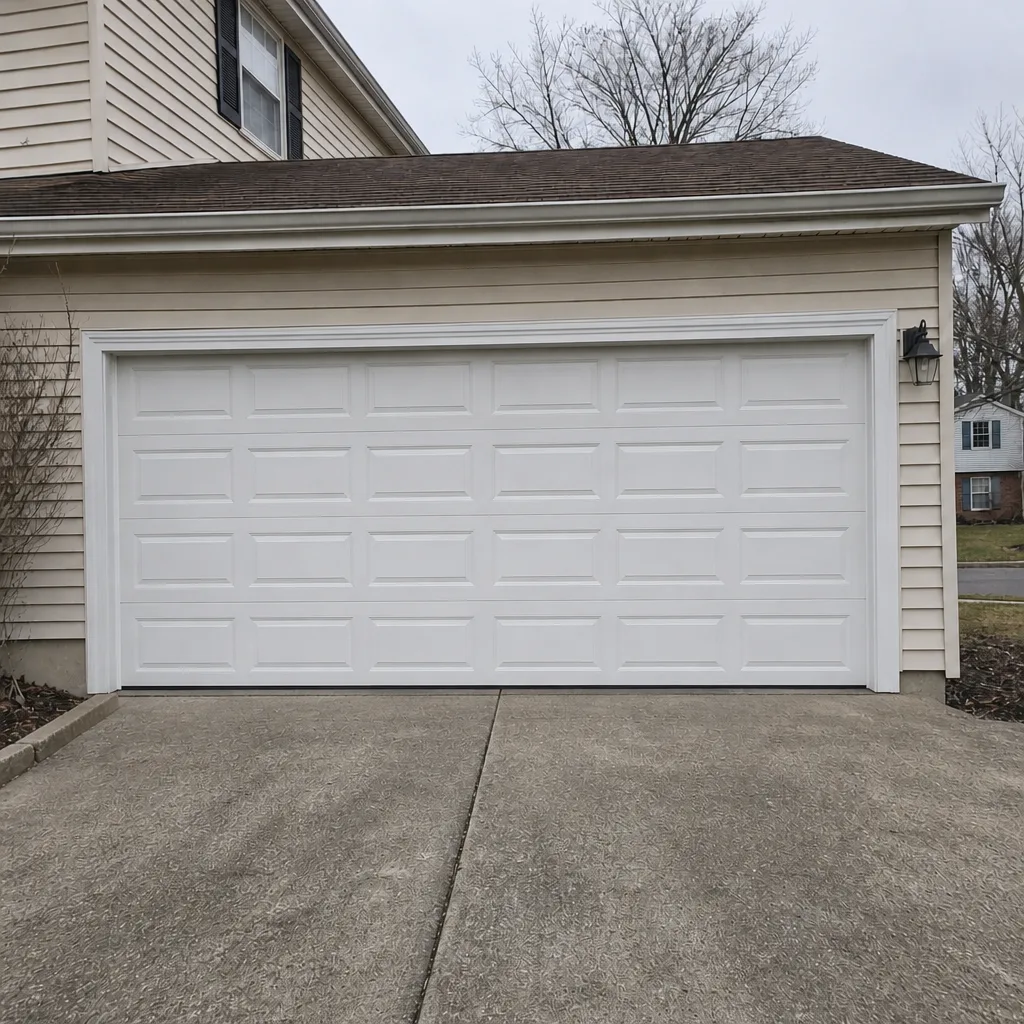 After
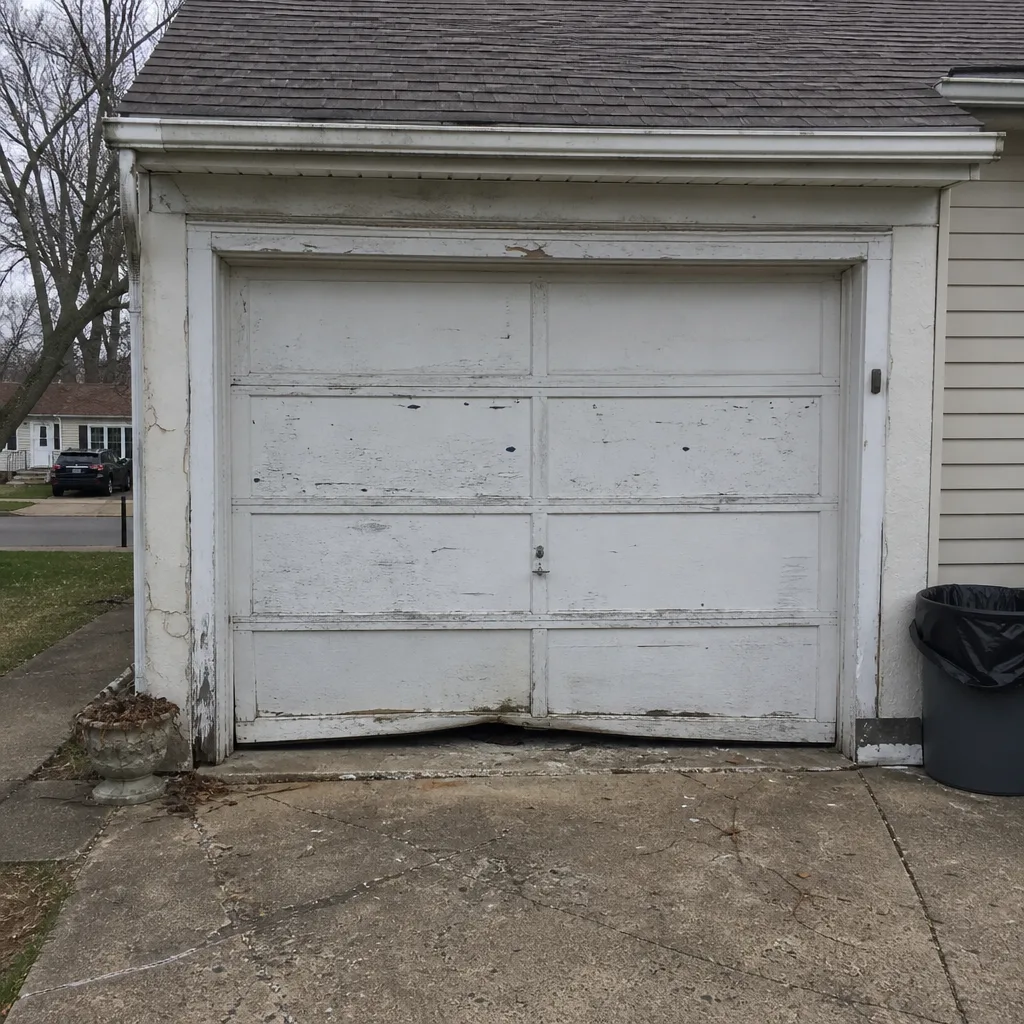 Before
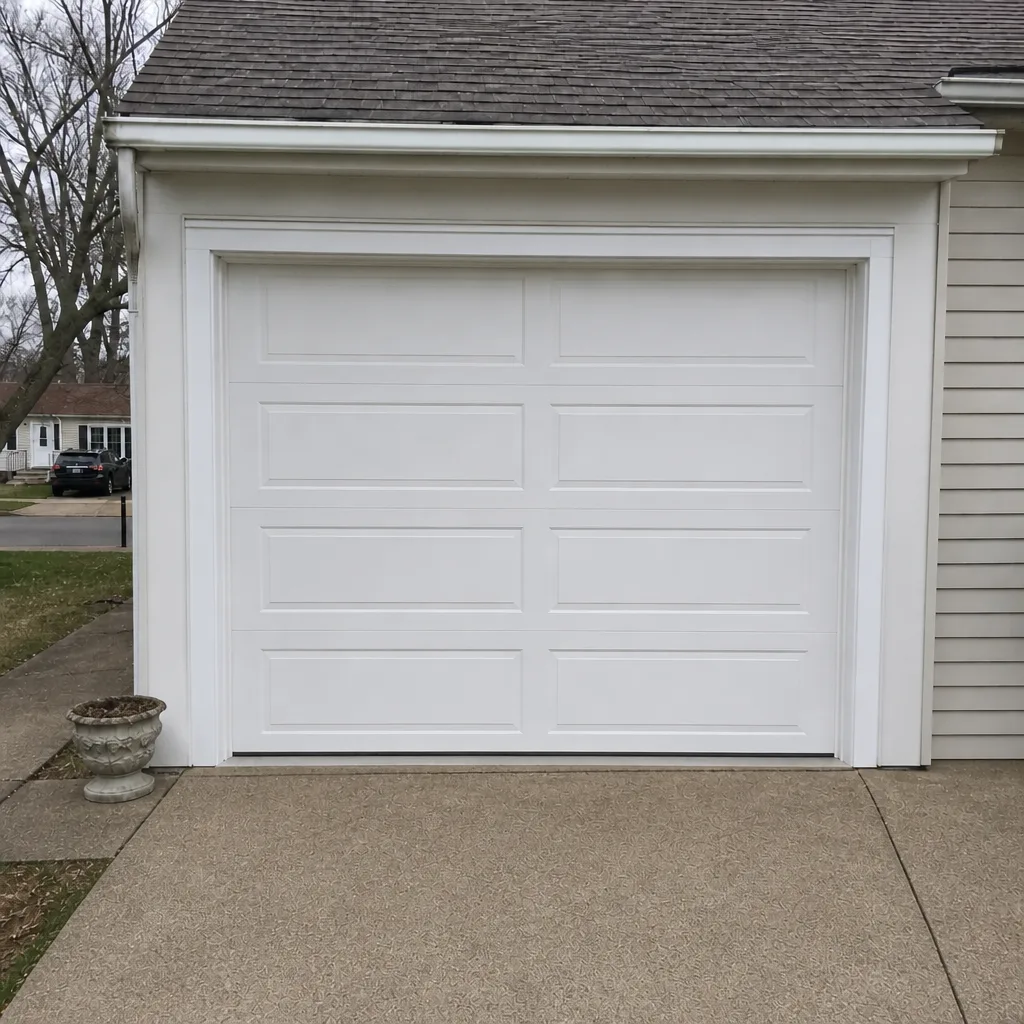 After
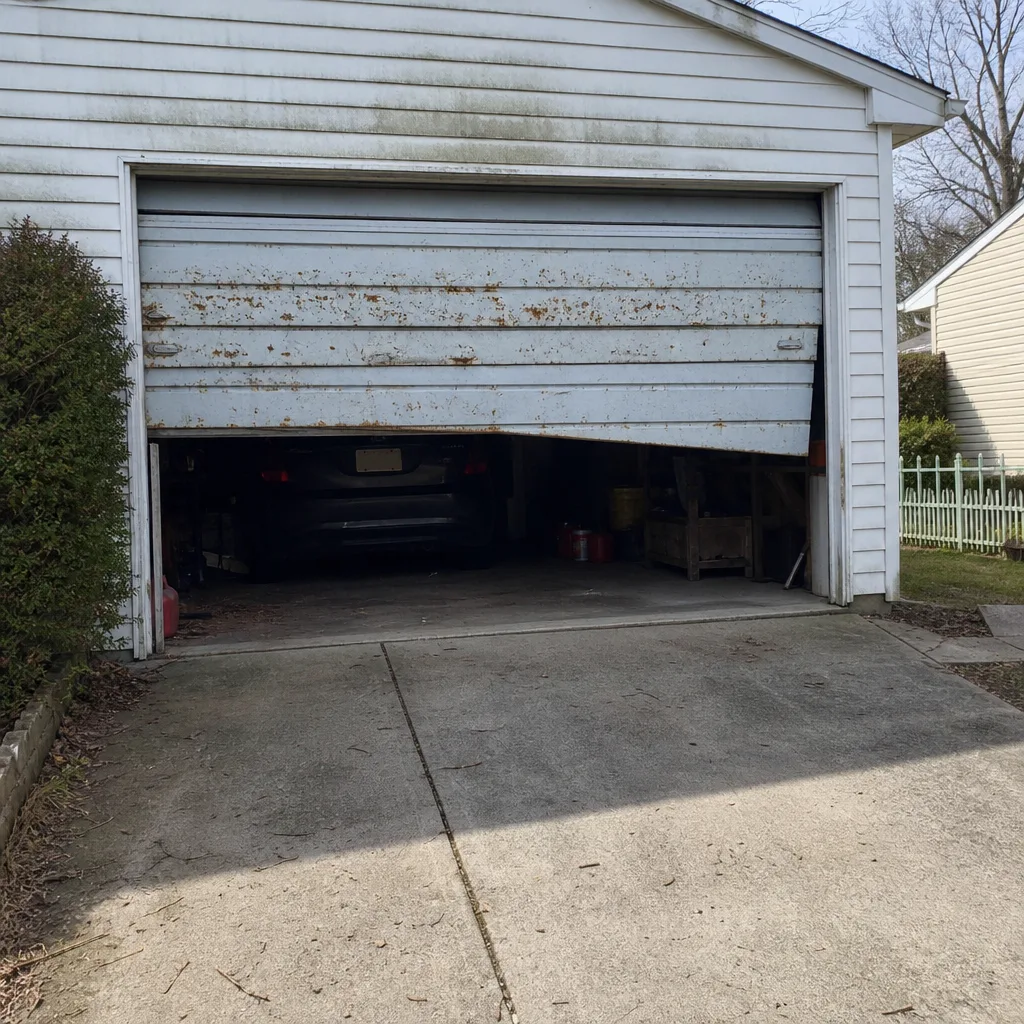 Before
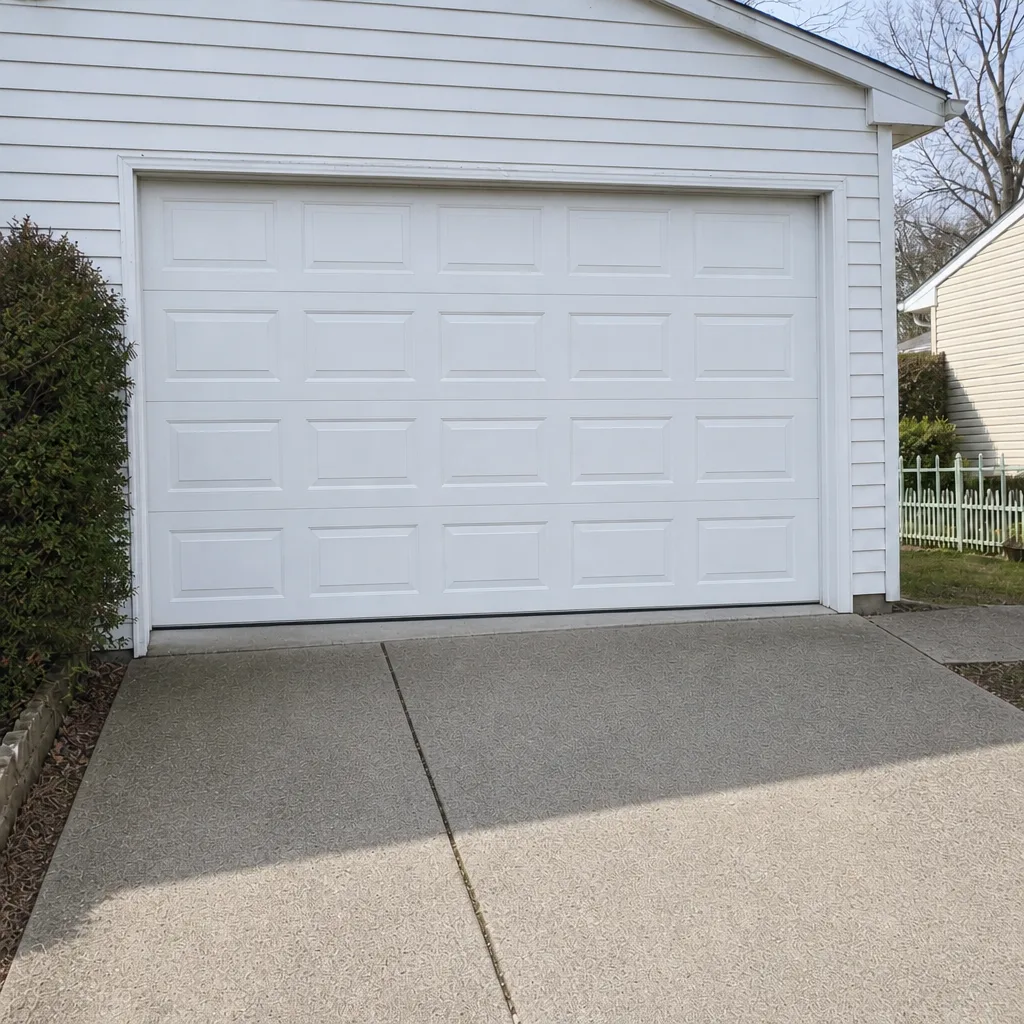 After